.jpg/1920px-Rundale_Palace_(6483271573).jpg)
.jpg/1920px-Riga_(33844464828).jpg)

.jpg/1920px-Sigulda,_Siguldas_pils%C4%93ta,_LV-2150,_Latvia_-_panoramio_(60).jpg)
.jpg/1920px-Skats_no_Vidzemes_koncertz%C4%81le_C%C4%93sis_jumta_-_panoramio_(2).jpg)


Latvia📸 Photo album · 8 photos · Ultra-HD
Art Nouveau Riga, sandy beaches and quiet forests
🕒 –:– local time4 stories this week4 sources 6 top placesCapital Riga
Hunter-gatherers moved into the lands of present-day Latvia as the ice sheets retreated over ten thousand years ago. Over time Baltic tribes such as the Curonians, Latgalians, Semigallians and Selonians, along with the Finnic Livonians on the coast, built hill forts, farmed and traded amber along routes that reached as far as the Roman world. Their pagan beliefs and thousands of short folk songs called dainas became the foundation of Latvian culture.
In the late twelfth and thirteenth centuries German crusaders conquered the region, and Riga, founded in 1201, grew into a powerful Hanseatic trading city. For centuries a Baltic German nobility owned much of the land, while control of the territory passed between the Livonian Order, Poland-Lithuania, Sweden and, by the eighteenth century, the Russian Empire. In the nineteenth century a national awakening revived the Latvian language and folklore, and the first Latvian Song Festival was held in Riga in 1873.
Latvia proclaimed independence on 18 November 1918 and defended it in a war that ended in 1920. The interwar republic flourished culturally, and Riga became famous for its Art Nouveau architecture. In 1940 the country was occupied by the Soviet Union, then by Nazi Germany, and again by the Soviets from 1944, bringing deportations and decades of repression. In 1989 Latvians joined the Baltic Way human chain, and independence was restored in 1991. Latvia joined the EU and NATO in 2004 and adopted the euro in 2014.
Today Latvia is a green, peaceful country of forests, lakes and long sandy beaches. Visitors explore Riga's medieval Old Town and remarkable Art Nouveau district, baroque palaces such as Rundāle, castle ruins in the Gauja valley and the seaside resort of Jūrmala, while Midsummer celebrations and the great Song and Dance Festival show the strength of living folk tradition.
Entry rules depend on your passport and change often.
Before you book, check the official rules for your passport:
The latest visa and entry news for Latvia appears below as soon as publishers report it.
Latvia’s Interior Ministry proposed temporarily suspending visas for Uzbek citizens, citing security concerns and a need for better screening and...
 #Latvia#Uzbekistan#Visas & Entry Rules
airBaltic employees are bracing for hundreds of job cuts across bases in Riga in Latvia, Vilnius in Lithuania…
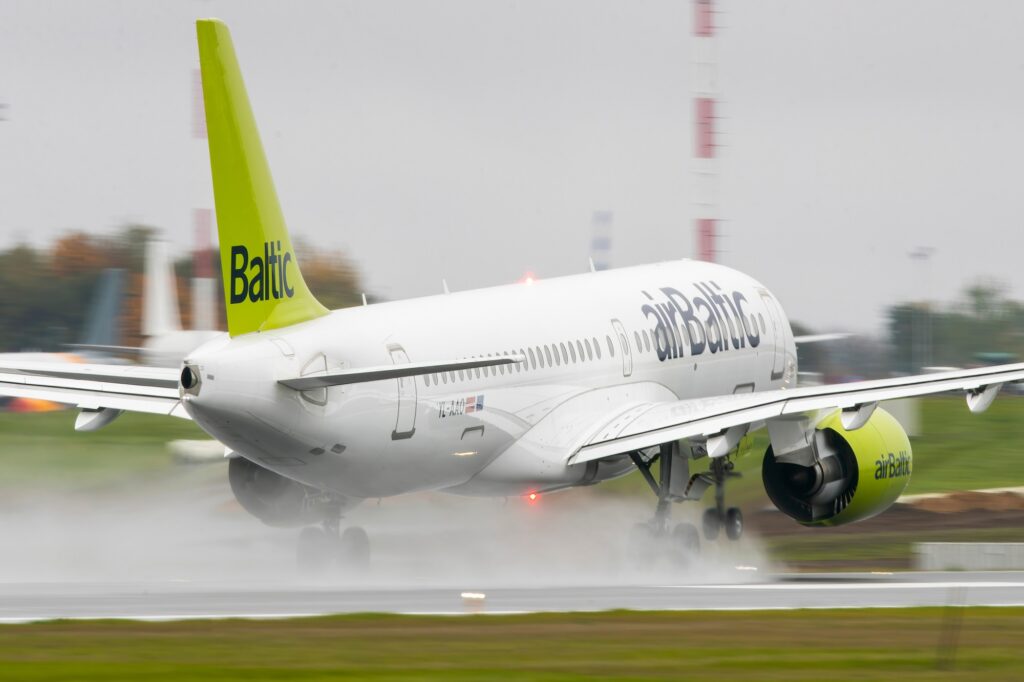 #Latvia#Lithuania#Riga#Vilnius
Latvia’s airBaltic Enters a New Business Phase With Major Organisational Changes as Up to 700 Positions Could Be Affected Latvia’s national carrier, airBaltic, is moving ahead with the implementation of its new business plan as…
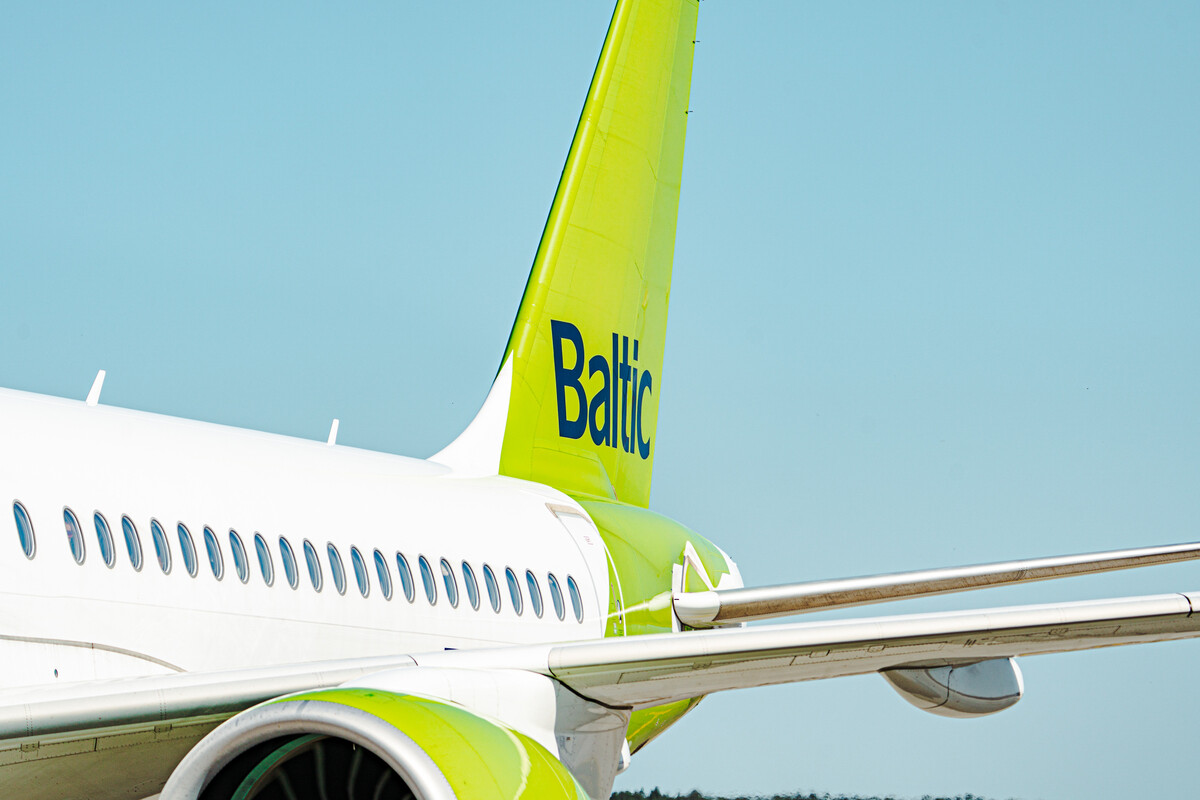 #Latvia
A US Air Force B-1B Lancer flew in a NATO air defense training mission over Lithuania and Latvia…
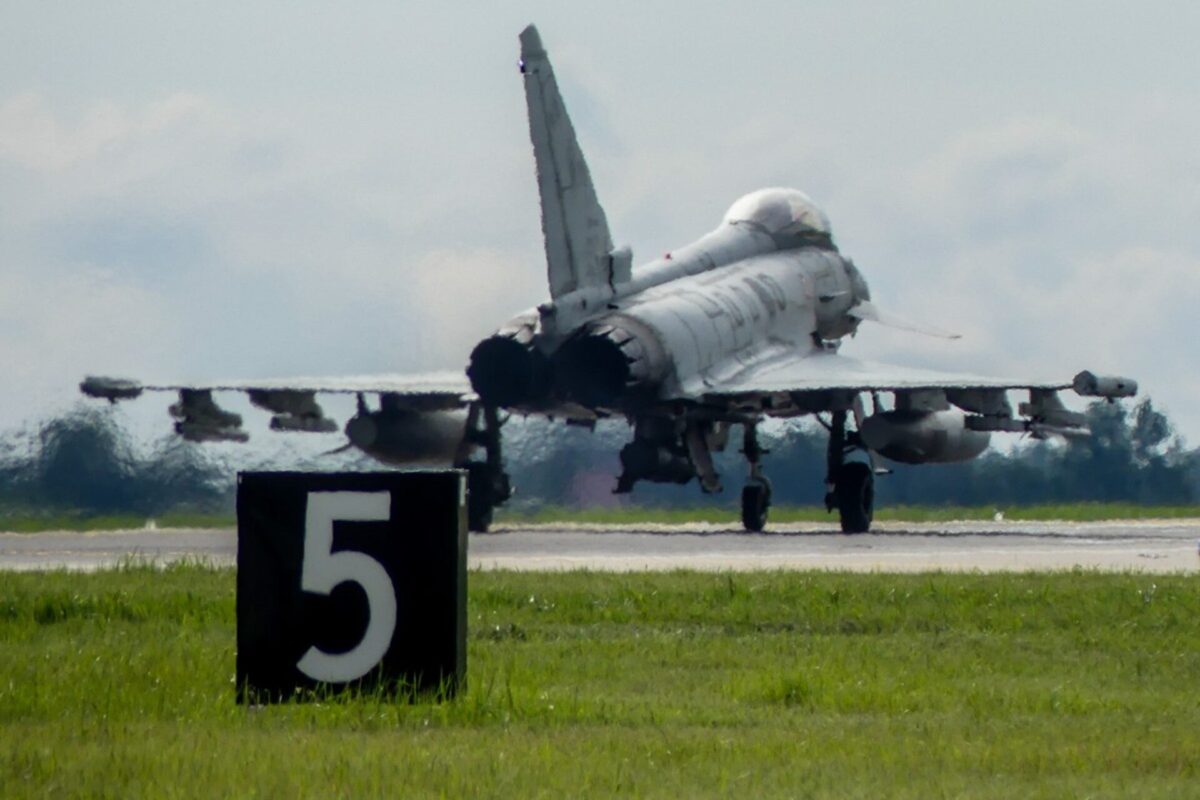 #Lithuania#Latvia#Flights & Airlines
Air Baltic, the beleaguered Latvian flag carrier that filed for Chapter 11 bankruptcy protection in the US last week, is removing sick bags from seat-back pockets as part of a slew of desperate cost-cutting measures as it seeks…
 #Latvia#United States#Flights & Airlines
Latvia has a temperate climate with warm summers and cold, often snowy winters. The coast is slightly milder, while the east around Latgale tends to be colder in winter.
Typical daytime highs and rain in Riga (approximate averages).
Day 1-2: Riga's Old Town, Art Nouveau district and Central Market. Day 3: a day trip to Sigulda and Turaida Castle in Gauja National Park. Day 4: the beach and villas of Jūrmala.
Day 1-3: Riga and Jūrmala. Day 4: Rundāle Palace. Day 5-6: Kuldīga and the Kurzeme coast up to Cape Kolka. Day 7-8: Sigulda and Cēsis in the Gauja valley. Day 9: return to Riga.
Backpacker budget: about $40–55 a day
Emergency: 112 general · 110 police · 113 ambulance
Riga International Airport is the largest airport in the Baltics; buses connect Riga with Tallinn and Vilnius, and ferries link Riga and Liepāja with Scandinavia and Germany.
✈️ Cheap flights to Latvia: airports, flight times & best time to fly →
Yes, Latvia is generally safe. Petty theft and overcharging in some bars are the main issues, so keep an eye on belongings and check prices.
June to August is best for warm weather, beaches and Midsummer. December is lovely for Christmas markets if you can handle the cold.
Three to four days covers Riga and a couple of day trips. A week or more allows you to explore the coast, palaces and national parks.
English is widely spoken in Riga and among younger people. Latvian is the official language and Russian is also common.
Latvia is in the Schengen Area, and requirements depend on your passport. Check the official Latvian government site or embassy before you travel.
Approximate daily cost per person (stay, food, local transport).
Buses and trains run from Riga to most towns. Riga has trams, trolleybuses and buses.
Nothing in this tab yet – the agents add new stories every few minutes.
🌏 You reached the start of our archive.

 EstoniaMedieval old towns, wild bogs and digital-age cool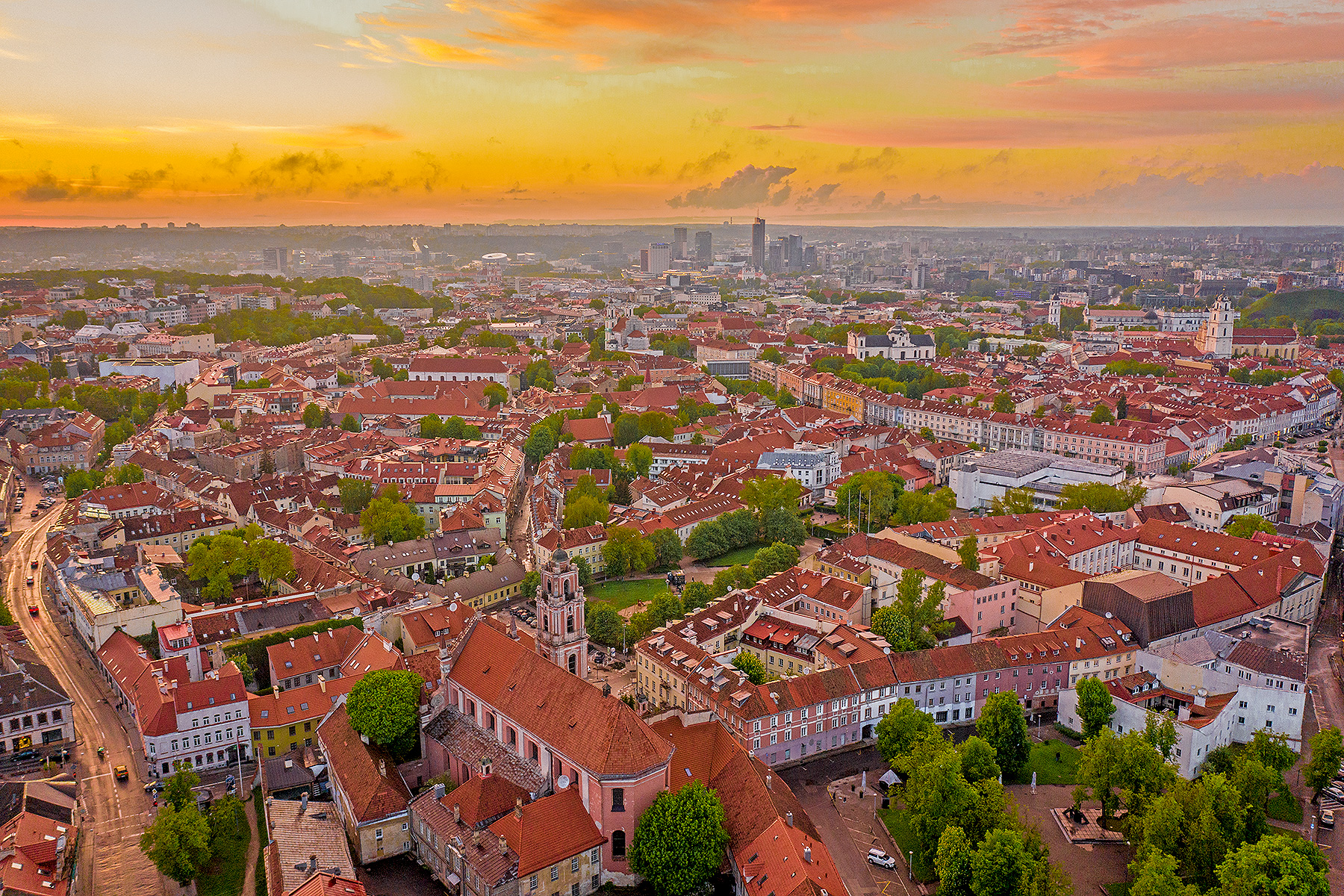
 LithuaniaBaroque Vilnius, island castles and towering sand dunes
 BelarusFairytale castles, quiet forests and Soviet boulevards
 SwedenIsland cities, Lapland's northern lights and cosy fika
.jpg)
 FinlandSaunas, northern lights and thousands of lakes
 PolandHistoric old towns, mountain trails and hearty pierogi
 DenmarkCosy cafés, bike-friendly cities and Viking history
 SlovakiaCastle ruins, alpine peaks and a compact Danube capital