Antigua and Barbuda📸 Photo album · 6 photos · Ultra-HD
Antigua and Barbuda📜 History of Antigua and Barbuda
The story of Antigua and Barbuda
Long before European sails appeared, Antigua and Barbuda were home to Indigenous peoples who crossed the Caribbean in dugout canoes. Archaic-age fishers and foragers arrived thousands of years ago, followed by Arawak-speaking farmers who brought pottery and cassava, and later Kalinago (Carib) communities. The islands were known to them as Wadadli and Wa'omoni, names that locals still use with pride today.
Christopher Columbus sighted Antigua in 1493 and named it after a church in Seville, but the lack of fresh water and fierce resistance kept early settlers away. English colonists finally established a lasting settlement in 1632, and by the late seventeenth century the island had been carved into sugar estates. Enslaved Africans were brought in great numbers to work the cane fields and windmills, and their labour and resilience shaped the islands' culture, language and music. Barbuda, leased for generations to the Codrington family, developed differently, with communal land traditions that endure.
Read the full history
Antigua's sheltered southern harbours made it the base of Britain's eighteenth-century Caribbean fleet, and a young Horatio Nelson served at the dockyard in English Harbour. Slavery was abolished in 1834, yet economic hardship persisted for decades. In the twentieth century labour unions and political leaders, most famously V. C. Bird, pushed for workers' rights and self-government. The islands became an associated state in 1967 and gained full independence on 1 November 1981, remaining a member of the Commonwealth.
Tourism has since replaced sugar as the economic engine, and the country has become a world-renowned sailing destination. For visitors, the past is close at hand: the restored Nelson's Dockyard and Shirley Heights lookout are UNESCO-listed, crumbling sugar mills dot the countryside, and Carnival celebrates emancipation with calypso, soca and steelpan. On Barbuda, the frigate bird colony and pink-sand beaches reveal a quieter, wilder side of the nation.
Timeline
c. 2400 BCArchaic-age peoples settle the islands
1493Columbus sights and names Antigua
1632English colonists establish a permanent settlement
1784Horatio Nelson serves at the English Harbour dockyard
1834Slavery is abolished across the British colonies
1967Antigua becomes an associated state with self-government
1981Antigua and Barbuda gains independence
2016Nelson's Dockyard becomes a UNESCO World Heritage Site
Antigua and Barbuda🛂 Visa & entry
Entry rules depend on your passport and change often.
CARICOM – CARICOM member – Caribbean Community citizens often have easier entry.
Commonwealth – Commonwealth member.
Before you book, check the official rules for your passport:
Two neighbors objected to the shrine and filed suit. Lawyers for the Missionaries of St. John the Baptist say federal religious liberty protections guarantee their right to construct the shrine.
Antigua and Barbuda✨ 10 best things to do in Antigua and Barbuda
Things to do in Antigua and Barbuda
Beach-hop the 365Locals claim there is a beach for every day of the year, from busy Dickenson Bay to empty coves on the east coast.
Explore Nelson's DockyardWander the restored Georgian stone warehouses and boatyards where the Royal Navy once careened its warships.
Sunday at Shirley HeightsWatch the sun sink over English Harbour while a steel band and reggae DJs fire up the hilltop party.
Swim with stingraysWade into the shallow sandbar of Stingray City and let gentle southern rays glide around your legs.
Day trip to BarbudaHop across by ferry or small plane to walk miles of blush-pink sand with hardly another soul in sight.
Visit the frigate bird colonyTake a boat through Codrington Lagoon to one of the largest magnificent frigatebird colonies in the region.
Sail or snorkel Cades ReefJoin a catamaran along the south coast to snorkel a long barrier reef full of parrotfish and sea fans.
Hike to Devil's BridgeSee Atlantic breakers explode through a natural limestone arch on the island's wild eastern tip.
Browse St John's marketsShop for local hot sauces, fresh fruit and crafts around the Saturday market and the colourful Heritage Quay.
Eat fungee and pepperpotTry the national dish, a cornmeal mash served with a rich vegetable-and-meat stew, at a local cookshop.
Antigua and Barbuda🗺️ Where to visit in Antigua and Barbuda
Where to go in Antigua and Barbuda
📍
English HarbourSouth coast · history & sailingHome to Nelson's Dockyard, superyachts and lively bars, it is the heart of Antigua's sailing scene.
Shirley HeightsSouth coast · viewpointAn old military lookout with a postcard view over English and Falmouth harbours.
📍
St John'sCapital · cultureThe colourful capital has a twin-towered cathedral, a small national museum and busy waterfront markets.
Dickenson BayNorthwest coast · beachesA long, calm stretch of white sand lined with beach bars and watersports.
Half Moon BayEast coast · beachesA sweeping crescent of pale sand with clear water protected by an offshore reef.
BarbudaSister island · wildlife & beachesFlat, quiet and wild, with pink-sand beaches, caves and the famous frigate bird sanctuary.
📍
Fig Tree DriveSouthwest interior · rainforestA winding road through the island's greenest hills, past banana groves and fruit stalls.
📍
Devil's BridgeEast coast · natural landmarkA dramatic sea arch where Atlantic waves blast through blowholes in the rock.
Antigua and Barbuda✨ Must-do experiences
Watch the sunset at the Sunday party on Shirley Heights
Sail or watch the races during Antigua Sailing Week
Snorkel with stingrays at Stingray City Antigua
Take a day trip to Barbuda's long pink beaches
Antigua and Barbuda🍽️ Taste of Antigua and Barbuda
Fungie and pepperpot – cornmeal with a rich vegetable and meat stew, the national dish
Ducana – sweet potato and coconut dumpling, often with saltfish
Antigua black pineapple – a famously sweet local pineapple
Conch water – a hearty conch soup
Antigua and Barbuda🌦️ Weather & best time to visit Antigua and Barbuda
Best time to visit Antigua and Barbuda
Antigua and Barbuda are among the drier islands of the eastern Caribbean, warm all year with highs around 28-31°C. Both islands are low-lying and breezy, with the southwest hills of Antigua catching a little more rain.
BestDecember to April – dry, sunny weather, cooling trade winds and the big sailing events.
ShoulderMay to June and November – fewer crowds and good deals, with only occasional showers.
AvoidAugust to October – peak hurricane season, hotter and more humid, with some places closing.
28°💧Jan
28°☀️Feb
28°☀️Mar
29°☀️Apr
30°💧May
30°💧Jun
31°💧Jul
31°💧Aug
31°💧💧Sep
30°💧💧Oct
29°💧💧Nov
28°💧Dec
Typical daytime highs and rain in St John's (approximate averages).
Antigua and Barbuda🎉 Festivals & events in Antigua and Barbuda
Late April–May
Antigua Sailing WeekOne of the Caribbean's top regattas, with racing by day and parties around English Harbour by night.
Late July–early August
Antigua CarnivalA ten-day celebration of emancipation with calypso contests, steelpan, costumed parades and the J'ouvert street party.
1 November
Independence DayParades, national dress and cultural events mark the anniversary of independence in 1981.
Whitsun weekend, May/June
Caribana (Barbuda)Barbuda's own festival of music, horse racing and community celebration.
December
Antigua Charter Yacht ShowLuxury yachts gather in Falmouth and English Harbour to open the winter sailing season.
Antigua and Barbuda🧭 Antigua and Barbuda itinerary ideas
How many days in Antigua and Barbuda?
5 daysBeaches and harbours
Day 1-2: settle in near Dickenson Bay, explore St John's and its markets. Day 3: spend the day at English Harbour and Nelson's Dockyard, ending at Shirley Heights for sunset. Day 4-5: snorkel Cades Reef on a catamaran and visit Half Moon Bay and Devil's Bridge.
10 daysAntigua and Barbuda in depth
Day 1-4: base yourself in the northwest for beaches, St John's and a stingray trip. Day 5-7: move to English Harbour for history, hiking trails and Fig Tree Drive. Day 8-10: cross to Barbuda for pink-sand beaches, the frigate bird colony and the island's caves.
Antigua and Barbuda🎒 Backpacking Antigua and Barbuda – tips & hacks
Backpacker budget: about $90–130 a day
Local minibuses (with H or A on the number plate) leave from the two bus stations in St John's and are by far the cheapest way to get around, but they thin out in the evening and on Sundays.
Antigua has few true hostels, so look for guesthouses, apartment rentals or rooms in villages such as English Harbour, Falmouth or around St John's.
Eat where locals eat: roadside cookshops, Friday-night street barbecues and the market area serve filling plates of rice, stew and fish for far less than resort restaurants.
Every beach in Antigua is legally public, so you can enjoy resort-front sand without staying at the resort.
Buy groceries and drinks from supermarkets to cut costs, and travel outside the December to April peak for noticeably cheaper rooms.
Antigua and Barbuda🛡️ Safety & money in Antigua and Barbuda
Stay safe
Antigua is generally safe for visitors; use normal precautions in St John's after dark and avoid walking alone on isolated beaches at night.
Do not leave valuables unattended on the beach or in hire cars.
Driving is on the left and roads can be narrow and potholed, so take it slowly, especially at night.
Check the forecast during hurricane season (June to November) and follow official advice if a storm approaches.
Money
The currency is the Eastern Caribbean dollar (XCD), pegged to the US dollar, and US dollars are widely accepted though change is often given in local currency.
Credit cards work in hotels, larger restaurants and shops, while ATMs are found in St John's, English Harbour and at the airport; carry cash for buses and small cookshops.
Many restaurants add a service charge to the bill; if not, a tip of around 10-15% is appreciated.
Emergency: 911 or 999 police, fire & ambulance
Antigua and Barbuda🛬 Getting to Antigua and Barbuda
V. C. Bird International Airport near St John's receives direct flights from North America, the UK and other Caribbean islands. Barbuda is reached by a daily ferry or short flights from Antigua, and inter-island ferries and cruise ships also call at St John's.
Antigua and Barbuda💡 Did you know? 5 facts about Antigua and Barbuda
Antigua is often said to have 365 beaches, one for every day of the year.
Nelson's Dockyard is the only continuously working Georgian dockyard in the world.
Barbuda's Codrington Lagoon hosts one of the largest frigatebird breeding colonies in the Caribbean.
Barbuda's pink sand gets its colour from crushed shells and tiny red marine organisms.
The country also includes the uninhabited island of Redonda, a rocky outcrop with a quirky literary 'kingdom' legend.
Antigua and Barbuda❓ Antigua and Barbuda travel FAQ
Antigua and Barbuda travel questions
Is Antigua and Barbuda safe for tourists?
Yes, it is generally considered safe and welcoming. Petty theft can happen, so keep an eye on your belongings and take usual precautions at night.
When is the best time to visit Antigua?
December to April offers the driest, sunniest weather and the major sailing events. May, June and November are quieter and cheaper, while August to October is peak hurricane season.
How many days do you need in Antigua and Barbuda?
Five days covers the best beaches, English Harbour and a snorkelling trip. With a week or more you can add a relaxed stay on Barbuda.
Do I need a visa for Antigua and Barbuda?
It depends on your passport – check the official government site or your nearest embassy before you travel.
How do you get around Antigua?
Local minibuses are cheap but follow fixed routes and stop early in the evening. Taxis have set fares, and many visitors hire a car for flexibility – remember to drive on the left.
Antigua and Barbuda💰 What a trip costs
$$$price level
$90–130backpacker / day
$200–350mid-range / day
Approximate daily cost per person (stay, food, local transport).
Antigua and Barbuda🚌 Getting around
Taxis with fixed fares and rental cars are the easiest options, and local minibuses run on main routes. Barbuda is reached by ferry or small plane.
Antigua and Barbuda🛕 Sacred & spiritual places
St. John's Cathedral – Hilltop Anglican cathedral with white twin towers
Antigua and Barbuda🤝 Local etiquette
Do not wear camouflage clothing – it is reserved for the military
Wear swimwear only on the beach
Greet people politely before starting a conversation
Nothing in this tab yet – the agents add new stories every few minutes.
📰 Older Antigua and Barbuda stories Everything our agents ever found – keeps loading as you scroll


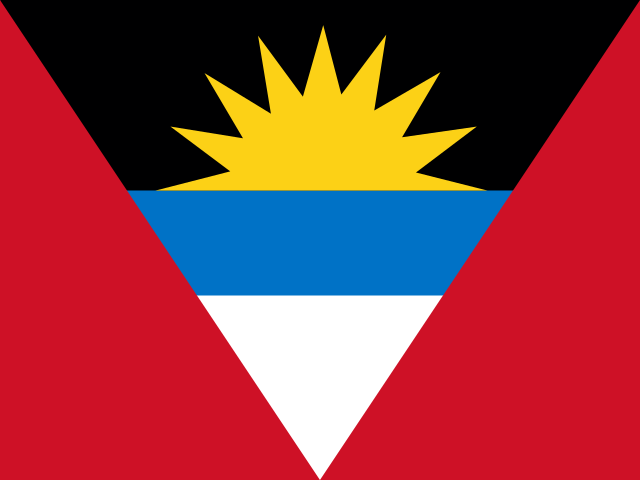
 #Antigua and Barbuda#Pilgrimage & Spiritual

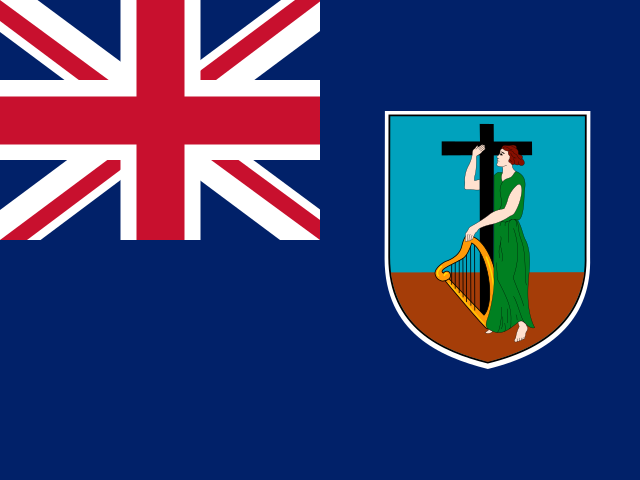 MontserratEmerald Isle of the Caribbean, shaped by a living volcano
 GuadeloupeFrench Caribbean butterfly island of volcanoes and beaches
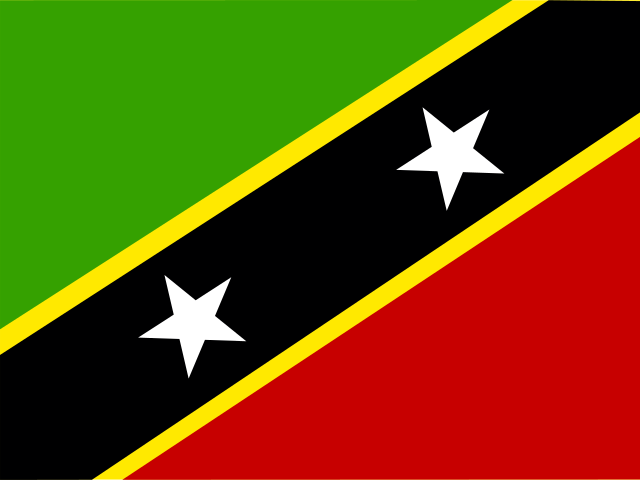 Saint Kitts and NevisTwin islands of fortresses, volcano peaks and calm beaches
,_St_Maarten,_Oct_2014_(15709089025).jpg/500px-Mullet_Bay_(after_Gonzalo),_St_Maarten,_Oct_2014_(15709089025).jpg)
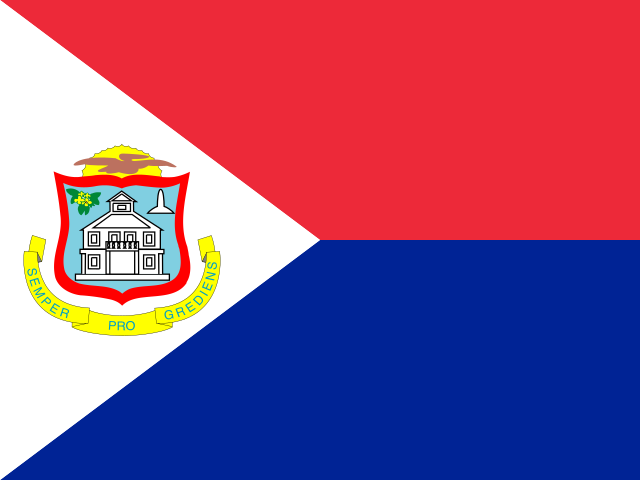 Sint MaartenPlanes over the beach, duty-free shops and island nightlife
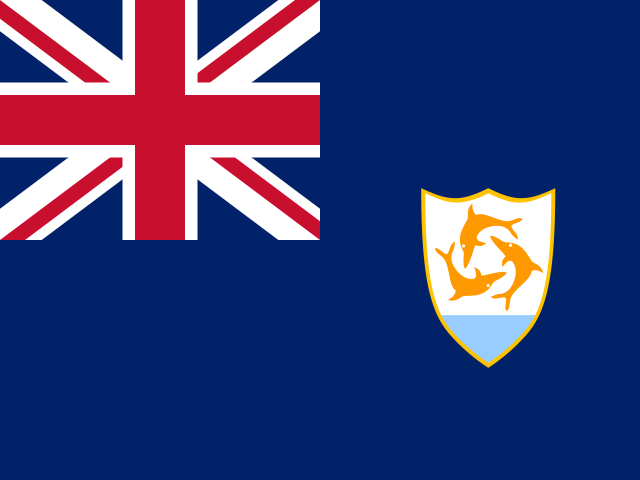 AnguillaQuiet luxury and powder-white Caribbean beaches
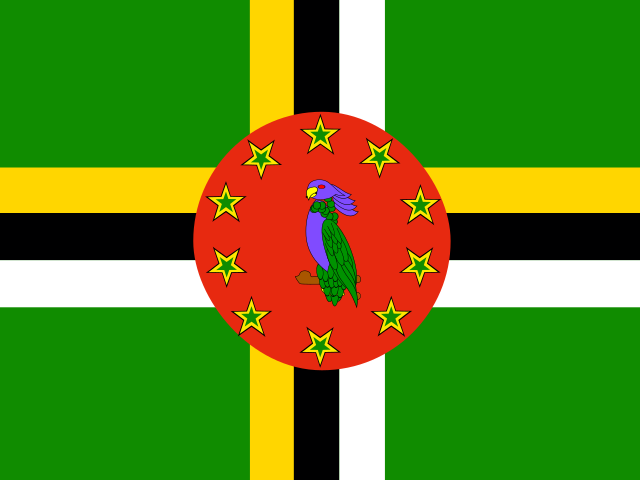 DominicaThe Caribbean's wild nature island of waterfalls and hot springs
 MartiniqueFrench Caribbean island of flowers, rum and volcanoes
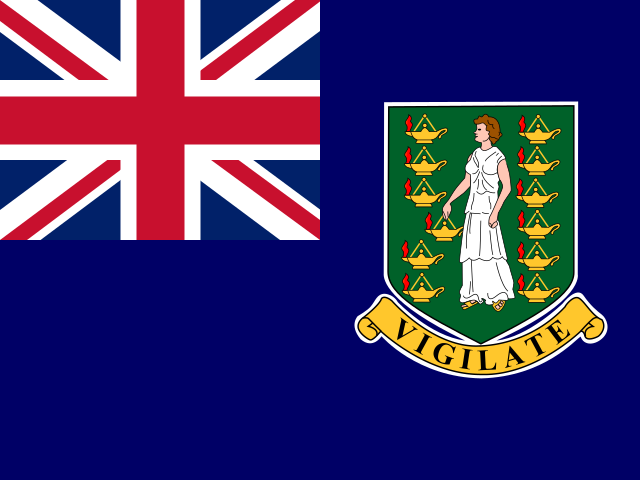 British Virgin IslandsSailing paradise of calm bays and island-hopping