The lands of modern Benin were home to many peoples – Fon, Yoruba, Aja, Bariba and others – who built farming villages, trading towns and small kingdoms long before Europeans arrived. In the north, the Bariba kingdom of Nikki rose as a cavalry power, while in the south the Aja-Fon peoples developed the spiritual traditions of Vodun that still shape daily life here.
From the early seventeenth century the Kingdom of Dahomey grew from its capital at Abomey into one of West Africa's most formidable states. Its kings built palaces decorated with bas-reliefs that told their history, and maintained a famous corps of women soldiers. Dahomey also became deeply entangled in the Atlantic slave trade through the port of Ouidah, from where vast numbers of people were shipped to the Americas – a legacy remembered today along Ouidah's Route of Slaves.
Read the full history
France conquered Dahomey in the 1890s after resistance led by King Béhanzin, and the territory became part of French West Africa. Independence came on 1 August 1960 as the Republic of Dahomey. Years of political instability were followed in 1972 by military rule under Mathieu Kérékou, and the country was renamed the People's Republic of Benin in 1975. A landmark National Conference in 1990 opened the way to multiparty democracy, making Benin an early example of peaceful democratic transition in Africa.
Today Benin is a small, friendly country where history feels close to the surface. Visitors can explore the royal palaces of Abomey, walk the Door of No Return at Ouidah, glide past the stilt village of Ganvié, see elephants and lions in Pendjari National Park, and witness Vodun ceremonies – a living faith that travelled with enslaved Africans to Haiti, Brazil and beyond.
Timeline
c. 1600sKingdom of Dahomey founded around Abomey
1727Dahomey conquers the coastal port of Ouidah
1892-1894French conquest; King Béhanzin resists before surrendering
1904Dahomey becomes part of French West Africa
1960Independence on 1 August as the Republic of Dahomey
1975Country renamed the People's Republic of Benin
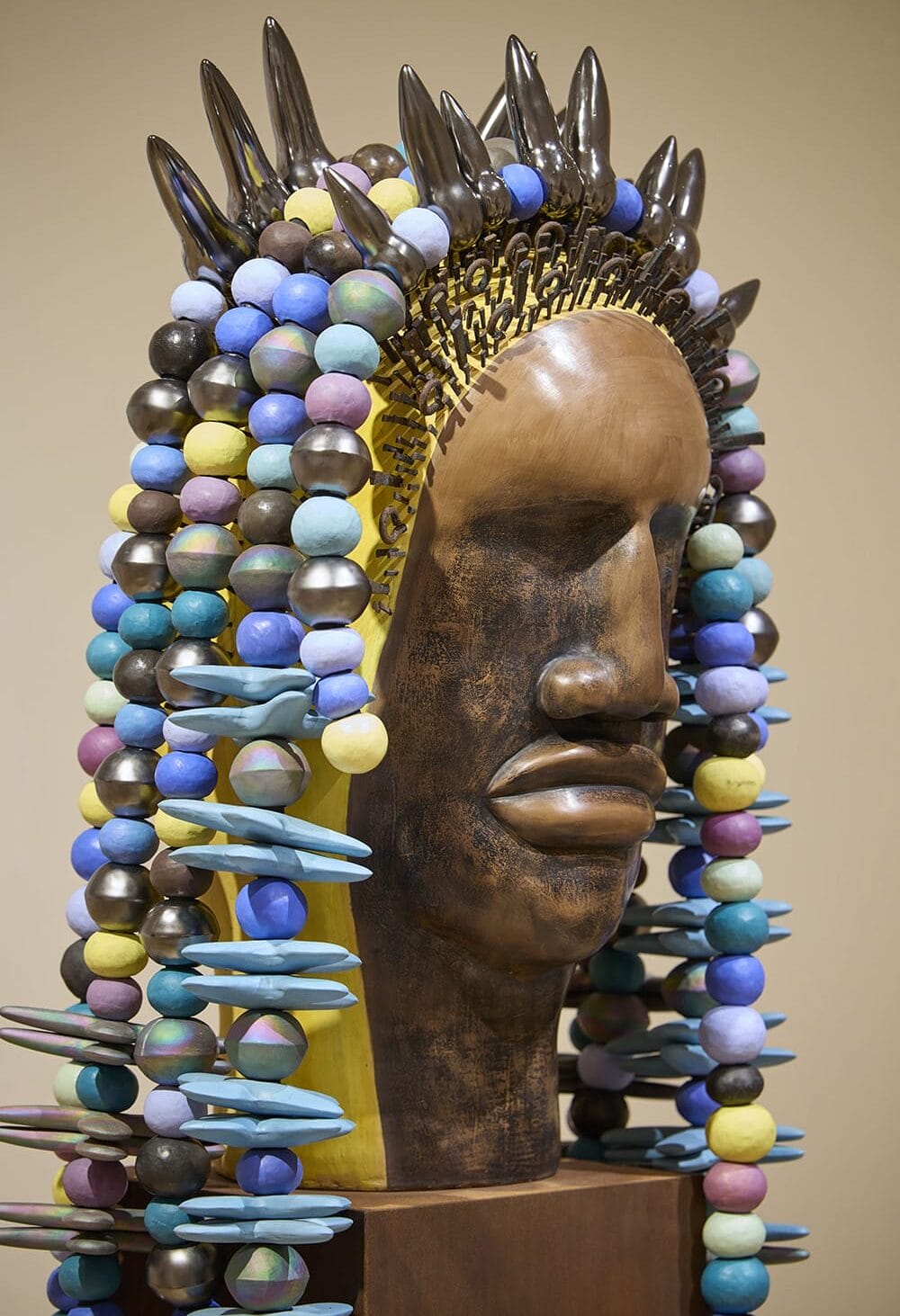
Calm yet imposing figures evoke the Benin Bronzes, ceremonial masking traditions, and the Moai stones of Easter Island. Do stories and artists like this matter to you? Become a Colossal Member today and support independent arts…
Visit the Royal Palaces of AbomeyWalk through the UNESCO-listed palace complex of Dahomey's kings and study the story-telling bas-reliefs.
Walk the Route of Slaves in OuidahFollow the moving path from the old slave auction square to the Door of No Return on the beach.
Boat to GanviéGlide by pirogue across Lake Nokoué to a town built entirely on stilts, with floating markets.
See wildlife in PendjariSearch for elephants, lions, hippos and antelope in one of West Africa's best-protected savanna parks.
Experience VodunAttend a ceremony or visit the Python Temple in Ouidah to learn about Benin's indigenous religion.
Browse Dantokpa MarketPlunge into Cotonou's enormous market, where you can find everything from fabrics to fetish items.
Stay in a Tata SombaVisit the fortress-like clay tower houses of the Atacora region near Natitingou.
Relax in Grand-PopoUnwind on palm-fringed beaches and take a boat trip through the nearby Mono river mangroves.
Explore Porto-NovoDiscover the capital's Afro-Brazilian architecture, Great Mosque and museums of ethnography and royal history.
Watch an Egungun masqueradeSee costumed dancers representing ancestral spirits whirl through the streets during Yoruba ceremonies.
Benin🗺️ Where to visit in Benin
Where to go in Benin
CotonouCoast · economic capitalBenin's busiest city, with a huge market, lively nightlife and the Amazon statue overlooking the sea.
OuidahCoast · history & VodunThe spiritual heart of Vodun and the most important site for remembering the Atlantic slave trade.
AbomeyCentral south · royal heritageFormer capital of the Kingdom of Dahomey, home to its historic royal palaces.
GanviéLake Nokoué · stilt villageA remarkable lake town of wooden houses, schools and markets built on stilts above the water.
Porto-NovoSoutheast · official capitalA relaxed, historic capital with colonial and Afro-Brazilian buildings and good museums.
Pendjari National ParkFar north · savanna wildlifeA UNESCO-listed reserve with some of the region's best remaining populations of big mammals.
📍
Natitingou & the AtacoraNorthwest · mountains & cultureRolling hills, waterfalls and traditional Somba tower houses.
📍
Grand-PopoSouthwest coast · beachesA quiet beach town near the Togo border with lagoons, mangroves and fishing villages.
Benin✨ Must-do experiences
Take a pirogue to the stilt village of Ganvié
Attend the Vodun festival in Ouidah on 10 January
Tour the royal palaces of Abomey
Go on safari in Pendjari National Park
Benin🍽️ Taste of Benin
Amiwo – red cornmeal cooked with tomato and spices
Akassa – fermented corn dough served with sauce
Wagasi – soft local cheese, often fried
Pâte with sauce – maize dough with spicy fish or meat sauce
Benin🌦️ Weather & best time to visit Benin
Best time to visit Benin
The south is hot and humid year-round with two rainy seasons, while the north has a single wet season from about June to September and a dry, dusty harmattan in winter. Temperatures inland can be hotter, especially before the rains.
BestNovember-February – the dry season brings sunny skies, easier roads and the best wildlife viewing in Pendjari.
ShoulderMarch and July-August – hot in March; the south has a short drier spell in midsummer, though the north is rainy.
AvoidApril-June and September-October in the south – heavy rains can make rural roads difficult.
31°☀️Jan
32°💧Feb
32°💧Mar
32°💧💧Apr
31°💧💧💧May
29°💧💧💧Jun
28°💧Jul
28°💧Aug
28°💧💧Sep
30°💧💧Oct
31°💧Nov
31°☀️Dec
Typical daytime highs and rain in Cotonou (approximate averages).
Benin🎉 Festivals & events in Benin
10 January
Fête du Vodoun (Vodun Day)A national celebration of Vodun with ceremonies, drumming and dancing, centred on the beach at Ouidah.
Varies (around Mawlid)
Gaani FestivalThe Bariba people of Nikki celebrate with horsemen, drums and royal ceremonies.
1 August
Independence DayParades and celebrations mark Benin's independence from France.
Various, often in the dry season
Egungun ceremoniesYoruba masquerades honour ancestors with colourful costumed dancers in towns such as Porto-Novo.
Benin🧭 Benin itinerary ideas
How many days in Benin?
5 daysSouthern Benin highlights
Day 1 explore Cotonou and Dantokpa market. Day 2 take a boat to Ganvié, then continue to Porto-Novo. Day 3-4 Ouidah for the Route of Slaves and Python Temple, with a beach afternoon in Grand-Popo. Day 5 day trip to Abomey's palaces.
10 daysFrom the coast to Pendjari
Day 1-4 cover Cotonou, Ganvié, Porto-Novo and Ouidah. Day 5 visit Abomey, then travel north via Dassa. Day 6-7 explore Natitingou and the Somba country, and finish Day 8-10 on safari in Pendjari National Park.
Benin🎒 Backpacking Benin – tips & hacks
Backpacker budget: about $30–50 a day
Zémidjans (motorbike taxis) are the cheapest way to get around cities – agree on the fare before you hop on.
Shared taxis and buses link the main towns; leave early in the morning for long journeys north.
Eat at street stalls and maquis for cheap local dishes like pâte with sauce, grilled fish and akassa.
Ouidah and Grand-Popo have relaxed guesthouses that are good bases for budget travellers.
Learn some French – it is the official language and essential outside tourist spots.
Benin🛡️ Safety & money in Benin
Stay safe
The south is generally calm, but check your government's latest advice, as some northern border areas near parks are advised against.
Visits to Pendjari and the far north should be arranged through official channels and follow current guidance.
Swimming on the Atlantic coast can be dangerous due to strong currents – take local advice.
Take precautions against malaria and use repellent, especially in the rainy season.
Money
The currency is the West African CFA franc; euros are the easiest currency to exchange.
ATMs are found in Cotonou and larger towns, but carry cash for rural areas and markets.
Tipping is not expected but is appreciated for guides, drivers and good restaurant service.
Emergency: 117 police · 118 fire
Benin🛬 Getting to Benin
Cotonou Cadjehoun Airport is the main international gateway. Overland, Benin is linked by road to Togo, Nigeria, Niger and Burkina Faso, with the coastal route from Lomé the most used by travellers.
Vodun is officially recognised and celebrated with its own national holiday.
The women warriors of Dahomey inspired many books and films and were among history's few all-female army units.
Porto-Novo is the official capital, while Cotonou is the seat of government and largest city.
Ganvié is often called the 'Venice of Africa' and is one of the largest lake villages on the continent.
Benin's 1990 National Conference became a model for peaceful democratic change across French-speaking Africa.
Benin❓ Benin travel FAQ
Benin travel questions
Is Benin safe for tourists?
Southern Benin, including Cotonou, Ouidah and Abomey, is generally considered calm and welcoming. Some northern border areas have security concerns, so check your government's latest travel advice before travelling north.
What is the best time to visit Benin?
November to February, during the dry season, is ideal for travel and wildlife viewing. Plan around 10 January if you want to see the Vodun festivities.
Do I need a visa for Benin?
It depends on your passport – some visitors can enter freely while others must apply in advance. Check the official government site or embassy before you travel.
What language is spoken in Benin?
French is the official language, and Fon, Yoruba and many other local languages are widely spoken. English is limited outside some tourist businesses.
How many days do I need in Benin?
Five days is enough for the southern highlights like Ganvié, Ouidah and Abomey. Allow around ten days to add the north and a safari in Pendjari.
Benin💰 What a trip costs
$$price level
$30–50backpacker / day
$70–130mid-range / day
Approximate daily cost per person (stay, food, local transport).
Benin🚌 Getting around
Shared taxis and buses link the main towns, and motorbike taxis called zémidjans are common in cities. A hired car with a driver is easiest for the north.
Benin🛕 Sacred & spiritual places
Temple of Pythons – Vodun temple in Ouidah where sacred pythons are kept
Kpassè Sacred Forest – Sacred grove in Ouidah filled with Vodun sculptures
Arigbo Marian Grotto – Catholic pilgrimage site at Dassa-Zoumé
Benin🤝 Local etiquette
Greet people before starting a conversation
Ask permission before photographing ceremonies or shrines
Use your right hand to give and receive
Nothing in this tab yet – the agents add new stories every few minutes.
📰 Older Benin stories Everything our agents ever found – keeps loading as you scroll
_(2).jpg/1920px-Ganvi%C3%A9_fishing_village_on_stilts_in_Benin_(10282059623)_(2).jpg)


.jpg/1920px-Rue_d'Abomey_(1).jpg)


 #Benin#Chile#Inspiring & Scenic

 TogoPalm beaches, green hills and colourful markets
 GhanaCastles, rainforest canopy walks and vibrant Accra
 Burkina FasoPainted villages, rock peaks and Africa's biggest film festival
 NigeriaBig-city energy, Afrobeats and lush highlands
 Côte d'IvoireA giant basilica, lagoon city life and palm-fringed beaches
 NigerSahara mountains, Tuareg culture and desert cities
 Sao Tome and PrincipeChocolate islands on the equator, wild and green
 Cameroon'Africa in miniature' – volcano, rainforest, beaches and kingdoms