


Northern Mariana Islands📸 Photo album · 4 photos · Ultra-HD
Warm lagoons, WWII history and island beaches near Guam
🕒 –:– local time3 stories this week3 sources 6 top placesCapital Saipan
The Northern Mariana Islands, a chain of volcanic and limestone islands in the western Pacific, were settled around 3,500 years ago by seafaring ancestors of the Chamorro people, among the earliest long-distance ocean voyages in the remote Pacific. Over centuries the Chamorro developed a complex society, raising distinctive stone pillars called latte to support their buildings; the giant latte at the House of Taga on Tinian are among the largest ever made.
Ferdinand Magellan's expedition reached the Marianas in 1521, and Spain claimed the islands, naming them after Queen Mariana of Austria. From 1668 missionaries and soldiers established Spanish rule, and much of the Chamorro population of the northern islands was moved to Guam. In the 19th century Carolinian islanders from the south settled on Saipan, adding another strand to the islands' culture. After the Spanish-American War, Spain sold the Northern Marianas to Germany in 1899.
Japan took control in 1914 and later governed the islands under a League of Nations mandate, developing large sugar plantations and towns settled by Japanese and Okinawan migrants. During the Second World War, Saipan and Tinian saw fierce battles in 1944, and Tinian's airfields became the base from which the atomic bomb missions against Japan were launched in 1945. After the war, the islands were administered by the United States as part of a UN Trust Territory.
In the 1970s residents voted to form a Commonwealth in political union with the United States, and the Commonwealth was established in 1978, with residents later becoming US citizens. Today tourism is central to the economy. Visitors come for warm turquoise lagoons, world-class diving at the Grotto, wartime memorials and relics, latte sites and the living Chamorro and Carolinian cultures that give the islands their character.
Entry rules depend on your passport and change often.
Before you book, check the official rules for your passport:
The latest visa and entry news for Northern Mariana Islands appears below as soon as publishers report it.
Travel Disruption Warning: Cataclysmic Super Typhoon Choi-Wan Fiercely Ravages Northern Mariana Islands, Guam And Other Countries Here’s the Latest Wind Speed Data Travellers Need To Know Super Typhoon Choi-Wan travel disruption…
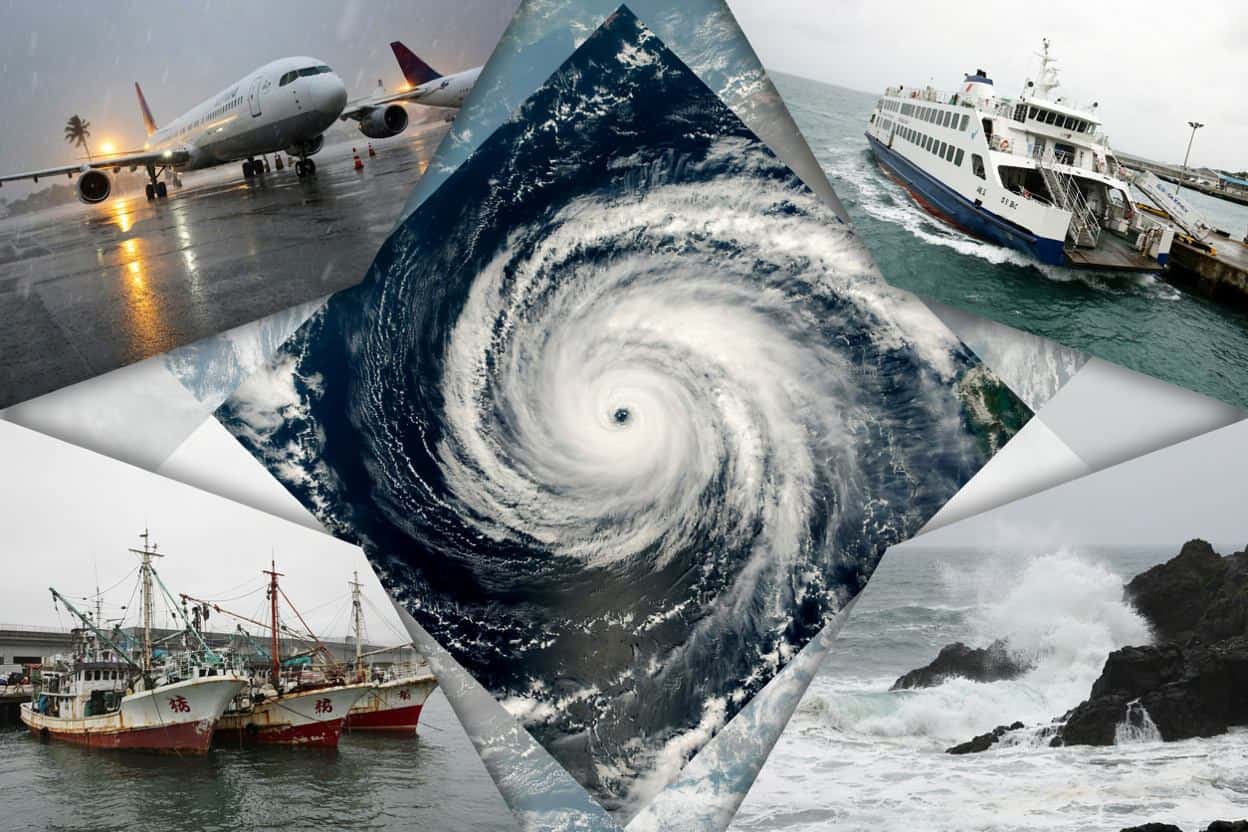 #Northern Mariana Islands#Guam#Typhoons#Islands
Philippine Airlines (PAL) announced it will restore nonstop flights between Ninoy Aquino International Airport (MNL) in Manila and…
 #Philippines#Northern Mariana Islands#Manila#Saipan
From 30/09/2026 to 04/10/2026, a Hurricane/Typhoon > 74 mph (maximum wind speed of 250 km/h) CHOI-WAN-26 was active in NWPacific. The cyclone affects these countries: Guam, Northern Mariana Islands, Russian Federation, United…
 #Guam#Northern Mariana Islands#Hurricanes#Typhoons
The islands have a hot, humid tropical marine climate with little temperature change through the year. A dry season from December to June is followed by a rainy season when typhoons are possible.
Typical daytime highs and rain in Saipan (approximate averages).
Day 1 explore Garapan and the American Memorial Park. Day 2 day-trip to Managaha. Day 3 tour the north: the Grotto, Bird Island and wartime cliffs. Day 4 relax on Micro Beach.
Days 1-4 Saipan's beaches, diving and history. Days 5-6 hop to Tinian for the House of Taga and North Field. Days 7-8 fly to Rota for the Swimming Hole, caves and quiet trails.
Backpacker budget: about $80–120 a day
Emergency: 911
Saipan International Airport is the main gateway, with flights via Guam and from parts of East Asia; small commuter flights and occasional boats link Saipan with Tinian and Rota.
✈️ Cheap flights to Northern Mariana Islands: airports, flight times & best time to fly →
Yes, the islands are generally safe with low crime against visitors. The main risks are ocean currents and typhoons in the wet season.
December to June offers the driest, sunniest weather. August to October is wetter and has the highest typhoon risk.
Three to four days covers Saipan's highlights. A week lets you add Tinian and Rota.
As a US territory, entry rules depend on your passport and on US and local programmes that can change. Check the official government site or embassy before you travel.
English is widely spoken alongside Chamorro and Carolinian. Getting around is easiest by rental car.
Approximate daily cost per person (stay, food, local transport).
Rent a car on Saipan; taxis and hotel shuttles also run. Small planes and ferries connect Saipan with Tinian and Rota.
Nothing in this tab yet – the agents add new stories every few minutes.
🌏 You reached the start of our archive.

 GuamChamorro culture, warm lagoons and Pacific sunsets
.jpg/500px-Pacific_Partnership_2024-2_Band_Performs_at_Gilman_Elementary_School_in_Yap,_Federated_States_of_Micronesia_(8643664).jpg)
 MicronesiaAncient stone ruins, WWII wrecks and remote Pacific islands
.jpg/500px-Jellyfish_Lake_aerial_(March_2008).jpg)

 PalauMushroom-shaped Rock Islands and world-class diving
 Papua New GuineaHighland festivals, rainforests and hundreds of cultures

 JapanAncient temples, neon cities and legendary food
.jpg/500px-Cityscape_of_Manila,_2025_(01).jpg)

 PhilippinesOver 7,000 islands of beaches, reefs and rice terraces
 TaiwanNight markets, marble gorges and misty mountain tea
 NauruA tiny coral island nation with rugged cliffs and quiet beaches