.jpg/1920px-Godoy_Cruz,_Mendoza_Province,_Argentina_-_panoramio_(12).jpg)
_(cropped).jpg/1920px-Puerto_Madero,_Buenos_Aires_(40689219792)_(cropped).jpg)


.jpg/1920px-Argentina-02271_-_Metropolitan_Cathedral_(49024465657).jpg)
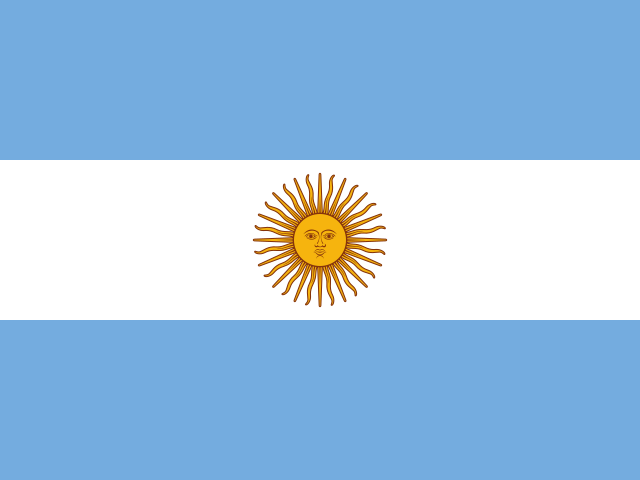
Argentina📸 Photo album · 8 photos · Ultra-HD
 Iguazú Falls
Tango, glaciers, wine country and roaring waterfalls
🕒 –:– local time9 stories this week5 sources 6 top placesCapital Buenos Aires
Long before Europeans arrived, the land now called Argentina was home to a patchwork of peoples: hunter-gatherers who left painted hands on the walls of Cueva de las Manos in Patagonia thousands of years ago, farming communities such as the Diaguita in the Andean northwest, and Guaraní groups in the subtropical northeast. In the late fifteenth century the Inca Empire pushed its roads and outposts into the far northwest, linking the region to the wider Andean world.
Spanish explorers reached the Río de la Plata in the early 1500s, and Buenos Aires was founded for good in 1580. For two centuries the colony was a quiet backwater ruled from Lima, until the Viceroyalty of the Río de la Plata was created in 1776. The May Revolution of 1810 set up a local government, and independence was formally declared at Tucumán on 9 July 1816. Decades of rivalry between Buenos Aires and the provinces followed before a national constitution took hold in 1853.
From the late nineteenth century Argentina boomed on beef and grain exports. Railways spread across the Pampas and millions of immigrants, above all from Italy and Spain, reshaped the country's food, language and music; tango was born in this melting pot along the port of Buenos Aires. The twentieth century brought dramatic swings: the rise of Juan and Eva Perón, repeated military coups, a harsh dictatorship from 1976 to 1983, and the 1982 conflict with Britain over the Falklands/Malvinas, after which democracy was restored.
Since 1983 Argentina has remained a democracy, weathering economic crises while exporting football legends, literature and wine. For visitors, this layered past is everywhere: grand Belle Époque avenues and café culture in Buenos Aires, colonial churches and pre-Inca ruins in Salta and Jujuy, Jesuit mission ruins in Misiones, gaucho traditions on rural estancias, and a passionate national identity that comes alive at every asado, milonga and football match.
Entry rules depend on your passport and change often.
Before you book, check the official rules for your passport:
The latest visa and entry news for Argentina appears below as soon as publishers report it.
Argentina Citizenship by Investment is a developing route expected to provide foreign investors and their families with a pathway to obtain Argentine citizenship through a qualifying investment. This program is expected to be the…
 #Argentina#Digital Nomad
Brazil Along With Mexico and Other Markets Drive Latin America Business Travel Growth in 2026 Brazil, Mexico, Argentina and Peru drive Latin America business travel growth in 2026, boosting tourism, aviation, hotels and corporate…
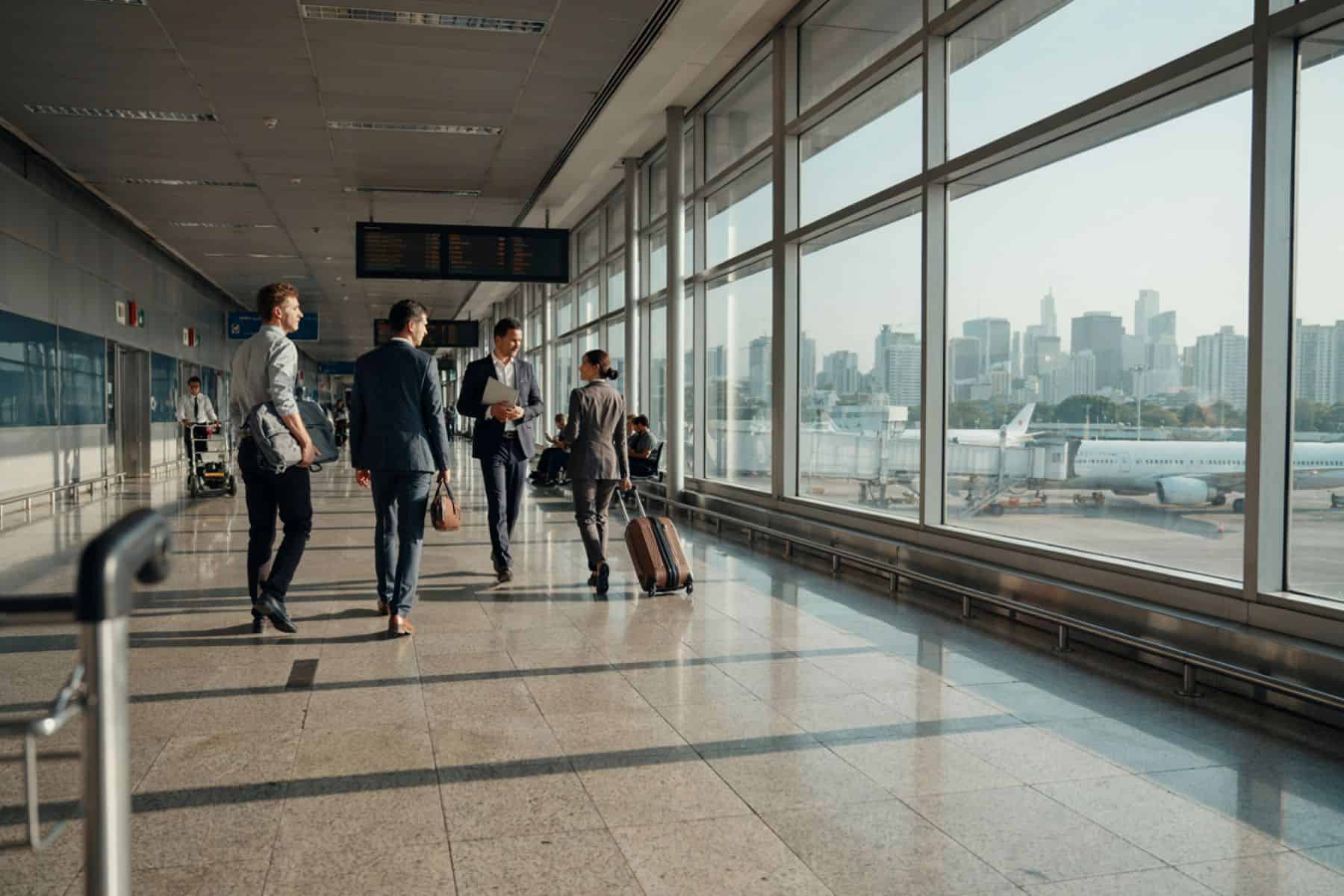 #Brazil#Mexico
Argentina Aligns With Chile And More Bolstering Southern Cone Travel Across Varied Landscapes Explore Argentina and neighbouring Southern Cone gems, from Buenos Aires tangos to Andean peaks, through expertly curated regional…
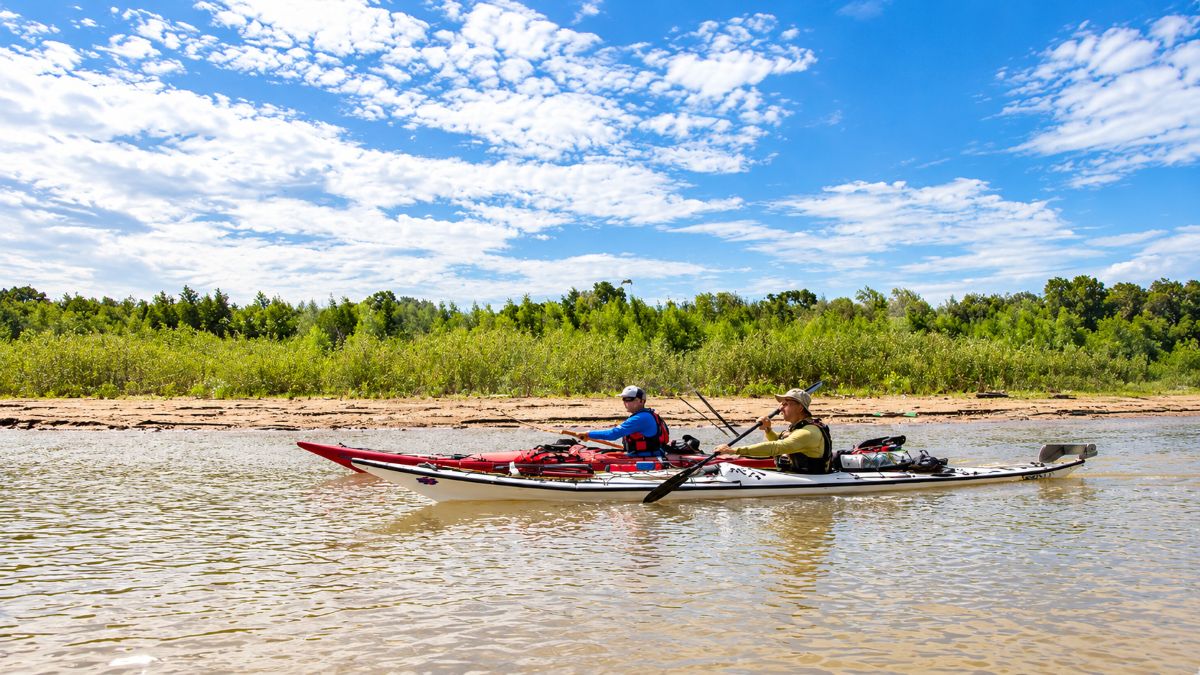 #Argentina#Chile#Inspiring & Scenic
Argentina will open its citizenship-by-investment programme in the fourth quarter of 2026, offering qualifying foreign investors two financial routes to Argentine citizenship, alongside options for family members. The article…
 #Argentina
Argentina Steps Up with Chile to Expand Defence Exports, Ignite Tourism Growth and Unlock Powerful Trade Opportunities Discover the 2026 verified updates on how Argentina and Chile defence exports and tourism growth are unlocking…
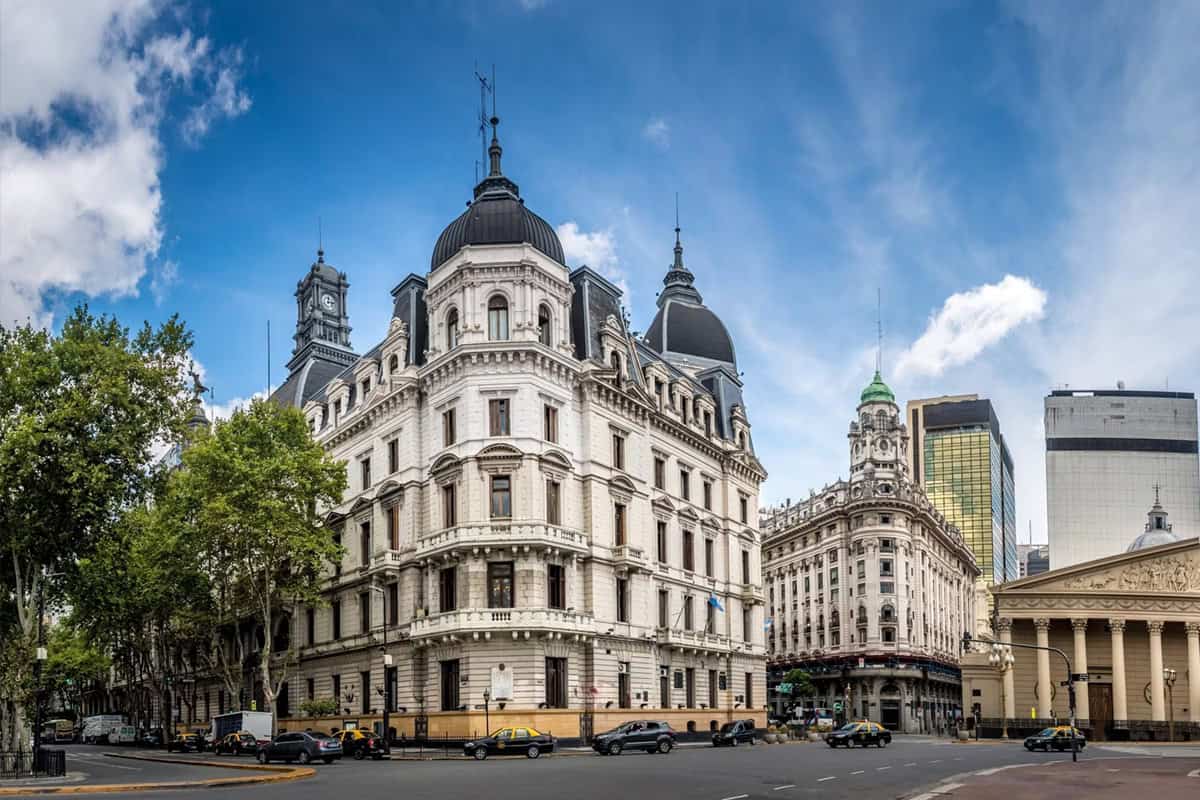 #Argentina#Chile
Exercise normal precaution in Argentina. Argentina is generally a safe destination for travelers. The U.S. Centers for Disease Control (CDC) has issued a Level 1 Travelers’ Health Notice for Andes virus (Hantavirus) in the…
#Argentina#United States#Visas & Entry RulesSeabourn has presented the expedition team for its 2026–27 Antarctica season. Between November 2026 and March 2027, the Seabourn Venture and Seabourn Pursuit will offer 19 departures roundtrip from Ushuaia to Antarctica, with…
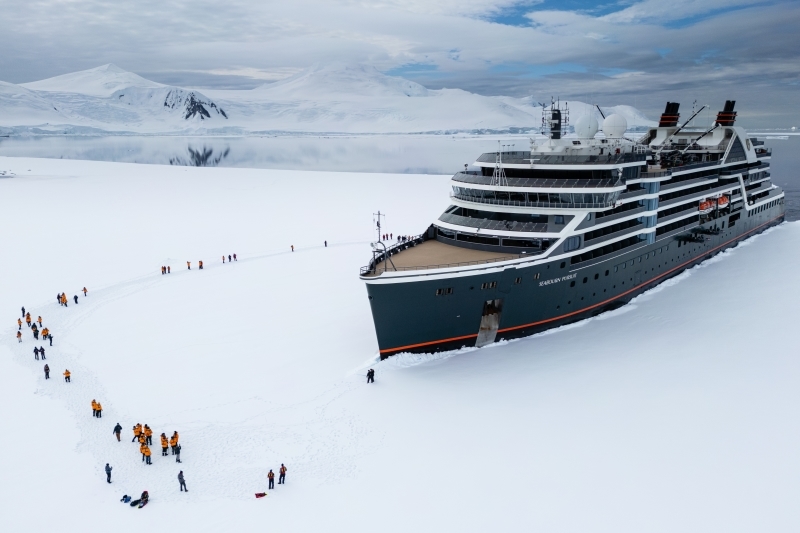 #Argentina#Cruises
Canada Leads Brazil, Argentina and More as Tourism Revenues, International Arrivals and Jobs Strengthen Across the Americas in 2026: What You Need to Know Canada, Brazil, Argentina, Dominican Republic and Chile see tourism…
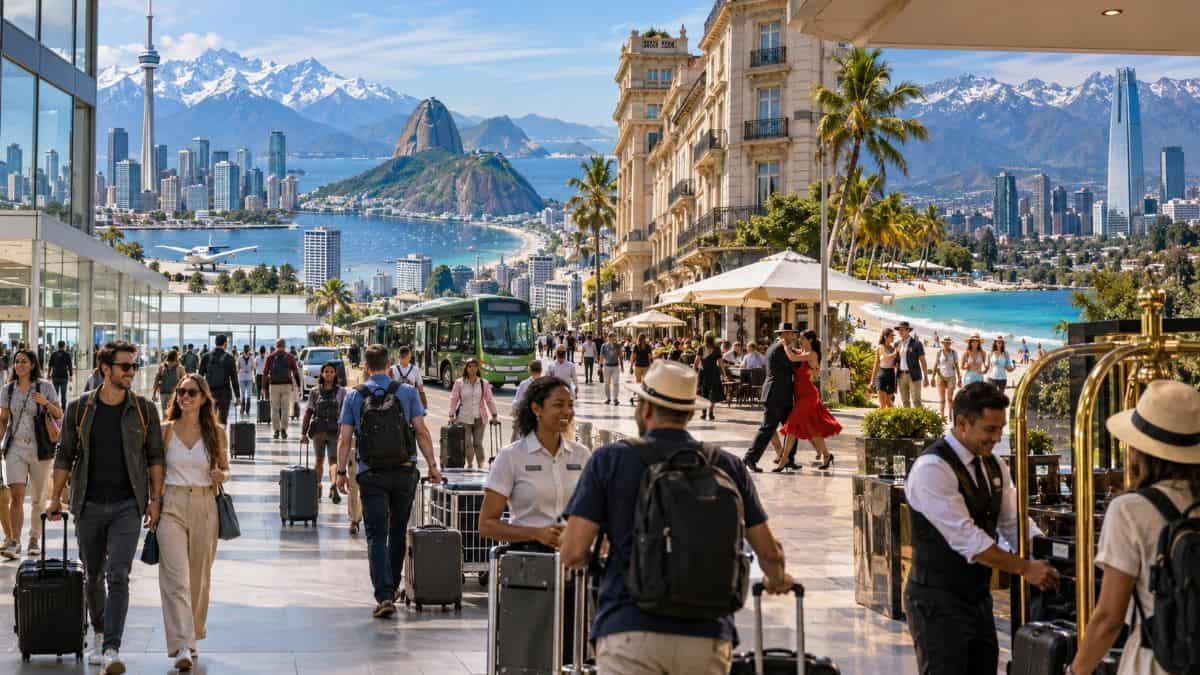 #Canada#Brazil
Uruguay Aligns with Colombia and Argentina Unveiling Massive Cruise Expansion in Q4 2026 The official Uruguay cruise expansion 2026 unites with Colombia and Argentina to transform tourism!
 #Uruguay#Colombia#Cruises
Argentina spans subtropical jungle in the north to sub-Antarctic Tierra del Fuego, so the climate varies enormously. The northwest is best in the dry months, while Patagonia is best in the southern summer.
Typical daytime highs and rain in Buenos Aires (approximate averages).
Day 1-4: explore Buenos Aires' barrios, cafés, markets and tango scene, with a day trip to the Tigre Delta. Day 5-7: fly to Puerto Iguazú to see the falls from both the Argentine and Brazilian sides.
Day 1-3: Buenos Aires. Day 4-5: Iguazú Falls. Day 6-8: Salta and the Quebrada de Humahuaca. Day 9-10: Mendoza vineyards. Day 11-16: fly south to El Calafate for Perito Moreno, then hike in El Chaltén.
Backpacker budget: about $40–60 a day
Emergency: 911 police · 107 ambulance · 100 fire
Most international flights land at Buenos Aires' Ezeiza (EZE) airport, with domestic flights from Aeroparque (AEP). Ferries cross the Río de la Plata to Uruguay, and land borders connect with Chile, Bolivia, Paraguay, Brazil and Uruguay.
✈️ Cheap flights to Argentina: airports, flight times & best time to fly →
Argentina is generally safe for travellers, with petty theft being the main concern in big cities. Keep valuables hidden, use trusted transport at night and you will rarely have problems.
October to April is best for most travellers, especially for Patagonia. Buenos Aires is pleasant in spring (September–November) and autumn (March–May).
A week covers Buenos Aires and Iguazú Falls. Two to three weeks lets you add Patagonia, Mendoza and the northwest, using domestic flights to cover the huge distances.
It depends on your passport – many visitors can enter visa-free for short stays, but rules change. Check the official Argentine government site or your nearest embassy before you travel.
Spanish is the main language, with a distinctive Rioplatense accent. English is common in tourist areas of Buenos Aires and Patagonia, but a few Spanish phrases go a long way.
Approximate daily cost per person (stay, food, local transport).
Long-distance buses are comfortable and cover the country; domestic flights save time over the huge distances. Cities have good buses and subways.
Nothing in this tab yet – the agents add new stories every few minutes.
🌏 You reached the start of our archive.


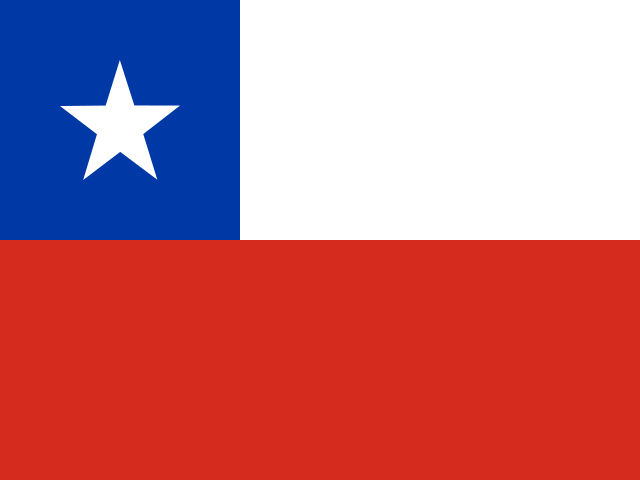 ChileFrom the driest desert to Patagonian peaks and Easter Island
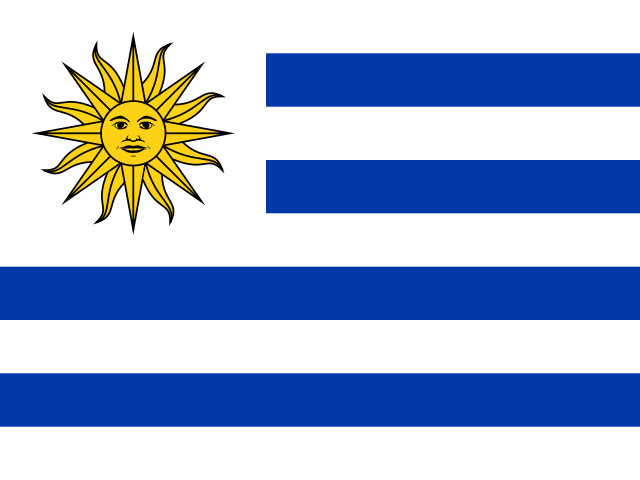 UruguayLaid-back beaches, colonial streets and mate culture
 Falkland IslandsPenguin colonies, wild coasts and remote island farms
 ParaguayJesuit ruins, river towns and South America's quiet heart
 BoliviaSalt flats, Andean lakes and colourful highland markets
.jpg/500px-Foz_do_Igua%C3%A7u_-_State_of_Paran%C3%A1,_Brazil_-_panoramio_(18).jpg)

 BrazilBeaches, rainforest, samba and carnival energy

 PeruMachu Picchu, Andean villages and world-class food
,_Punta_Pitt,_isla_de_San_Crist%C3%B3bal,_islas_Gal%C3%A1pagos,_Ecuador,_2015-07-24,_DD_11.JPG/500px-Lobo_marino_(Zalophus_californianus_wollebaeki),_Punta_Pitt,_isla_de_San_Crist%C3%B3bal,_islas_Gal%C3%A1pagos,_Ecuador,_2015-07-24,_DD_11.JPG)

 EcuadorGalápagos wildlife, Andean volcanoes and Amazon rainforest