


Falkland Islands📸 Photo album · 6 photos · Ultra-HD
Penguin colonies, wild coasts and remote island farms
🕒 –:– local time0 stories this week0 sources 5 top placesCapital Stanley
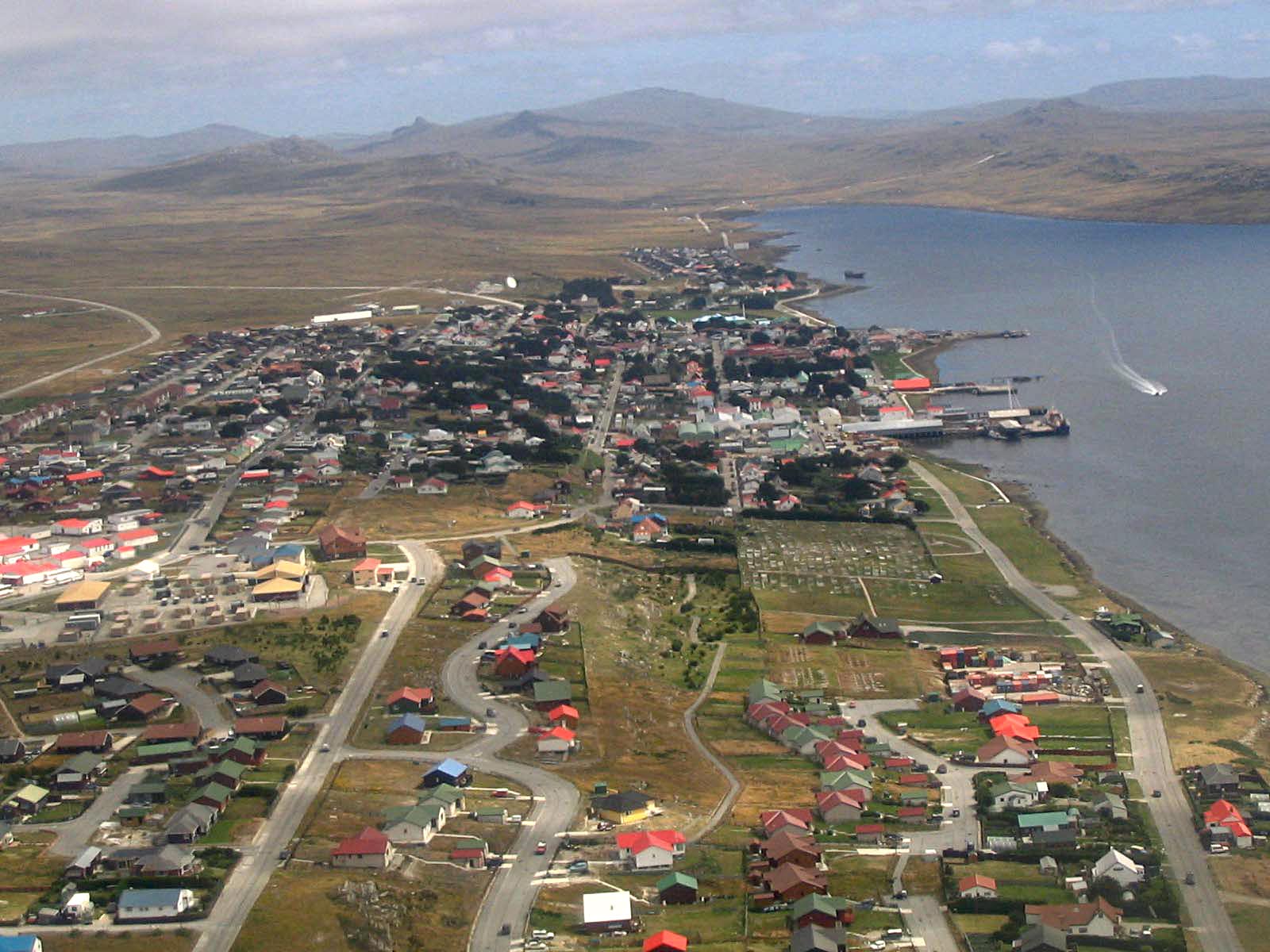
The Falkland Islands lie in the South Atlantic about 500 kilometres east of the South American mainland, a windswept archipelago of two main islands and hundreds of smaller ones. There is no firm evidence of permanent Indigenous settlement, though some researchers believe Fuegian peoples may have visited by canoe. European sailors began reporting sightings in the sixteenth century, and the English captain John Strong made the first recorded landing in 1690, naming the sound between the islands after Viscount Falkland.
In the 1760s France founded Port Louis on East Falkland and Britain established Port Egmont on Saunders Island, while Spain later took over the French settlement. Over the following decades sovereignty was contested, and after Spain withdrew, the newly independent United Provinces of the Río de la Plata, today's Argentina, claimed the islands. Britain reasserted control in 1833, and Stanley became the capital in the 1840s.
Through the nineteenth and twentieth centuries the islands developed a pastoral economy based on sheep farming, with remote 'camp' settlements linked by boats and later small aircraft. Stanley also served passing ships rounding Cape Horn, and some old hulks from that era still lie in its harbour. Argentina continued to claim the islands, which it calls the Malvinas, and in 1982 a brief war was fought after Argentine forces landed; British administration was restored that June.
Since then fishing licences, tourism and more recently interest in offshore resources have transformed the islands' economy, while the sovereignty question remains a matter of diplomatic dispute. For visitors, the Falklands offer an unusual mix: a small, tidy capital with a British feel, battlefield memorials and museums, and outstanding wildlife, from penguin colonies and albatrosses to sea lions and dolphins, in some of the most untouched landscapes in the southern hemisphere.
Entry rules depend on your passport and change often.
Before you book, check the official rules for your passport:
The latest visa and entry news for Falkland Islands appears below as soon as publishers report it.
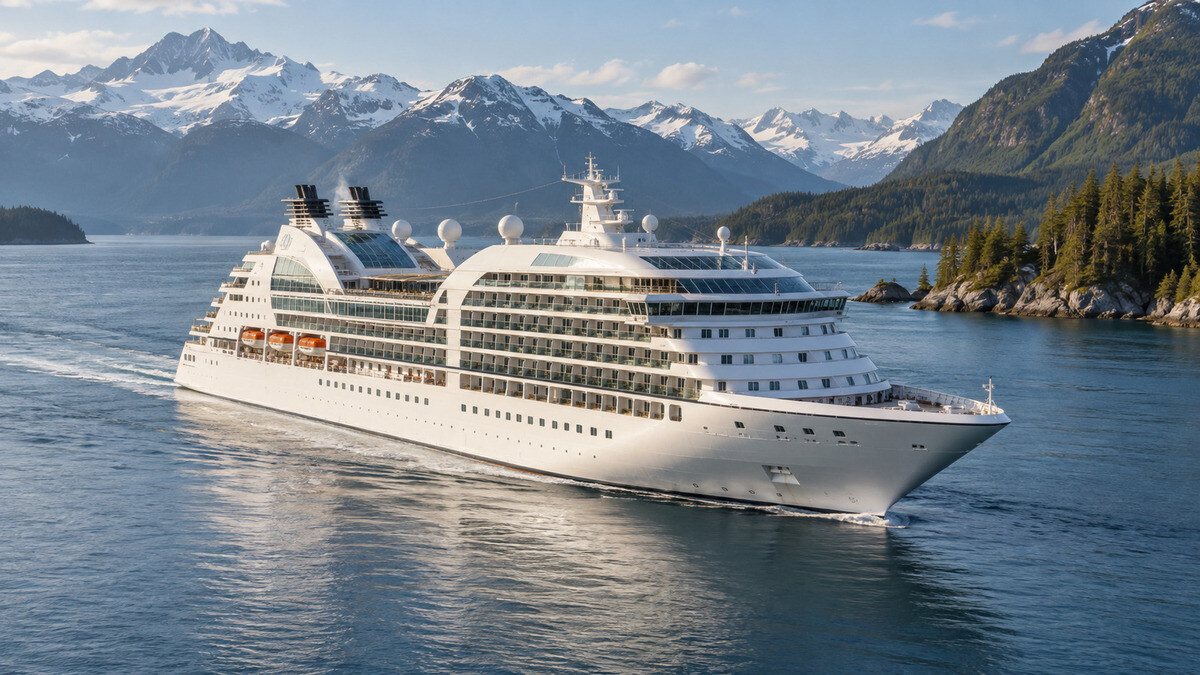
The luxury cruise line has a 2026-2027 schedule featuring 19 Antarctica voyages, with extended South Atlantic routes and expert guides from November to March.
The Falklands have a cool, windy oceanic climate with modest rainfall spread across the year. Summers are mild rather than warm, and weather can change quickly, sometimes bringing four seasons in a day.
Typical daytime highs and rain in Stanley (approximate averages).
Day 1 explore Stanley's waterfront and museum. Day 2 take a 4x4 trip to Volunteer Point for king penguins. Day 3 walk to Gypsy Cove and join a battlefield tour. Day 4 visit nearby beaches and wildlife sites.
Day 1-2 Stanley and Volunteer Point. Day 3-5 fly to Sea Lion Island for elephant seals and penguins. Day 6-8 continue to Saunders or Carcass Island for albatrosses and rockhoppers. Day 9-10 return to Stanley for final walks.
Backpacker budget: about $120–180 a day
Emergency: 999
Flights arrive at Mount Pleasant airport near Stanley, mainly via a weekly service from Chile (Punta Arenas) and an air link from the UK. Many visitors also arrive on expedition cruise ships heading to South Georgia and Antarctica.
✈️ Cheap flights to Falkland Islands: airports, flight times & best time to fly →
Yes, the Falklands are extremely safe with very little crime. The main thing to prepare for is fast-changing, windy weather when exploring the outdoors.
November to February is best for wildlife and mild weather. Penguins are mostly away in winter.
Four days is enough for Stanley and Volunteer Point. A week or more lets you visit outer islands for the best wildlife.
It depends on your passport – check the official Falkland Islands government site or your nearest British embassy before you travel.
There are no public buses, so travel is by 4x4 tours, rental vehicle or small inter-island planes. Plan and book inter-island flights well ahead.
Approximate daily cost per person (stay, food, local transport).
Rent a 4x4 on East Falkland or join tours. Small FIGAS planes fly between the islands.
Nothing in this tab yet – the agents add new stories every few minutes.
🌏 You reached the start of our archive.
.jpg/500px-Godoy_Cruz,_Mendoza_Province,_Argentina_-_panoramio_(12).jpg)

 ArgentinaTango, glaciers, wine country and roaring waterfalls

 ChileFrom the driest desert to Patagonian peaks and Easter Island
 UruguayLaid-back beaches, colonial streets and mate culture
 ParaguayJesuit ruins, river towns and South America's quiet heart
 BoliviaSalt flats, Andean lakes and colourful highland markets
.jpg/500px-Surroundings_of_Infrasound_Station_IS49_Tristan_de_Cunha,_UK_(13288640063).jpg)
 Tristan da CunhaThe world's most remote inhabited island
.jpg/500px-Foz_do_Igua%C3%A7u_-_State_of_Paran%C3%A1,_Brazil_-_panoramio_(18).jpg)

 BrazilBeaches, rainforest, samba and carnival energy

 PeruMachu Picchu, Andean villages and world-class food