.jpg/1920px-Surroundings_of_Infrasound_Station_IS49_Tristan_de_Cunha,_UK_(13288640063).jpg)

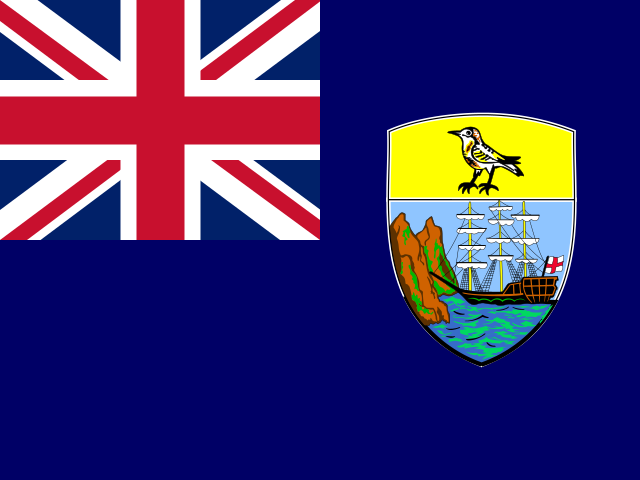
Tristan da Cunha📸 Photo album · 4 photos · Ultra-HD
The world's most remote inhabited island
🕒 –:– local time0 stories this week0 sources 4 top placesCapital Edinburgh of the Seven Seas
Tristan da Cunha rises from the South Atlantic roughly halfway between South Africa and South America, and it had no Indigenous inhabitants before Europeans arrived. The Portuguese navigator Tristão da Cunha sighted the island in 1506 and lent it his name, but its cliffs, fierce winds and lack of a natural harbour kept sailors from settling for three centuries. Whalers and sealers visited occasionally, and in 1810 an American adventurer, Jonathan Lambert, briefly declared himself ruler of the islands.
In 1816 Britain annexed Tristan and stationed a small garrison there, partly to prevent any attempt to rescue Napoleon from exile on St Helena. When the troops left the following year, Corporal William Glass and his family chose to stay, forming the core of a tiny community run on principles of equality and shared work. Shipwrecked sailors and other settlers later joined them, and the few family surnames found on the island today date from this era. A visit by Prince Alfred, Duke of Edinburgh, in 1867 gave the settlement its name: Edinburgh of the Seven Seas.
For much of its history the island was extremely isolated, dependent on passing ships and its potato patches, cattle and sheep. In 1961 a volcanic eruption close to the village forced the entire population to evacuate to Britain; most chose to return in 1963, an event still remembered with pride. Since then a lobster fishery has supported the economy, and today Tristan forms part of the British Overseas Territory of St Helena, Ascension and Tristan da Cunha, with its own Administrator and Island Council.
For the rare visitor who makes the long sea voyage, Tristan offers a uniquely self-reliant community of around 250 people, dramatic volcanic scenery and extraordinary wildlife. The neighbouring Gough and Inaccessible islands form a UNESCO World Heritage Site, home to vast colonies of seabirds and species found nowhere else.
Entry rules depend on your passport and change often.
Before you book, check the official rules for your passport:
The latest visa and entry news for Tristan da Cunha appears below as soon as publishers report it.
🛰️ The agents haven't spotted fresh news about Tristan da Cunha in the last few days – here is the travel guide, plus the latest from nearby countries.
Zimbabwe Aligns With Mozambique and Other African Countries as South Africa Drives Seamless Cross-Border Tourism Through Digital Overhaul Zimbabwe joins Mozambique and other African countries as South Africa’s digital border…
 #Zimbabwe#Mozambique
Brazil Aligns Peru and Others in Protecting Tourists from AI Scams as Governments Build Defences Against Deepfakes Discover how Brazil, Peru, Chile, and Uruguay are uniting to stop AI scams in South American tourism.
 #Brazil#Peru#Travel Tips
South Africa Travel Safety Under Scrutiny as 10.5 Million Tourists Return Despite Persistent Crime Concerns South Africa travel safety explained as tourism surges, crime remains high and experts advise informed, locally guided…
 #South Africa
The Carnival Radiance completed a 15-day drydock in Seaspan shipyard in Victoria, Canada, welcoming first guests in Long Beach on Sunday, October 3. According to a press release, the ship’s Effy jewelry boutique was upgraded and…
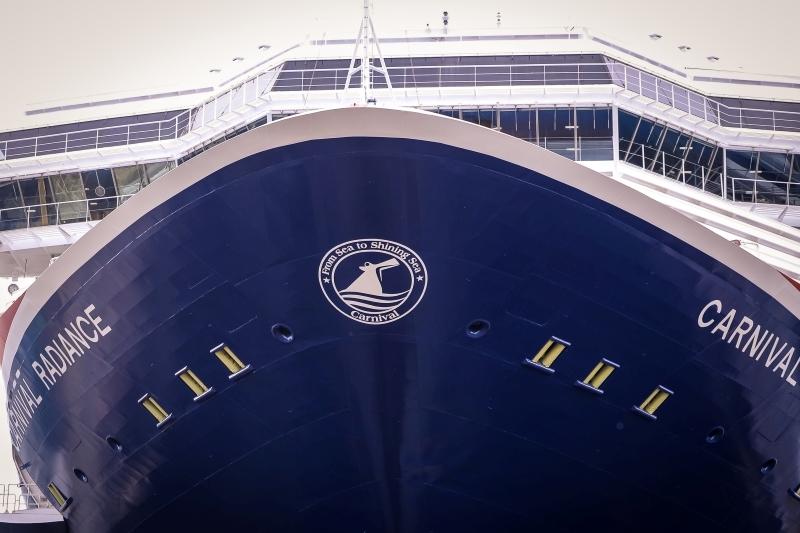 #Ascension Island#Canada#Long Beach#Carnival
There were no changes to the advisory level or risk indicators. Advisory summary was updated. Exercise increased caution in Uruguay due to crime . Advisory summary Crime is most common in these departments: Montevideo Canelones…
#Uruguay#Visas & Entry RulesIt doesn’t get much cuter than Grafton.
:max_bytes(150000):strip_icc():format(jpeg)/TAL-lead-image-GRAFTONVT0226-f7c2024965c14d959f887fdbd35df058.jpg) #Ascension Island#Green Mountain#Destinations
#Ascension Island#Green Mountain#Destinations
Are you ready for a BIG monthly recap? Because it doesn’t get any bigger than this. My dear readers, I visited my 100th country. Botswana. I’ve been working toward this travel goal for many years, and I’m so thrilled to have…
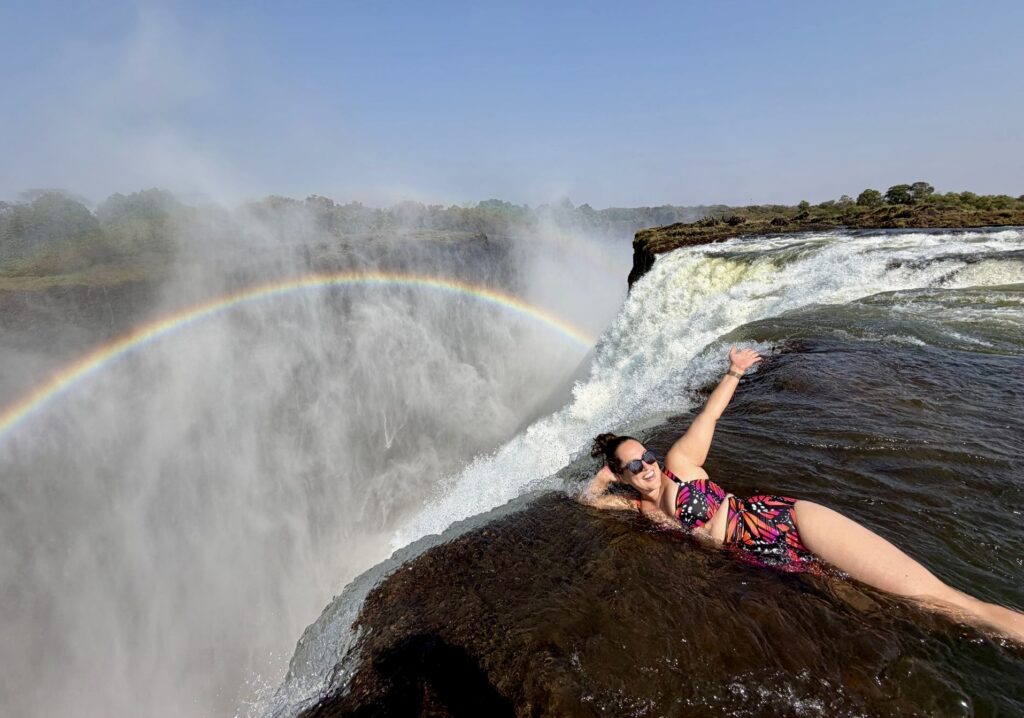 #Botswana#Backpackers & Hostels
Tristan has a cool, damp oceanic climate with mild temperatures all year and frequent wind, cloud and rain. Weather changes quickly, and landing at the small harbour is often impossible for days at a time.
Typical daytime highs and rain in Edinburgh of the Seven Seas (approximate averages).
Day 1-2 settle into the village, visit the churches, post office and 1961 volcano. Day 3 walk to the Potato Patches. Day 4-5 a boat trip to Nightingale Island or a guided climb of Queen Mary's Peak, weather permitting.
Day 1-3 village life, history and coastal walks. Day 4-6 time for weather windows to climb Queen Mary's Peak and boat to Nightingale. Day 7-10 slow down with fishing, wildlife watching and community events before your ship departs.
Backpacker budget: about $70–110 a day
Emergency:
Tristan has no airport; visitors travel by ship from Cape Town, South Africa, on research vessels, fishing ships or occasional cruise ships, with permission from the island's Administrator required in advance.
✈️ Cheap flights to Tristan da Cunha: airports, flight times & best time to fly →
Yes, but only with advance permission from the Administrator and a berth on a ship from Cape Town. Visitor numbers are tiny, so planning ahead is essential.
It is extremely safe in terms of crime. The main risks are its isolation, weather and limited medical care, so get insurance that covers evacuation and check your government's latest advice.
There is no airport. Travel is by sea from Cape Town, typically taking around a week, on the few ships that sail each year.
Requirements depend on your passport – check the official territory government site before you travel. All visitors need prior approval to land.
Your stay depends on ship schedules, so it may be a few days or several weeks. Allow extra time for weather delays on arrival and departure.
Approximate daily cost per person (stay, food, local transport).
Everything in the village is walkable; guided trips are needed beyond it. The only way to the island is a long boat trip, usually from Cape Town.
Nothing in this tab yet – the agents add new stories every few minutes.
🌏 You reached the start of our archive.

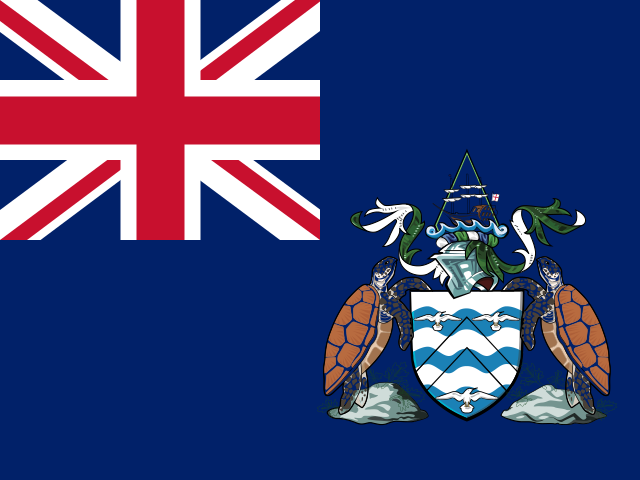 Ascension IslandA remote volcanic island of turtles, seabirds and cloud forest
.jpg/500px-South_Africa_-_Drakensberg_(16261357780).jpg)

 South AfricaSafaris, winelands and a city under Table Mountain
 NamibiaRed dunes, desert wildlife and endless open roads
 LesothoThe Kingdom in the Sky – mountain passes, ponies and waterfalls
 BotswanaDelta safaris, salt pans and huge elephant herds
 UruguayLaid-back beaches, colonial streets and mate culture
 Falkland IslandsPenguin colonies, wild coasts and remote island farms
 AngolaWild coastlines, giant waterfalls and a booming Atlantic capital