.jpg/1920px-Hwange_National_Park,_Zimbabwe_(48595113747).jpg)
.jpg/1920px-Conical_Tower_-_Great_Enclosure_III_(33736918448).jpg)


Zimbabwe📸 Photo album · 6 photos · Ultra-HD
Victoria Falls, ancient stone ruins and big-game parks
🕒 –:– local time4 stories this week2 sources 6 top placesCapital Harare
Zimbabwe's earliest inhabitants were San hunter-gatherers, whose thousands of rock paintings still decorate granite shelters in places such as the Matobo Hills. From the first millennium AD, Bantu-speaking farmers and metalworkers settled the high plateau between the Zambezi and Limpopo rivers. Around the eleventh to fifteenth centuries, Shona ancestors built the city of Great Zimbabwe, whose massive dry-stone walls and conical tower made it the capital of a wealthy state trading gold and ivory with Swahili ports on the Indian Ocean coast, and from there with places as far away as Persia and China.
After Great Zimbabwe declined, power shifted to successor states such as the Mutapa kingdom in the north and the Rozvi and Torwa states in the southwest, which dealt with Portuguese traders from the sixteenth century. In the 1830s the Ndebele, led by Mzilikazi, migrated north from southern Africa and established a kingdom centred on Bulawayo. In the 1890s Cecil Rhodes's British South Africa Company occupied the territory, which was named Rhodesia, and uprisings by the Ndebele and Shona in 1896-97 were suppressed. Settlers took much of the best farmland, a grievance that shaped the century to come.
In 1965 the white-minority government of Southern Rhodesia under Ian Smith declared independence unilaterally from Britain, sparking international sanctions and a long liberation war. A negotiated settlement led to majority-rule elections, and Zimbabwe became independent in 1980 with Robert Mugabe as its leader. The following decades brought land reform, economic crises and periods of hyperinflation. Mugabe left office in 2017 after 37 years, and the country continues to work toward economic recovery.
For visitors, Zimbabwe is a land of remarkable natural and cultural treasures: the thundering Victoria Falls, the ruins of Great Zimbabwe, the balancing granite boulders of the Matobo Hills and superb wilderness parks such as Hwange and Mana Pools. Its guides are among the most highly trained in Africa, and Zimbabweans are famed for their warmth, stone sculpture and music.
Entry rules depend on your passport and change often.
Before you book, check the official rules for your passport:
The latest visa and entry news for Zimbabwe appears below as soon as publishers report it.
Zimbabwe Aligns With Mozambique and Other African Countries as South Africa Drives Seamless Cross-Border Tourism Through Digital Overhaul Zimbabwe joins Mozambique and other African countries as South Africa’s digital border…
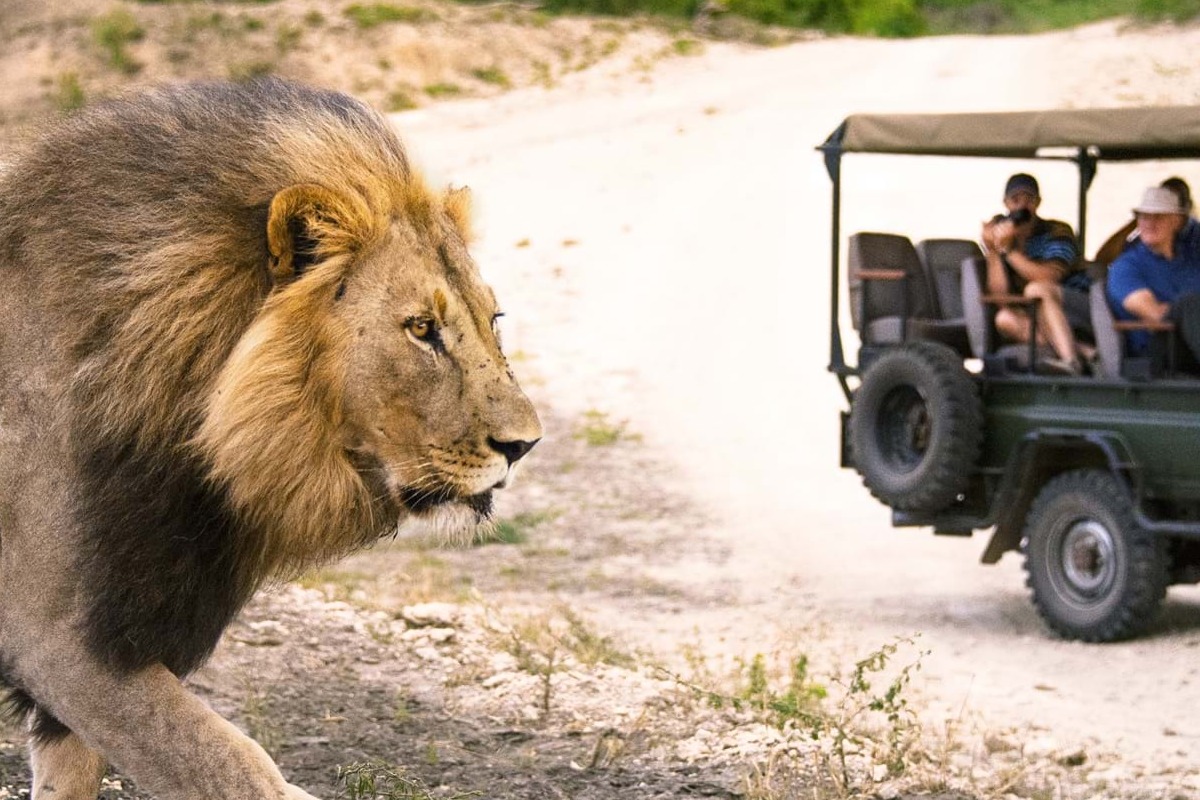 #Zimbabwe#Mozambique
Zimbabwe Follows South Africa and More Countries in Airbnb Registrations and Investment Bans to Purge Hyper-Tourism Discover how global Airbnb registrations and investment bans to purge hyper-tourism are reshaping travel.
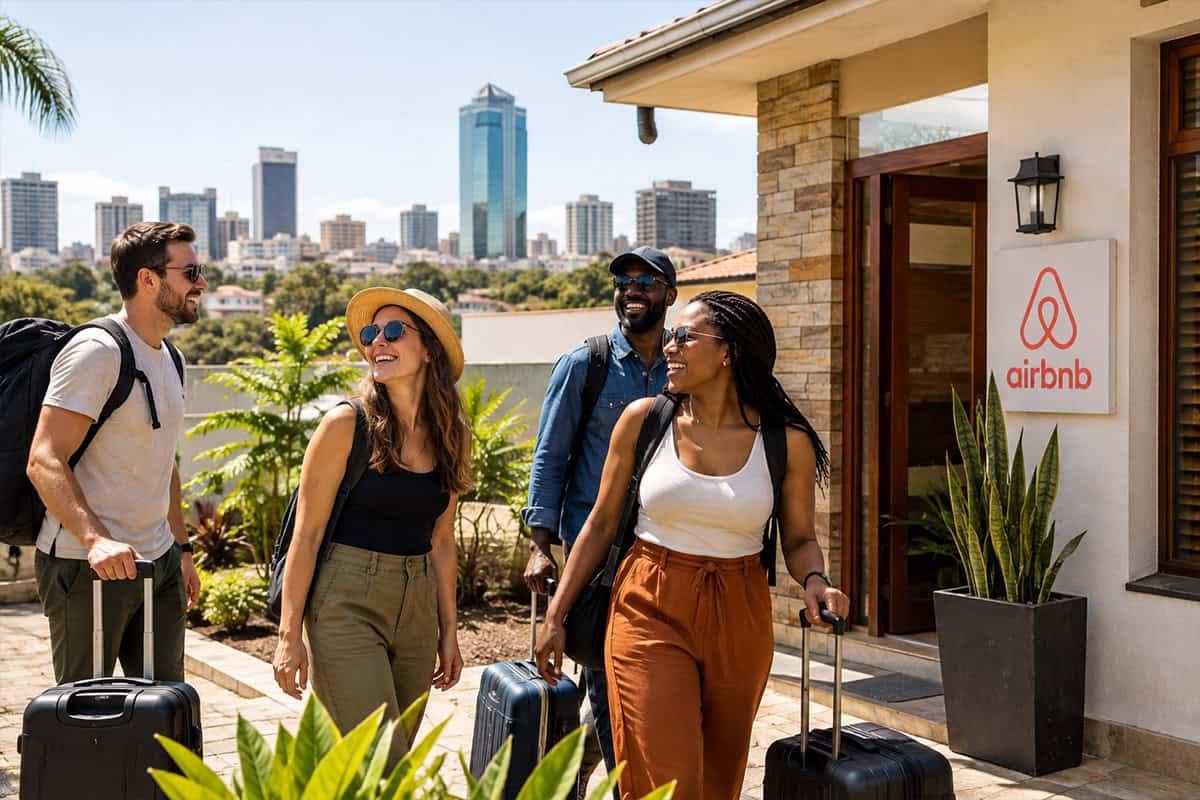 #Zimbabwe#South Africa#Airbnb#Hotels & Stays
Zimbabwe Unites Malawi and More as Zambia Rail Revival Strengthens Regional Travel and Tourism Access Zambia rail revival strengthens tourism access from Zimbabwe, Malawi, Tanzania and South Africa through better regional travel…
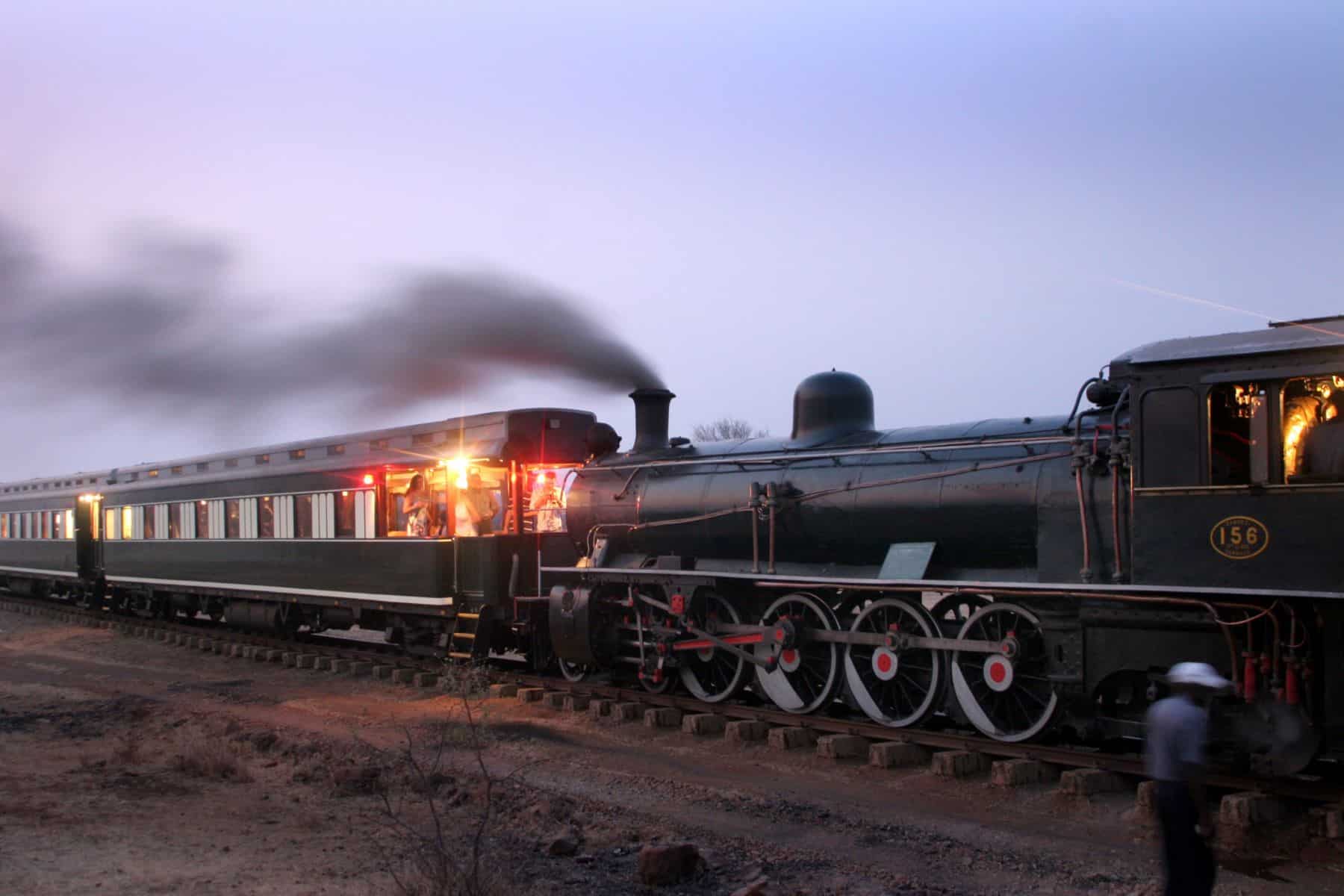 #Zimbabwe#Malawi
Exercise normal precautionSummary not available
#Zimbabwe#Visas & Entry RulesThanks to its high plateau, Zimbabwe has a pleasant climate with warm days, cool winter nights from June to August and a hot spell before the rains. Low-lying areas like the Zambezi Valley and Victoria Falls are considerably hotter.
Typical daytime highs and rain in Harare (approximate averages).
Day 1-2 explore Victoria Falls with a sunset cruise and adventure activities. Day 3-5 head to Hwange National Park for game drives among elephants and lions.
Day 1-2 Victoria Falls. Day 3-5 Hwange safari. Day 6-7 Bulawayo and the Matobo Hills for rhino tracking and rock art. Day 8-10 Great Zimbabwe's ruins, then on to Harare or the Eastern Highlands.
Backpacker budget: about $40–60 a day
Emergency: 995 police · 994 ambulance · 993 fire · 999
Robert Gabriel Mugabe International Airport in Harare and Victoria Falls International Airport are the main gateways; land borders connect with Zambia, Botswana, South Africa and Mozambique.
✈️ Cheap flights to Zimbabwe: airports, flight times & best time to fly →
Zimbabwe is generally safe for visitors, especially in tourist areas like Victoria Falls and the national parks. Avoid political gatherings, take normal city precautions and check your government's latest travel advice.
May to October is the best time for safaris thanks to dry weather and good wildlife viewing. Victoria Falls is at its fullest around March to May.
Allow two or three days for Victoria Falls and at least a week to ten days to add Hwange, Matobo and Great Zimbabwe.
It depends on your passport – check the official government site or a Zimbabwean embassy before you travel.
US dollars are widely used, so bring small notes in good condition. Cards work at many hotels and lodges, but cash is essential for markets and smaller businesses.
Approximate daily cost per person (stay, food, local transport).
Buses connect Harare, Bulawayo and Victoria Falls, but many visitors use flights, rental cars or safari transfers.
Nothing in this tab yet – the agents add new stories every few minutes.
🌏 You reached the start of our archive.

 BotswanaDelta safaris, salt pans and huge elephant herds
 ZambiaWalking safaris, mighty falls and the Zambezi River
 MozambiqueIndian Ocean islands, coral reefs and Portuguese charm
 MalawiThe warm heart of Africa and its great freshwater lake
 EswatiniA small kingdom of game reserves, culture and mountain trails
 LesothoThe Kingdom in the Sky – mountain passes, ponies and waterfalls
 NamibiaRed dunes, desert wildlife and endless open roads
.jpg/500px-South_Africa_-_Drakensberg_(16261357780).jpg)

 South AfricaSafaris, winelands and a city under Table Mountain