


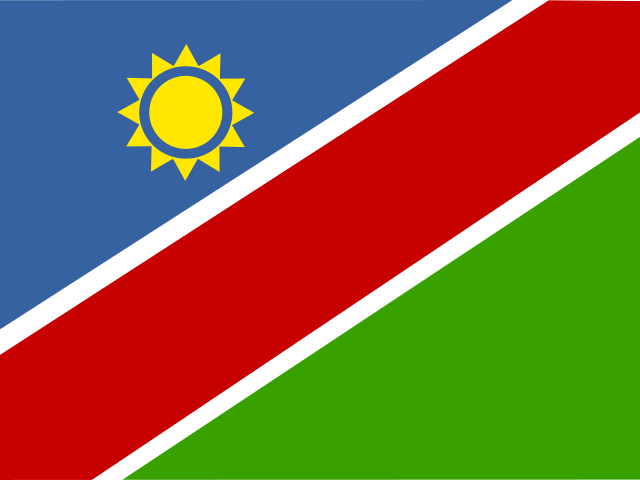
Namibia📸 Photo album · 6 photos · Ultra-HD
Red dunes, desert wildlife and endless open roads
🕒 –:– local time0 stories this week0 sources 6 top placesCapital Windhoek
Namibia's deserts hide some of humanity's oldest stories. San hunter-gatherers have lived here for many thousands of years, and their ancestors left behind thousands of rock engravings and paintings, most famously at Twyfelfontein and in the Brandberg massif. Over time Nama and Damara herders, Herero cattle-keepers and Ovambo and Kavango farmers in the north settled different parts of the land, creating a richly diverse nation.
Portuguese navigator Bartolomeu Dias planted a stone cross on the coast near today's Lüderitz in 1488, but the harsh Skeleton Coast and the Namib Desert kept most Europeans away for centuries. Missionaries and traders arrived in the 1800s, and in 1884 Germany declared the colony of German South West Africa. Herero and Nama resistance from 1904 was crushed with extreme brutality, in what is now widely recognised as a genocide; diamonds were discovered near Lüderitz in 1908.
During the First World War South African forces took over the territory, which South Africa then administered under a League of Nations mandate and later extended apartheid policies to. Namibians resisted through political organisation and a long liberation struggle led by SWAPO, while international pressure grew. After a UN-supervised transition, Namibia became independent on 21 March 1990.
Since then Namibia has been one of Africa's most stable democracies, known for community conservancies that let local people benefit from wildlife. Visitors find a land of vast silence: the red dunes of Sossusvlei, the wildlife of Etosha, desert-adapted elephants, shipwrecks on the Skeleton Coast and German colonial towns like Swakopmund and Lüderitz – along with living cultures such as the Himba of the Kunene region.
Entry rules depend on your passport and change often.
Before you book, check the official rules for your passport:
The latest visa and entry news for Namibia appears below as soon as publishers report it.
🛰️ The agents haven't spotted fresh news about Namibia in the last few days – here is the travel guide, plus the latest from nearby countries.
Zimbabwe Aligns With Mozambique and Other African Countries as South Africa Drives Seamless Cross-Border Tourism Through Digital Overhaul Zimbabwe joins Mozambique and other African countries as South Africa’s digital border…
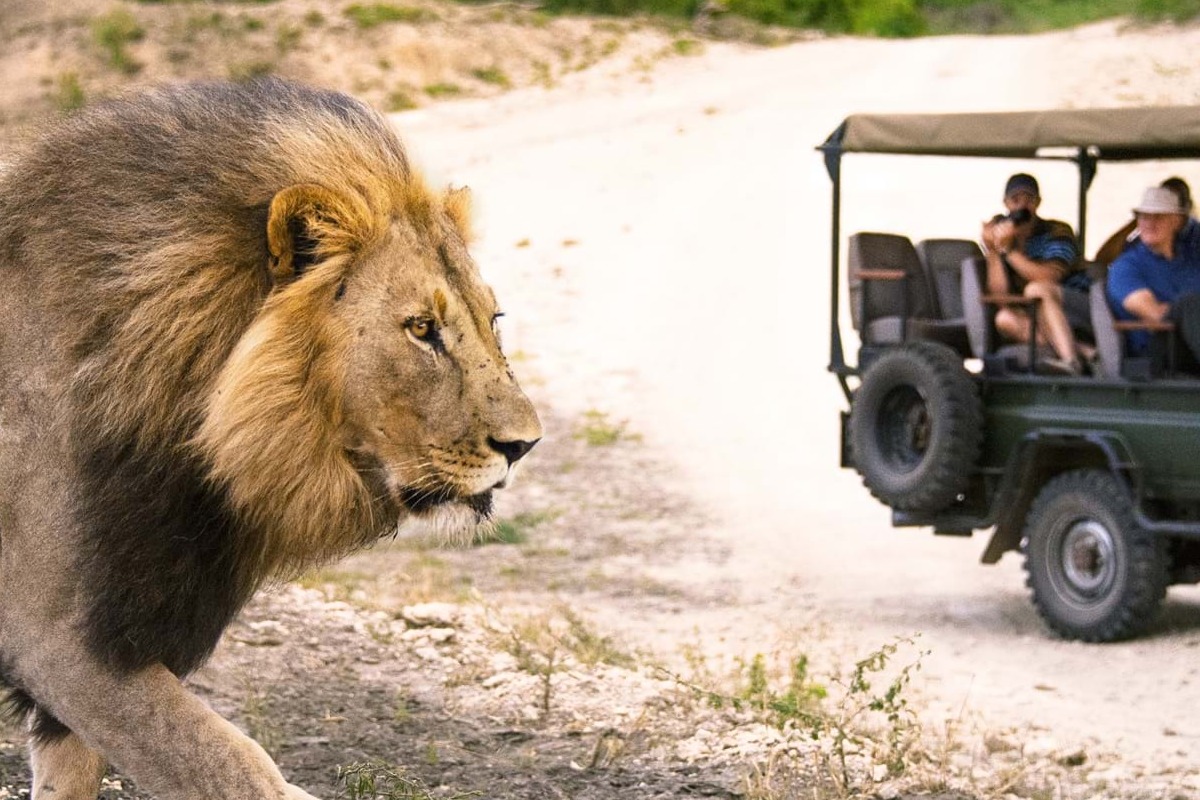 #Zimbabwe#Mozambique
South Africa Travel Safety Under Scrutiny as 10.5 Million Tourists Return Despite Persistent Crime Concerns South Africa travel safety explained as tourism surges, crime remains high and experts advise informed, locally guided…
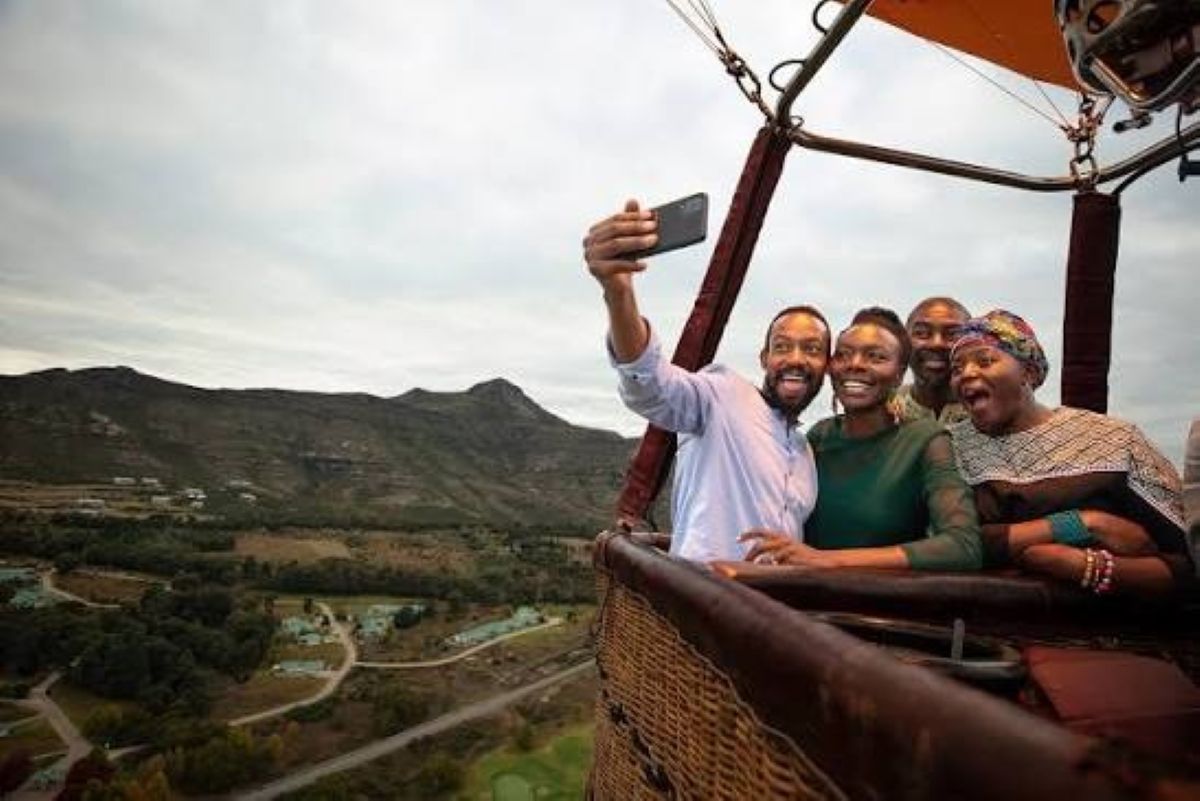 #South Africa
Zimbabwe Follows South Africa and More Countries in Airbnb Registrations and Investment Bans to Purge Hyper-Tourism Discover how global Airbnb registrations and investment bans to purge hyper-tourism are reshaping travel.
 #Zimbabwe#South Africa#Airbnb#Hotels & Stays
On 04/10/2026, a forest fire started in Angola, until 05/10/2026.
#Angola#Weather & AlertsOn 30/09/2026, a forest fire started in Angola, until 04/10/2026.
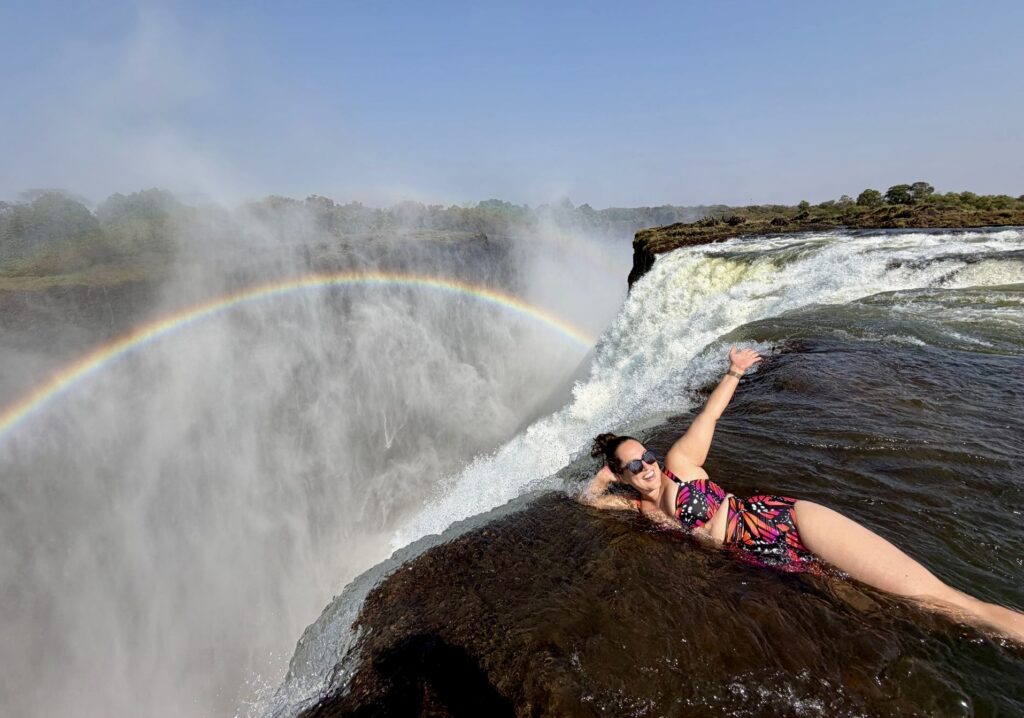
#Angola#Weather & AlertsAre you ready for a BIG monthly recap? Because it doesn’t get any bigger than this. My dear readers, I visited my 100th country. Botswana. I’ve been working toward this travel goal for many years, and I’m so thrilled to have…
 #Botswana#Backpackers & Hostels
Namibia is one of the driest countries in Africa, with hot days and cold desert nights, especially in winter (June-August). The coast is cool and foggy thanks to the cold Benguela current, while the northeast is wetter and greener.
Typical daytime highs and rain in Windhoek (approximate averages).
Day 1 arrive in Windhoek. Day 2-3 drive to Sossusvlei for dunes and Deadvlei. Day 4-5 continue to Swakopmund for activities. Day 6-7 head north to Etosha for game drives.
Day 1-2 Windhoek and Fish River Canyon or the Kalahari. Day 3-5 Sossusvlei and the NamibRand. Day 6-7 Swakopmund and Walvis Bay. Day 8-10 Damaraland and Twyfelfontein. Day 11-14 Etosha, with optional time in the Zambezi Region.
Backpacker budget: about $40–70 a day
Emergency: 10111 police
Hosea Kutako International Airport near Windhoek is the main gateway, with connections via Johannesburg, Cape Town, Frankfurt and other hubs. Road borders link Namibia with South Africa, Botswana, Zambia and Angola.
✈️ Cheap flights to Namibia: airports, flight times & best time to fly →
Yes, Namibia is considered one of the safest countries in Africa for travellers. The main risks are petty crime in towns and accidents on gravel roads.
May to October is ideal, with dry weather and excellent wildlife viewing. The summer months from December to March are hot and can bring storms.
It depends on your passport – entry rules vary by nationality and can change. Check the official government site or Namibian embassy before you travel.
Yes, Namibia is one of Africa's best self-drive destinations, with good main roads and well-marked routes. A 4x4 or high-clearance vehicle is recommended for gravel roads.
A week covers Sossusvlei, Swakopmund and Etosha at a fast pace. Two weeks allows a more relaxed road trip including Damaraland and the south.
Approximate daily cost per person (stay, food, local transport).
Most visitors rent a 4x4 and drive themselves on long gravel roads. Shuttle buses link Windhoek with Swakopmund and other towns.
Nothing in this tab yet – the agents add new stories every few minutes.
🌏 You reached the start of our archive.

 BotswanaDelta safaris, salt pans and huge elephant herds
.jpg/500px-South_Africa_-_Drakensberg_(16261357780).jpg)

 South AfricaSafaris, winelands and a city under Table Mountain
.jpg/500px-Hwange_National_Park,_Zimbabwe_(48595113747).jpg)
 ZimbabweVictoria Falls, ancient stone ruins and big-game parks
 LesothoThe Kingdom in the Sky – mountain passes, ponies and waterfalls
 AngolaWild coastlines, giant waterfalls and a booming Atlantic capital
 EswatiniA small kingdom of game reserves, culture and mountain trails
 ZambiaWalking safaris, mighty falls and the Zambezi River
 MozambiqueIndian Ocean islands, coral reefs and Portuguese charm