.jpg/1920px-Salzburg_(48489551981).jpg)


.jpg/1920px-B%C3%BCrgerstra%C3%9Fe_26+24_(BT0A2830).jpg)
.JPG/1920px-Wachau_(2).JPG)

Austria📸 Photo album · 9 photos · Ultra-HD
Alpine peaks, imperial palaces and classical music
🕒 –:– local time9 stories this week4 sources 6 top placesCapital Vienna
People have lived in the Austrian Alps and Danube valley for tens of thousands of years; the famous Venus of Willendorf figurine was carved here some 30,000 years ago, and the salt mines of Hallstatt gave their name to a whole Iron Age culture. Celtic tribes later formed the kingdom of Noricum, which the Romans absorbed, building frontier forts along the Danube such as Carnuntum and Vindobona, the camp that grew into Vienna.
After centuries of migrations, the region became a frontier march of the Holy Roman Empire, first recorded as 'Ostarrichi' in 996. In 1273 Rudolf of Habsburg was elected king, and his dynasty would rule from Vienna for more than six hundred years. Through clever marriages, wars and diplomacy the Habsburgs assembled a vast multinational realm stretching across central Europe. Vienna twice withstood Ottoman sieges, in 1529 and 1683, and afterwards blossomed into a baroque capital of palaces, churches and court music that nurtured Haydn, Mozart, Beethoven and Schubert.
In 1867 the empire was restructured as the dual monarchy of Austria-Hungary, and fin-de-siècle Vienna became a hothouse of art, architecture, psychology and coffee-house debate. Defeat in the First World War broke up the empire in 1918, leaving a small German-speaking republic. Austria was annexed by Nazi Germany in 1938, and after 1945 it was occupied by the four Allied powers until the State Treaty of 1955 restored full independence and committed the country to permanent neutrality. Austria joined the European Union in 1995 and adopted the euro shortly after.
Today Austria is a prosperous federal republic of nine states, famous for its alpine scenery, music and high quality of life. Visitors can explore imperial palaces in Vienna, Mozart's birthplace in Salzburg, medieval abbeys along the Wachau valley and lakeside villages in the Salzkammergut, then head into the mountains for skiing in winter or hut-to-hut hiking in summer, all linked by one of Europe's best rail networks.
Entry rules depend on your passport and change often.
Before you book, check the official rules for your passport:
The latest visa and entry news for Austria appears below as soon as publishers report it.
France Unites With Austria and More as New Ski Hotels Transform Europe Winter Travel in 2026-27 France, Austria, Italy and Switzerland welcome new ski hotels for winter 2026-27, boosting Alpine travel, luxury stays and ski…
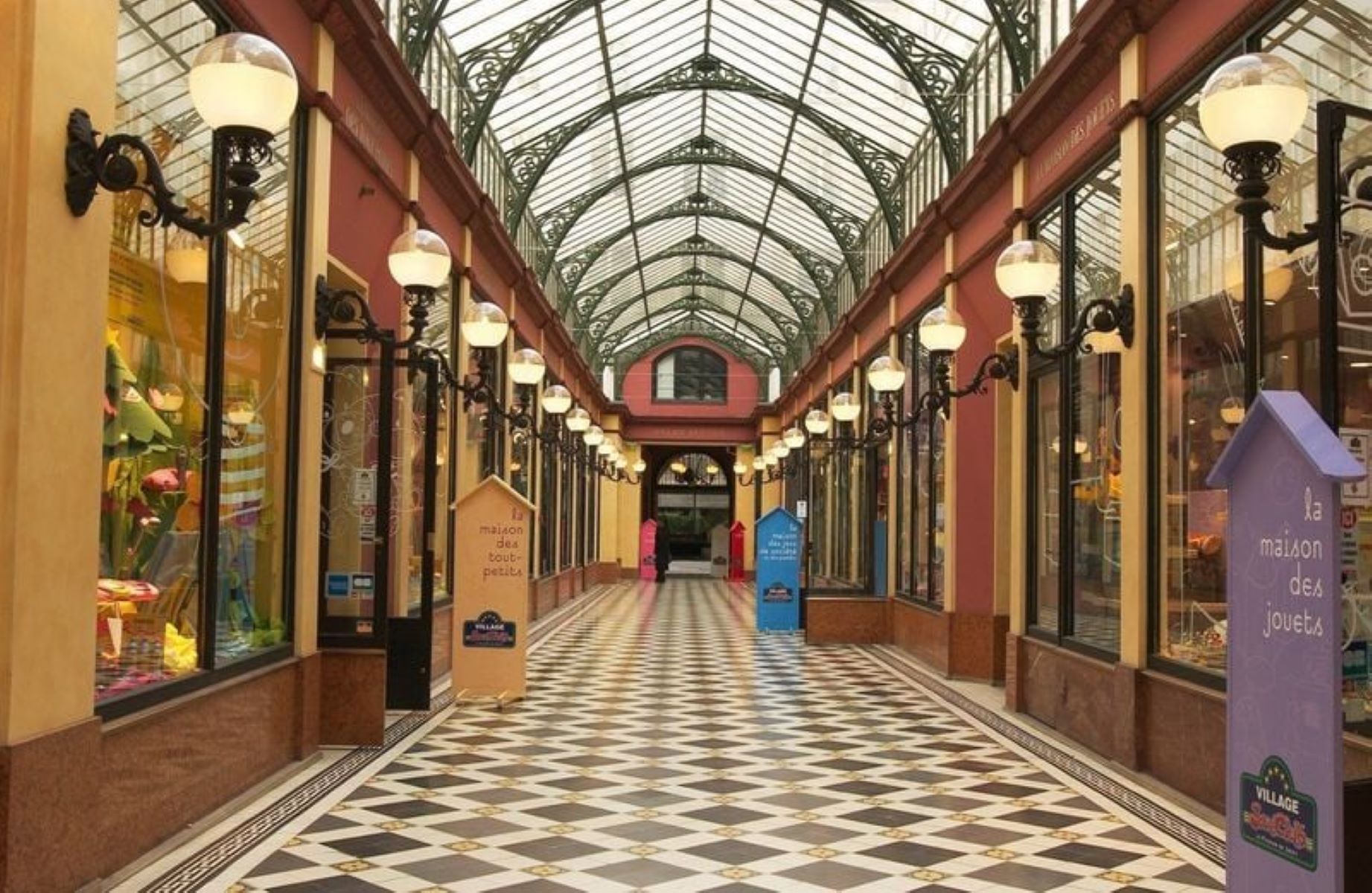 #France#Austria#Hotels & Stays
Condé Nast Traveler readers rate their top destination spa resorts across the world—from Austria to India and beyond.
 #Austria#India#Destinations
Wyndham Expands in Germany with Opening of Vienna House Frankfurt South Vienna House by Wyndham Frankfurt South opens with 104 rooms, rooftop dining, wellness and meeting spaces near Frankfurt Airport.
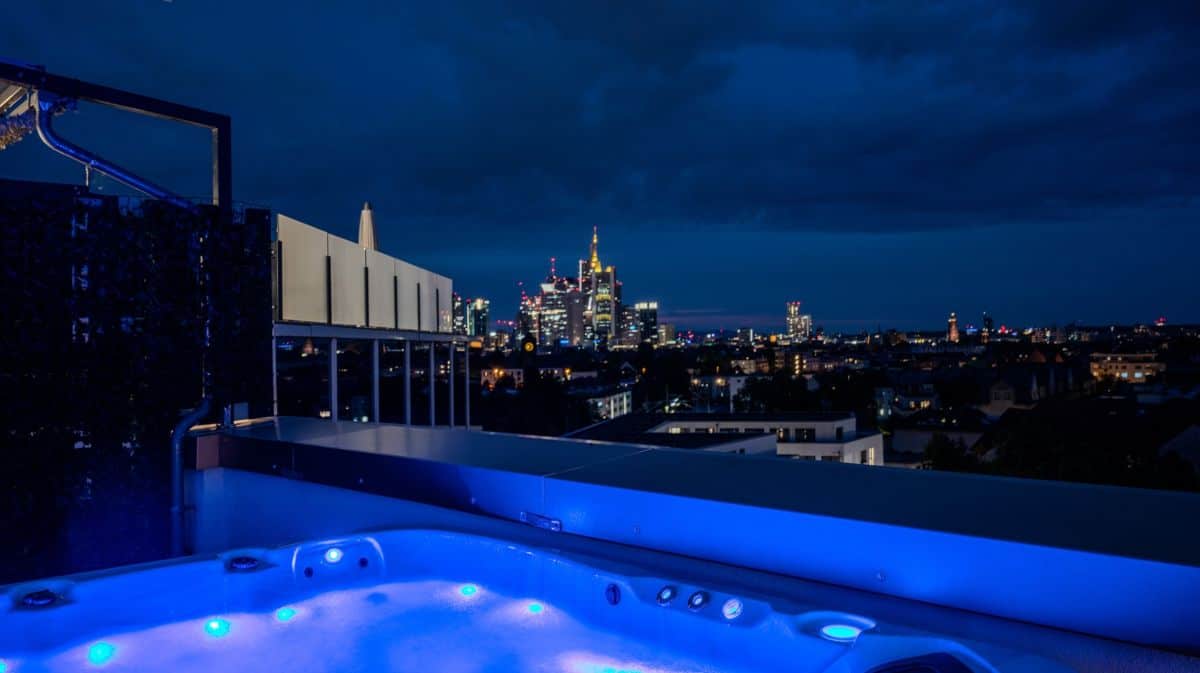 #Germany#Austria#Vienna
US Joins Italy and More Among Top Markets as Munich’s Oktoberfest 2026 Draws Record 7.4 Million Visitors US, Italy and Austria feature among top markets as Munich’s Oktoberfest 2026 draws 7.4 million visits. Explore prices, tent…
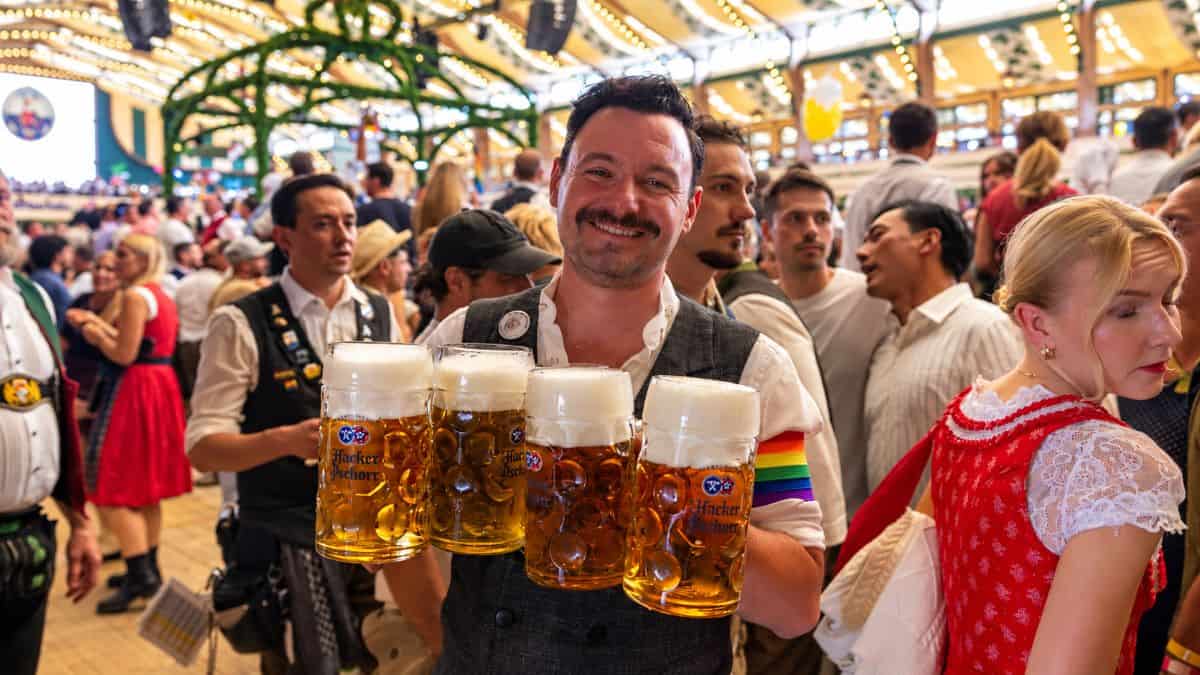 #Germany#United States#Munich#Oktoberfest
Hungary Aligns with Austria and More Facing Severe Water Loss Threatening Central European Holiday Lake Balaton faces historic water loss as 250 million cubic metres vanish, exposing shorelines and impacting Central European…
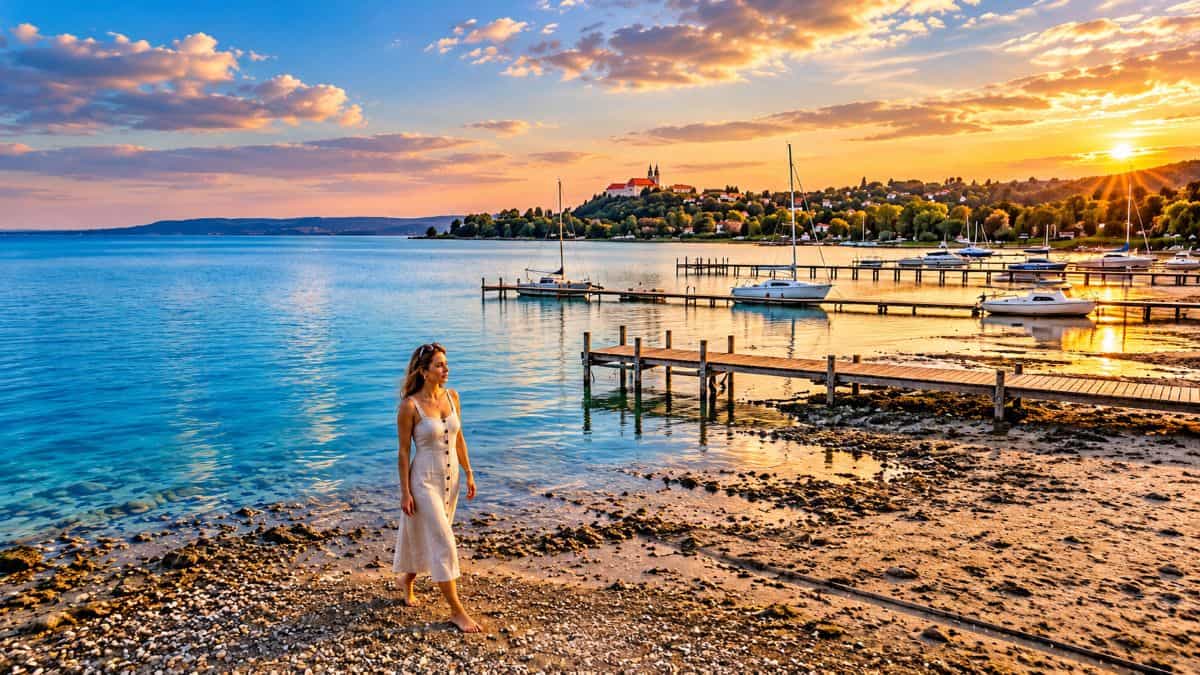 #Hungary#Austria#Central
Austria and Poland Converge with Czechia as a New Value-for-Money Tourism Triangle Takes Shape Austria, Czechia and Poland offer distinct value across prices, tourism growth, transport access and travel spending.
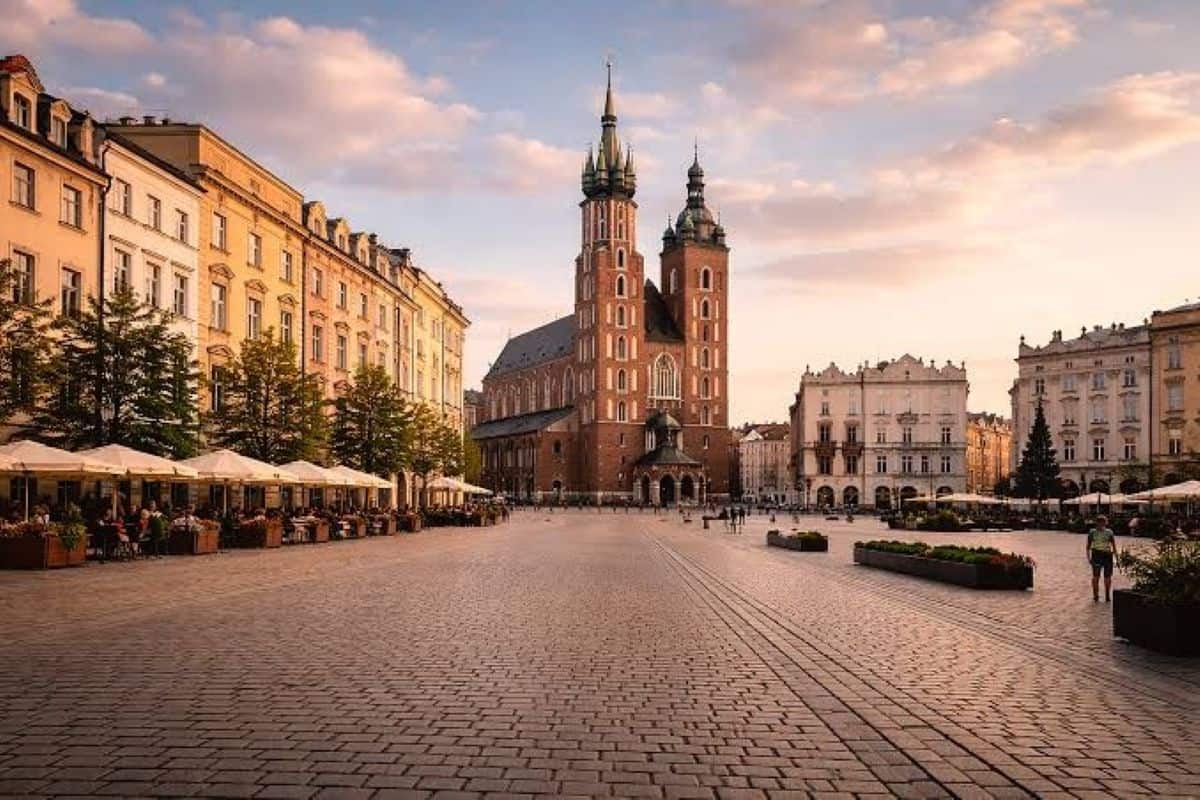 #Austria#Poland
Austria Is Potential Enough in Vocational Tourism Training in Innsbruck and Beyond Austria expands tourism training potential as Innsbruck, Salzburg, Vienna and other hubs connect hospitality education with growing workforce…
 #Austria#Innsbruck
A good sale to Krakow. Pricing will vary slightly depending on routing United and its partners Air Canada, Austrian, Lufthansa and Swiss
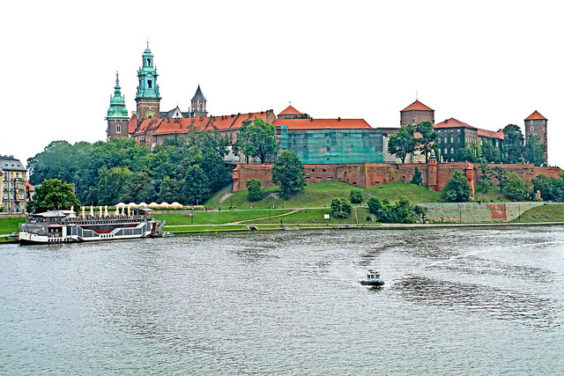 #Poland#United States#San Francisco#Lufthansa
There were no changes to the advisory level or risk indicators. Advisory summary was updated. Advisory summary Austria is generally a safe destination for travelers. Read our Travel Guidance for additional information on travel…
#Austria#Visas & Entry RulesAustria has a central European climate with warm summers and cold winters, and the eastern lowlands around Vienna are drier and sunnier than the Alps. Mountain weather changes quickly, with afternoon thunderstorms common in summer and reliable snow at altitude from December to April.
Typical daytime highs and rain in Vienna (approximate averages).
Day 1-3: Vienna's Hofburg, Schönbrunn, museums, coffee houses and a concert or Heuriger evening. Day 4-5: take the train to Salzburg for the old town and fortress, with a half-day trip to Hallstatt or the lakes.
Day 1-3: Vienna. Day 4: cycle or cruise the Wachau valley via Melk. Day 5-6: Salzburg and the Salzkammergut lakes. Day 7-8: Grossglockner or Zell am See for mountain scenery. Day 9-10: finish in Innsbruck with a cable-car day in the Alps.
Backpacker budget: about $70–100 a day
Emergency: 112 · 133 police · 144 ambulance · 122 fire
Vienna International Airport is the main gateway, with Salzburg and Innsbruck airports serving the Alps; fast trains link Austria with Germany, Switzerland, Italy, Czechia and Hungary.
✈️ Cheap flights to Austria: airports, flight times & best time to fly →
Yes, Austria is very safe, with low crime and reliable services. The main risks are pickpockets in busy areas and natural hazards in the mountains, so check weather and avalanche information.
May to September suits city breaks, lakes and hiking, while December to March is best for skiing and Christmas markets. April and October are quieter shoulder months.
Five days covers Vienna and Salzburg comfortably. With ten days you can add the Danube valley, the lakes and the Tyrolean Alps.
Austria is in the Schengen Area, and whether you need a visa depends on your passport. Check the official Austrian government site or embassy before you travel.
German is the official language, but English is widely spoken in tourist areas and by younger people. Trains and buses make getting around easy without a car.
Approximate daily cost per person (stay, food, local transport).
Austria's trains are fast, punctual and scenic, and buses reach mountain villages. Cities have excellent trams and metros.
Nothing in this tab yet – the agents add new stories every few minutes.
🌏 You reached the start of our archive.

 SloveniaEmerald rivers, alpine lakes and a green little capital
 CzechiaFairy-tale castles, Gothic spires and world-famous beer

 CroatiaIsland-hopping, walled cities and crystal-clear sea
 HungaryThermal baths, Danube views and paprika-rich food
.jpg/500px-Malbun_seen_from_Augstenberg_(valo139).jpg)
 LiechtensteinA tiny Alpine principality of castles, vineyards and trails
 SlovakiaCastle ruins, alpine peaks and a compact Danube capital
 San MarinoTiny hilltop republic with medieval towers and big views
 Bosnia and HerzegovinaOttoman bridges, emerald rivers and coffee culture