


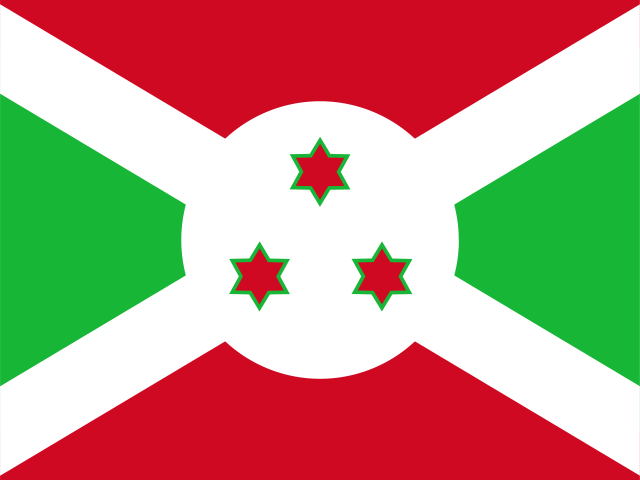
Burundi📸 Photo album · 6 photos · Ultra-HD
Royal drummers, green hills and Lake Tanganyika beaches
🕒 –:– local time0 stories this week0 sources 6 top placesCapital Gitega
Burundi's green, hilly landscape has been home to people for many thousands of years. The Twa, forest hunters and potters, are considered its earliest inhabitants, joined over time by farming communities and cattle-keeping groups. By around the seventeenth century a centralised kingdom had emerged under a sacred king, the mwami, whose court was surrounded by elaborate rituals. The royal drums, carved from tree trunks and played by teams of drummers, symbolised the monarchy's power, and this drumming tradition survives as one of Africa's most thrilling performance arts.
European explorers reached the region in the mid-nineteenth century; in 1871 Henry Morton Stanley and David Livingstone camped at Mugere on the shore of Lake Tanganyika, a spot still marked today. In the 1890s Burundi was absorbed into German East Africa, and after the First World War it was handed to Belgium as part of the territory of Ruanda-Urundi. Colonial rule kept the monarchy in place while reshaping society, and missions spread Christianity and education across the hills.
Burundi became independent on 1 July 1962 as a constitutional monarchy, but the kingdom was abolished in 1966 and the country declared a republic. The decades that followed were marked by political instability and tension between communities, including a long civil conflict from 1993. Peace talks culminating in the Arusha agreement of 2000 created power-sharing institutions, and in 2019 the inland town of Gitega became the political capital, while Bujumbura on the lakeshore remains the economic hub.
Today Burundi is one of Africa's least-visited countries, which is part of its appeal for adventurous travellers. Visitors can watch the royal drummers at Gishora, see a pyramid marking the southernmost source of the Nile, spot hippos in the Rusizi delta and relax on Lake Tanganyika's sandy beaches. Tea and coffee plantations blanket the hills, and the welcome in markets and villages is warm, though travellers should keep an eye on official advice.
Entry rules depend on your passport and change often.
Before you book, check the official rules for your passport:
The latest visa and entry news for Burundi appears below as soon as publishers report it.
🛰️ The agents haven't spotted fresh news about Burundi in the last few days – here is the travel guide, plus the latest from nearby countries.
South Africa Moves Alongside With Rwanda And More Countries In Boosting Africa Tourism With 4% Growth As Safari And Coastal Demand Climbs Africa tourism grows by 4% in 2026 due to strong performance by South Africa and Rwanda for…
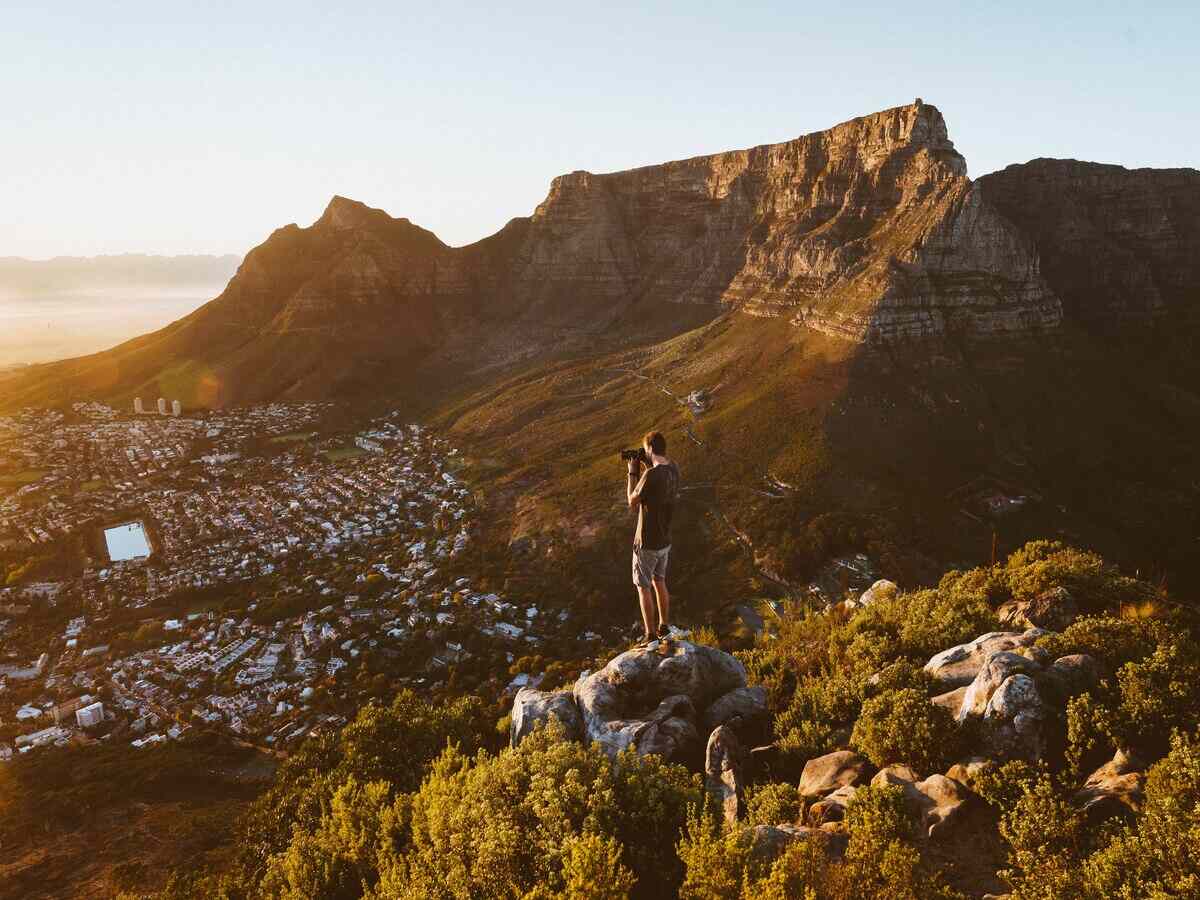 #South Africa#Rwanda#Safari
Zimbabwe Unites Malawi and More as Zambia Rail Revival Strengthens Regional Travel and Tourism Access Zambia rail revival strengthens tourism access from Zimbabwe, Malawi, Tanzania and South Africa through better regional travel…
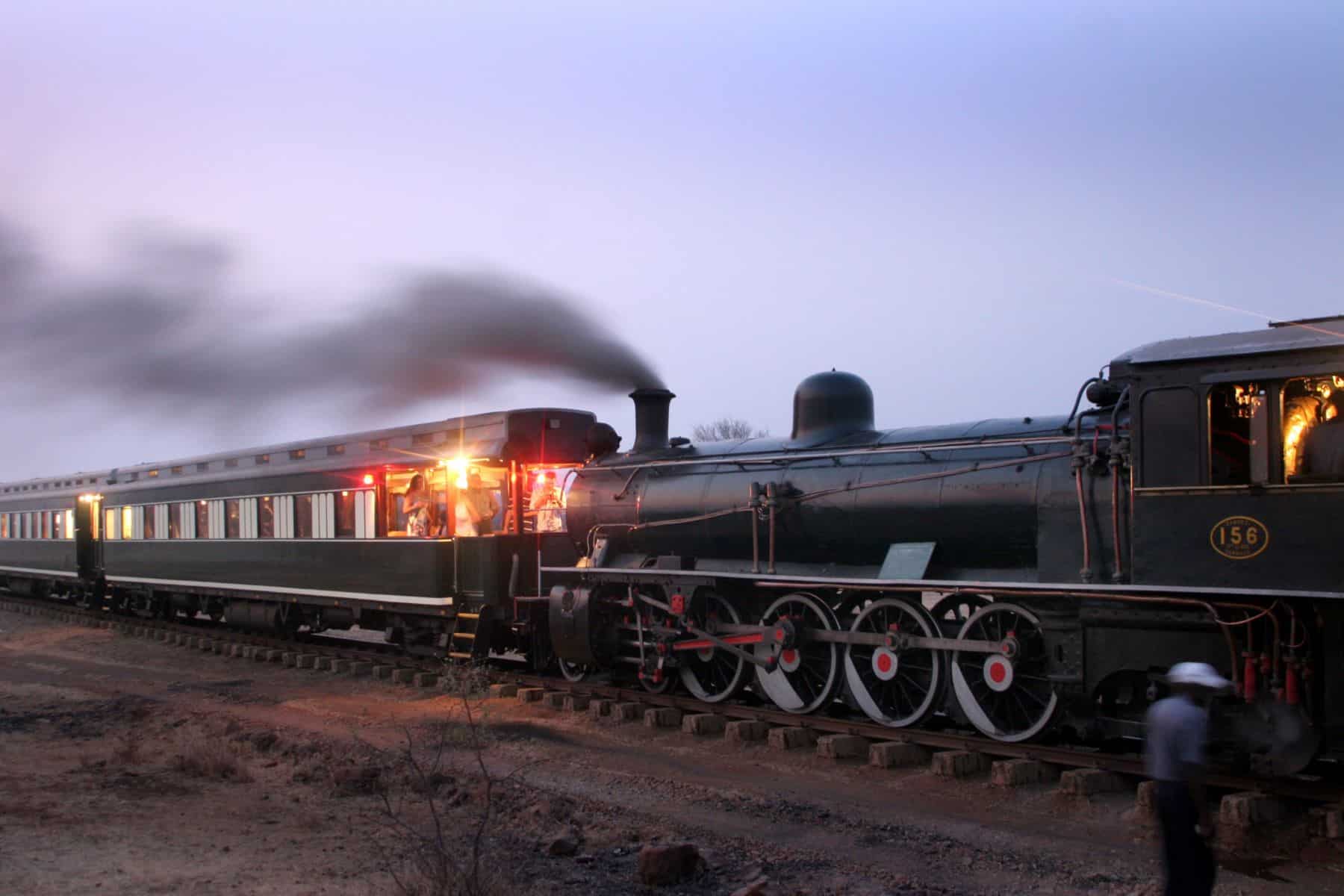 #Zimbabwe#Malawi
Exercise normal precautionSummary not available
#Tanzania#Visas & Entry RulesUganda has removed the yellow fever vaccination certificate from its mandatory entry requirements, according to immigration authorities, changing a long-standing travel condition. The article Uganda removes Yellow Fever…
 #Uganda
Rwanda Turns Cycling Races into Community Rides and Lake Kivu Adventures South Africa and Rwanda show how races, public rides and scenic cycling routes could extend visitor stays, while local tourism benefits still need evidence.
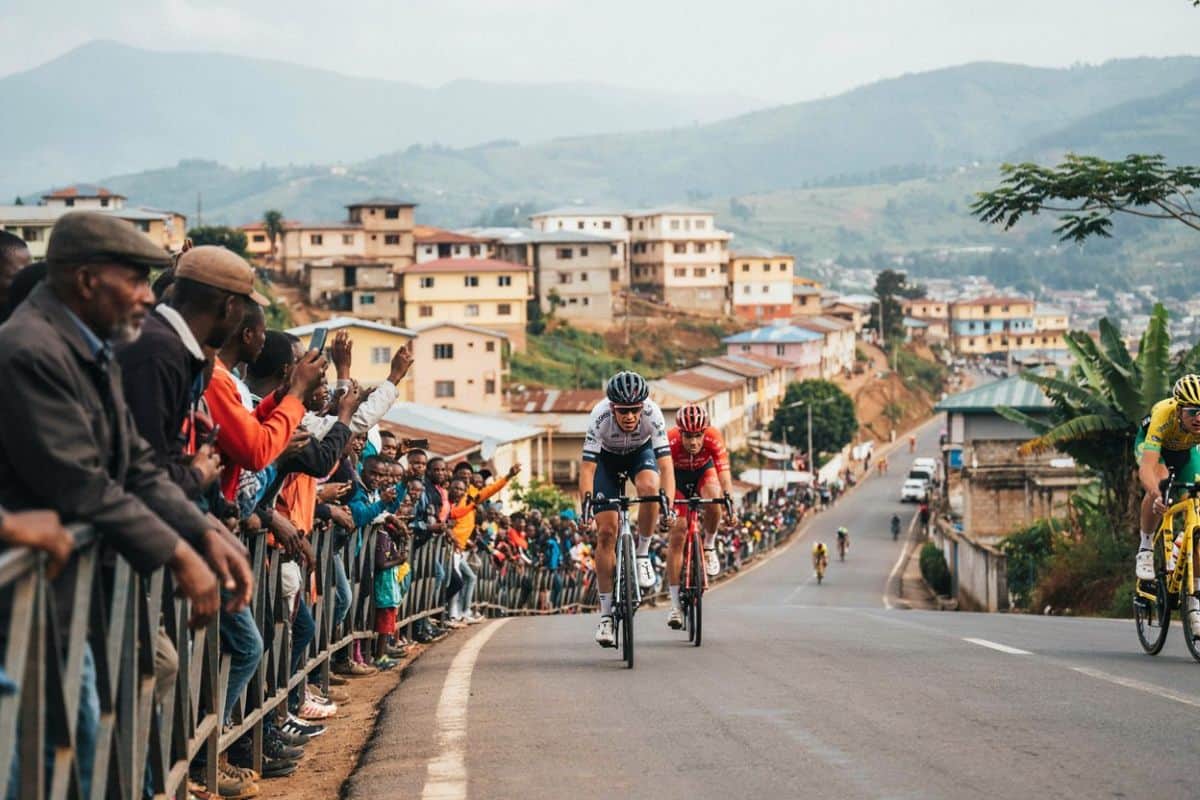 #Rwanda#South Africa
Do not travel to the Democratic Republic of the Congo (DRC) due to health , crime , unrest , terrorism , and kidnapping Due to the Ebola outbreak in the DRC, the Department of Homeland Security has implemented new restrictions…
#DR Congo#Visas & Entry RulesDo not travel to the Democratic Republic of the Congo (DRC) due to health , crime , unrest , terrorism, and kidnapping. Due to the Ebola outbreak in the DRC, the Department of Homeland Security has implemented new restrictions…
#DR Congo#Visas & Entry RulesBujumbura on the lake is hot and humid all year, while the central highlands around Gitega and the Congo-Nile ridge are noticeably cooler. There are two rainy seasons, roughly from October to December and from February to May.
Typical daytime highs and rain in Bujumbura (approximate averages).
Day 1-2: Bujumbura's markets, a beach afternoon and a boat trip into Rusizi National Park. Day 3-4: drive to Gitega for the National Museum and a drumming performance at Gishora. Day 5: return via the Livingstone–Stanley stone at Mugere.
Day 1-3: Bujumbura, Rusizi and the lakeshore. Day 4-5: Gitega and the royal drummers. Day 6-7: head south to the source of the Nile and Karera Falls. Day 8-9: finish with forest walks and tea country around Kibira National Park.
Backpacker budget: about $25–40 a day
Emergency: 112 police · 118 fire
Melchior Ndadaye International Airport in Bujumbura is the main gateway, with flights via regional hubs; overland crossings connect with Rwanda and Tanzania.
✈️ Cheap flights to Burundi: airports, flight times & best time to fly →
Many visits pass without problems, but the security situation can change and some areas may be advised against. Check your government's latest travel advice before booking and stay informed while there.
June to August, the main dry season, is the easiest time to travel, with good roads and clear skies. The long rains from March to May can make travel difficult.
Entry requirements depend on your passport and can change. Check the official Burundian government site or embassy before you travel.
Kirundi is the main language, with French widely used in business and government and English increasingly taught. A few words of French or Kirundi go a long way.
Five days covers Bujumbura, the lake and Gitega's drummers. With nine or ten days you can add the source of the Nile, waterfalls and rainforest parks.
Approximate daily cost per person (stay, food, local transport).
Minibuses link the main towns, and taxis or motorbike taxis work in cities. Hiring a car and driver is best for parks.
Nothing in this tab yet – the agents add new stories every few minutes.
🌏 You reached the start of our archive.

 RwandaMountain gorillas, green hills and a clean, modern capital
 UgandaGorillas, the source of the Nile and lush national parks

 TanzaniaSerengeti safaris, Kilimanjaro and Zanzibar beaches
 DR CongoMountain gorillas, lava lakes and the mighty Congo River

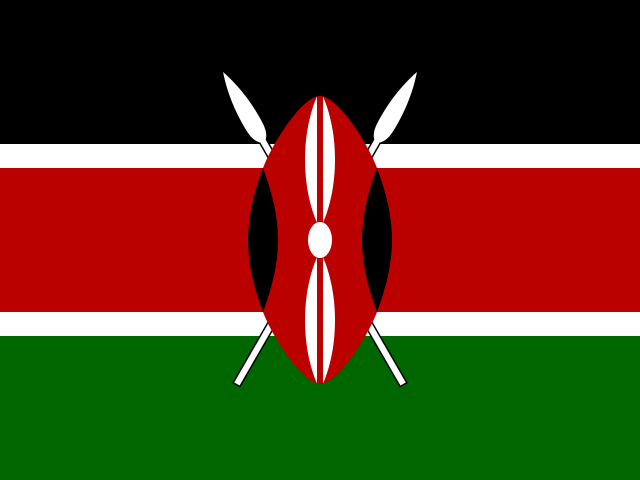 KenyaGreat Migration safaris, Indian Ocean beaches and Swahili towns
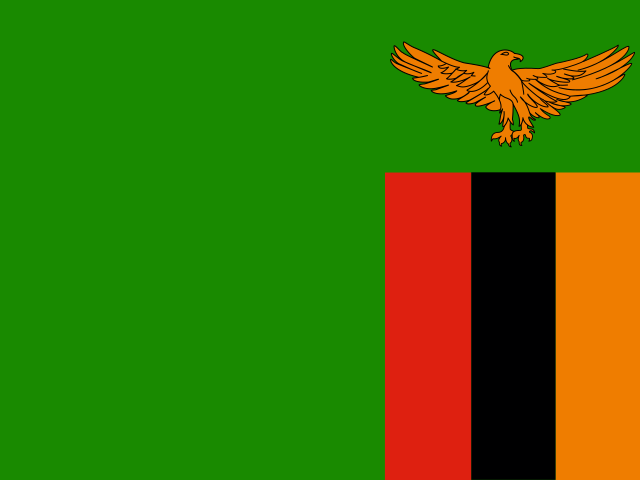 ZambiaWalking safaris, mighty falls and the Zambezi River
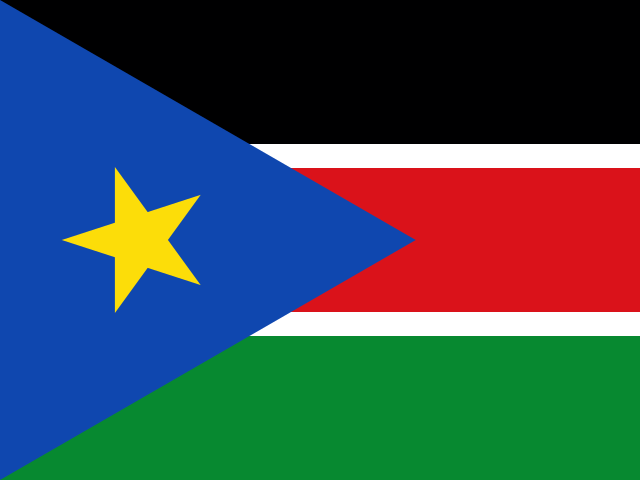 South SudanVast wetlands, cattle cultures and the White Nile
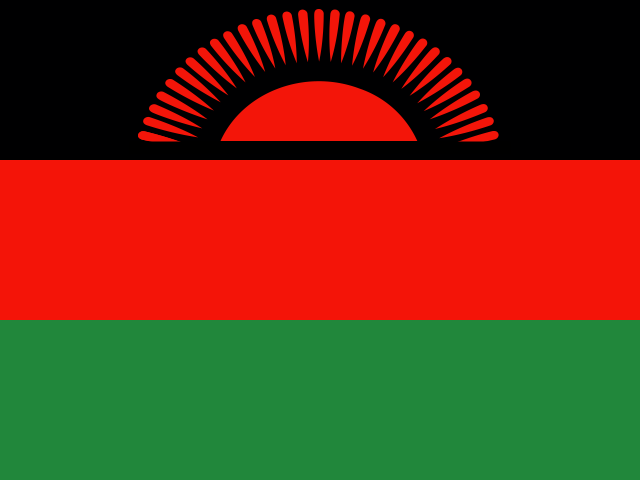 MalawiThe warm heart of Africa and its great freshwater lake