Before Europeans arrived, Cuba was home to the Taíno, farmers who grew cassava and lived in villages of thatched huts, as well as older groups such as the Guanahatabey in the far west. Christopher Columbus landed in 1492, and from 1511 the Spanish conquered the island, founding towns such as Baracoa, Trinidad, Santiago de Cuba and Havana. Disease, forced labour and violence devastated the Indigenous population within a few decades.
Havana became a key port for Spanish treasure fleets, guarded by mighty fortresses. From the late eighteenth century sugar and tobacco plantations expanded rapidly, worked by large numbers of enslaved Africans whose cultures, religions and rhythms profoundly shaped Cuban identity. Independence wars broke out in 1868 and 1895, led by figures such as Carlos Manuel de Céspedes, Antonio Maceo and the poet José Martí. Slavery was abolished in 1886, and after the Spanish–American War of 1898 Cuba became formally independent in 1902, though under strong US influence.
Read the full history
The first half of the twentieth century brought sugar booms, political instability and the rise of Havana as a glamorous destination. In 1959 the revolution led by Fidel Castro overthrew the Batista government, and Cuba became a socialist state allied with the Soviet Union, leading to a long US embargo and the 1962 Missile Crisis. After the Soviet collapse in 1991 the island went through severe hardship, and tourism grew into a vital part of the economy. Raúl Castro succeeded his brother in 2008, followed by Miguel Díaz-Canel in 2018.
For visitors, Cuba's layered history is part of its magic: colonial plazas in Old Havana and Trinidad, vintage American cars, revolutionary landmarks, tobacco farms in Viñales and an extraordinary music and dance culture that blends Spanish and African roots.
Timeline
1492Columbus lands on Cuba's northeast coast
1519Havana established at its present site
1868First war of independence begins
1886Slavery abolished
1902Cuba becomes an independent republic
1959Revolution brings Fidel Castro to power
1962Cuban Missile Crisis
1982Old Havana and its fortifications listed by UNESCO
Cuba🛂 Visa & entry
Entry rules depend on your passport and change often.
Before you book, check the official rules for your passport:
Cuba Aligns with UK and More as Interline Networks Boost Aviation Growth and Global Passenger Travel Worldwide Discover how IATA interline agreements and BSP financial systems quietly power global travel, uniting world airlines…
Miami Goes Beyond the Beach With Art Deco Icons, Cuban Culture and Tropical Adventures: Everything You Need to Know Discover Miami through South Beach, Little Havana, Wynwood, Biscayne Bay, Coconut Grove and nearby Everglades…
Wander Old HavanaLose yourself among the colonial plazas, crumbling mansions and lively street life of La Habana Vieja.
Ride in a classic carCruise the Malecón seafront in a gleaming 1950s convertible as the sun sets over the sea.
Dance to live son and salsaJoin locals at a Casa de la Música or neighbourhood bar where bands play late into the night.
Visit tobacco farms in ViñalesHike or ride horses through a valley of limestone mogotes and learn how cigars are rolled by hand.
Step back in time in TrinidadStroll cobbled streets lined with pastel colonial houses in this UNESCO-listed town.
Stay in a casa particularSleep in a family home and enjoy hearty home-cooked breakfasts and local insight.
Relax on Cayo beachesLounge on the white sands of Cayo Santa María, Cayo Levisa or Varadero beside turquoise water.
Explore Santiago de CubaFeel the Afro-Caribbean beat of Cuba's second city and visit the clifftop Castillo del Morro.
Snorkel at the Bay of PigsSwim in clear cenote-like pools and coral reefs near Playa Girón.
Watch the cannon ceremonySee the nightly firing of the cannon at La Cabaña fortress across the harbour from Havana.
Cuba🗺️ Where to visit in Cuba
Where to go in Cuba
HavanaCapital · culture & architectureA captivating city of colonial squares, Art Deco buildings, music venues and the iconic Malecón.
ViñalesPinar del Río · countrysideA lush valley of tobacco fields and limestone hills, perfect for hiking, cycling and caving.
TrinidadSancti Spíritus · colonial townOne of the best-preserved colonial towns in the Caribbean, with nearby beaches and waterfalls.
CienfuegosSouth coast · French-influenced cityAn elegant bayside city with neoclassical architecture and a grand central park.
Santiago de CubaEast · music & historyThe heartland of Cuban son and Afro-Cuban culture, rich in revolutionary history.
VaraderoMatanzas · beach resortA long, white-sand peninsula with calm water and many all-inclusive resorts.
📍
BaracoaFar east · nature & historyCuba's oldest town, surrounded by rainforest, rivers and cacao plantations.
📍
Jardines del ReyNorth cays · beachesA chain of islands including Cayo Coco and Cayo Guillermo, linked by causeway to the mainland.
Cuba✨ Must-do experiences
Ride in a classic 1950s convertible along Havana's Malecón
Dance salsa at a live music club
Visit a tobacco farm in the Viñales Valley
Stay with a local family in a 'casa particular'
Cuba🍽️ Taste of Cuba
Ropa vieja – shredded beef in tomato sauce
Moros y cristianos – black beans cooked with rice
Lechón asado – slow-roasted pork
Yuca con mojo – boiled cassava with garlic and citrus sauce
Cuba🌦️ Weather & best time to visit Cuba
Best time to visit Cuba
Cuba has a tropical climate with a dry season from November to April and a rainy season from May to October. The east around Santiago is usually hotter and drier than the west.
BestDecember–April – the dry season brings warm, sunny days and lower humidity across the island.
ShoulderNovember and May – fewer crowds and lower prices, with occasional showers.
AvoidNo bad time – but August to October brings the most rain, heat, humidity and the peak of hurricane season.
26°💧Jan
27°💧Feb
28°💧Mar
29°💧Apr
30°💧💧May
31°💧💧Jun
32°💧💧Jul
32°💧💧Aug
31°💧💧💧Sep
29°💧💧Oct
28°💧Nov
27°💧Dec
Typical daytime highs and rain in Havana (approximate averages).
Cuba🎉 Festivals & events in Cuba
August
Havana CarnivalParades of floats, comparsas and dancers fill the Malecón during summer weekends.
July
Santiago de Cuba CarnivalCuba's most famous carnival, packed with conga lines, drums and Afro-Cuban traditions.
January
Havana International Jazz FestivalLeading Cuban and international musicians perform in venues across the capital.
December
Festival of New Latin American CinemaHavana's renowned film festival showcases cinema from across Latin America.
24 December
Las Parrandas de RemediosRival neighbourhoods compete with giant floats, fireworks and music in a spectacular Christmas Eve celebration.
Cuba🧭 Cuba itinerary ideas
How many days in Cuba?
7 daysHavana, Viñales & Trinidad
Day 1-3: explore Havana's old town, Malecón and music scene. Day 4-5: Viñales Valley for hiking and tobacco farms. Day 6-7: Trinidad's colonial streets and nearby Playa Ancón.
14 daysCoast to coast Cuba
Day 1-3: Havana. Day 4-5: Viñales. Day 6: Bay of Pigs snorkelling. Day 7: Cienfuegos. Day 8-10: Trinidad and the Valle de los Ingenios. Day 11-14: travel east to Santiago de Cuba and Baracoa.
Cuba🎒 Backpacking Cuba – tips & hacks
Backpacker budget: about $40–60 a day
Casas particulares (family-run guesthouses) are the best-value places to stay and often serve excellent meals.
Long-distance tourist buses link major towns, but shared taxis (colectivos) can be quicker and similarly priced when split.
Internet access is limited; download offline maps and translation apps before you arrive.
Supplies of everyday items like medicines, sunscreen and toiletries can be scarce, so bring what you need.
Eat at local paladares and street stalls for filling Cuban dishes at much lower prices than tourist restaurants.
Cuba🛡️ Safety & money in Cuba
Stay safe
Violent crime against tourists is rare, but watch out for pickpockets and scams in Havana.
Be wary of friendly strangers ('jineteros') steering you to particular restaurants, casas or cigar sellers.
Power cuts and shortages occur; carry a torch and keep a reserve of water and snacks.
Check your government's latest travel advice, as conditions on the island can change.
Money
Cash is still essential in Cuba; foreign cards, especially those issued by US banks, often don't work.
Bring enough cash for your trip and check the latest advice on currencies and exchange options before you go, as rules change frequently.
Tipping is appreciated and important for local incomes – leave something for guides, drivers, musicians and casa hosts.
Emergency: 106 police · 104 ambulance · 105 fire
Cuba🛬 Getting to Cuba
Most international flights arrive at Havana's José Martí International Airport (HAV), with others landing at Varadero, Santa Clara, Holguín and Cayo Coco. There are no regular international ferry services.
The bee hummingbird, found in Cuba, is the smallest bird in the world.
Ernest Hemingway lived near Havana for about two decades and his home is now a museum.
Many of the American cars on Cuban roads date from before 1960 and are kept running with ingenious repairs.
Old Havana's fortress system was one of the largest in the Americas, built to protect Spain's treasure fleets.
Cuba❓ Cuba travel FAQ
Cuba travel questions
Is Cuba safe for tourists?
Cuba is generally safe for tourists, with low levels of violent crime. Petty theft and scams do occur, and shortages and power cuts can affect travel, so check your government's latest advice before you go.
When is the best time to visit Cuba?
December to April offers dry, sunny weather. Summer is hot and humid, and September and October carry the highest hurricane risk.
How many days do you need in Cuba?
A week covers Havana, Viñales and Trinidad. Two weeks lets you add Cienfuegos, beaches and the east of the island.
Do I need a visa or tourist card for Cuba?
Entry requirements depend on your passport and where you fly from, and some nationalities face extra rules. Check the official Cuban embassy information and your own government's guidance before you travel.
Can I use my bank card in Cuba?
Often not – many foreign cards, and all US-issued cards, may not work. Bring enough cash for your trip and check the latest guidance before departure.
Cuba💰 What a trip costs
$$price level
$40–60backpacker / day
$90–160mid-range / day
Approximate daily cost per person (stay, food, local transport).
Cuba🚌 Getting around
Viazul tourist buses and shared taxis called colectivos link the main towns. In cities, classic-car taxis and bicycle taxis are common.
Cuba🛕 Sacred & spiritual places
Basilica of El Cobre – Shrine of Cuba's patron saint, the Virgin of Charity
Havana Cathedral – Baroque cathedral on one of Old Havana's most beautiful squares
Cuba🤝 Local etiquette
Bring enough cash – many foreign bank cards do not work here
Ask before taking photos of people
Greet hosts warmly; family-run homes and restaurants are the norm
Nothing in this tab yet – the agents add new stories every few minutes.
📰 Older Cuba stories Everything our agents ever found – keeps loading as you scroll


.jpg/1920px-Vi%C3%B1ales_(3031760474).jpg)


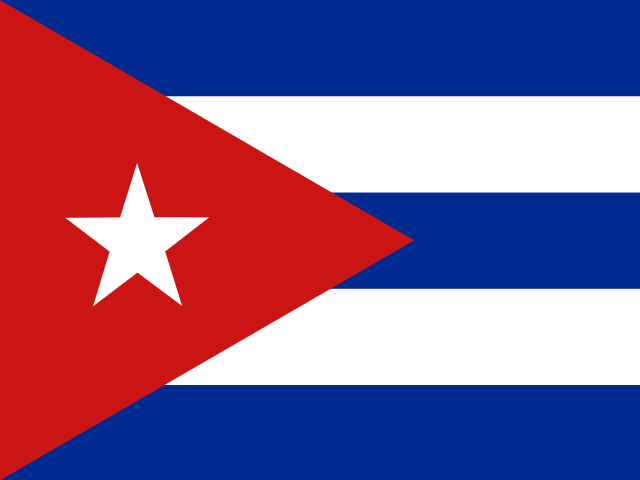
 Havana
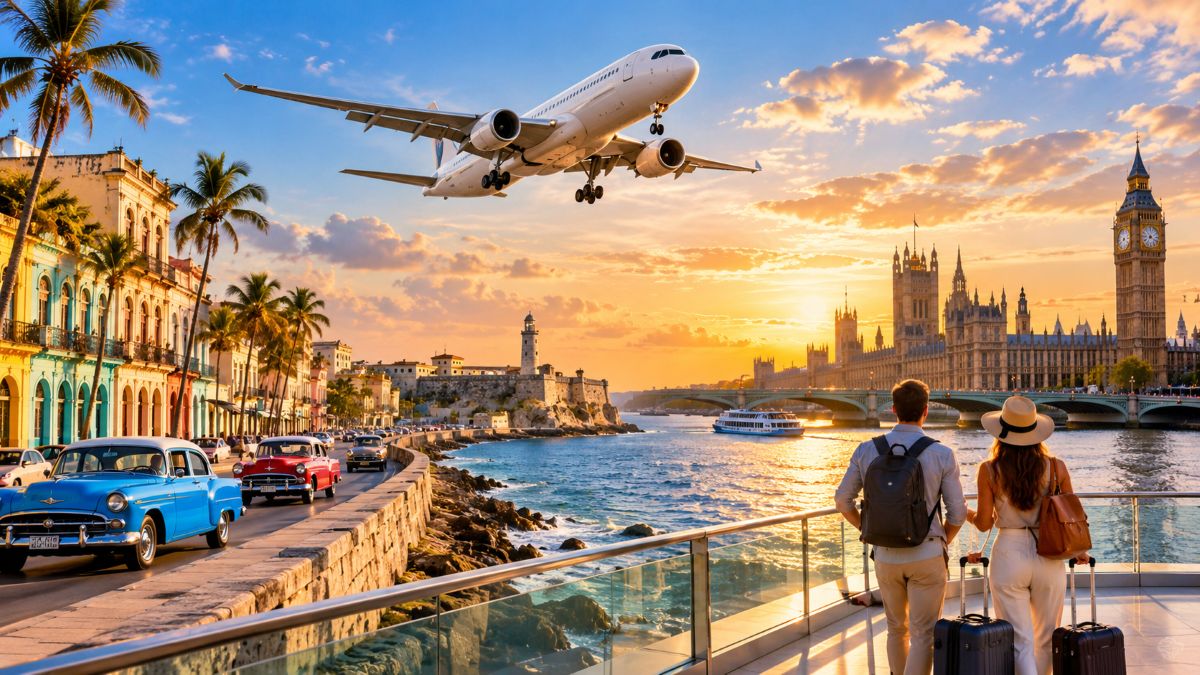 #Cuba#United Kingdom
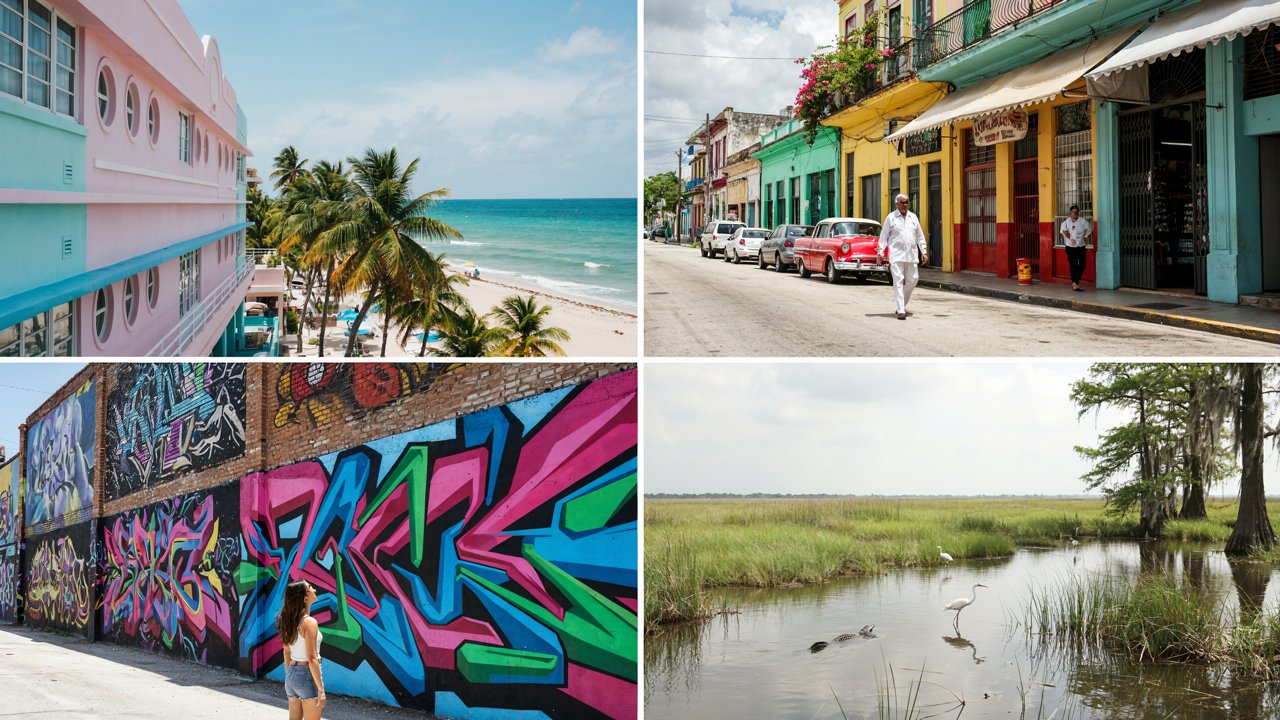 #United States#Cuba


 BahamasHundreds of islands, swimming pigs and crystal-clear water
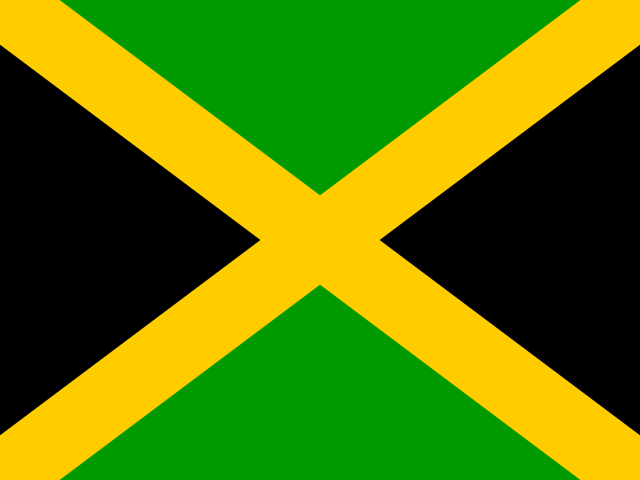 JamaicaReggae rhythms, jerk spice and turquoise Caribbean bays
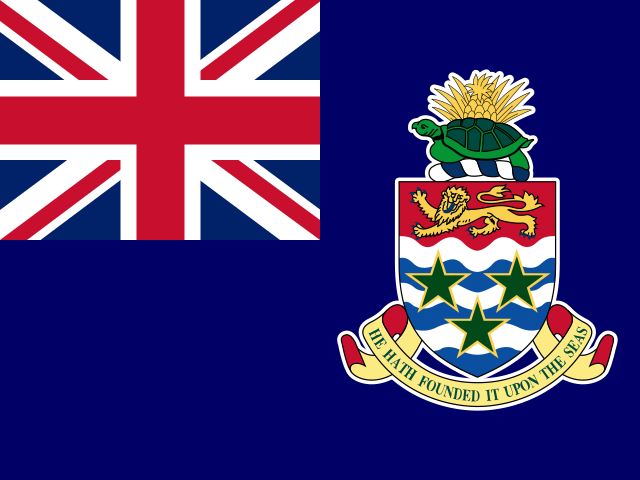 Cayman IslandsClear water, friendly stingrays and world-class diving
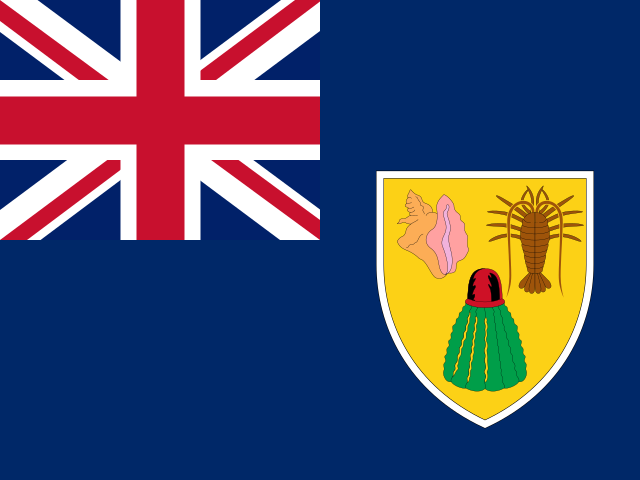 Turks and Caicos IslandsPowder-white beaches and some of the clearest water anywhere
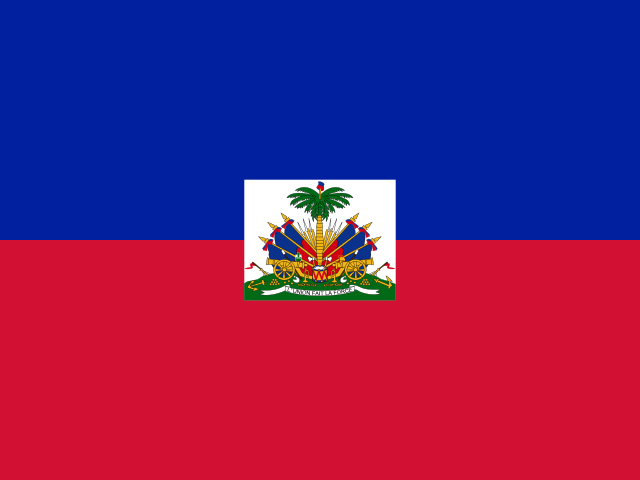 HaitiMountain fortresses, Creole art and a proud island history
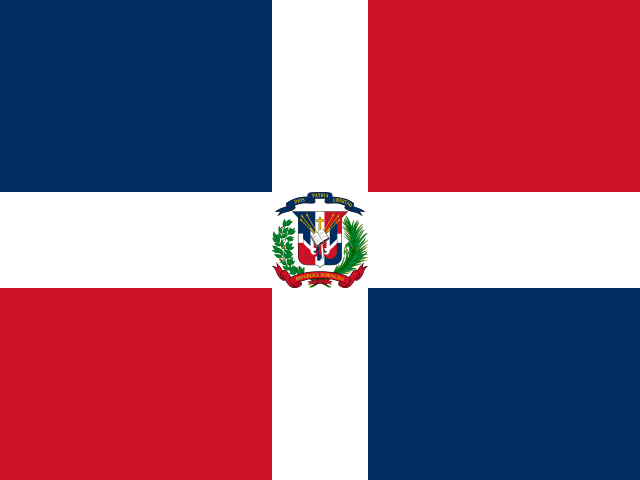 Dominican RepublicPalm-lined beaches, merengue beats and colonial history
.jpg/500px-Pico-Bonito_(12122463094).jpg)
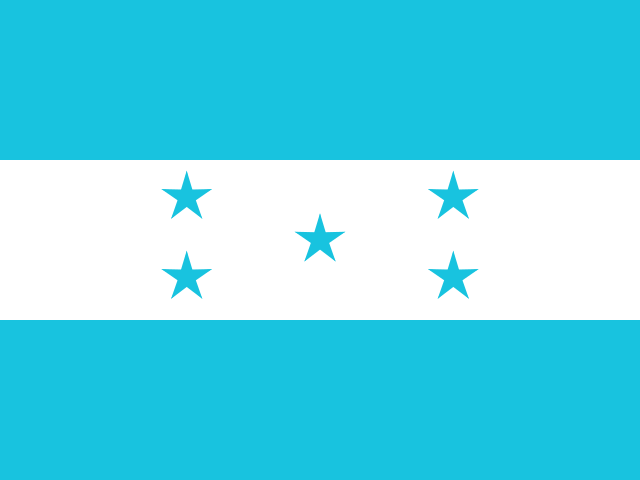 HondurasCaribbean reefs, Maya ruins and cloud-forest mountains
_(16912331906).jpg/500px-Belize_Blue_Hole_(TMP)_(16912331906).jpg)
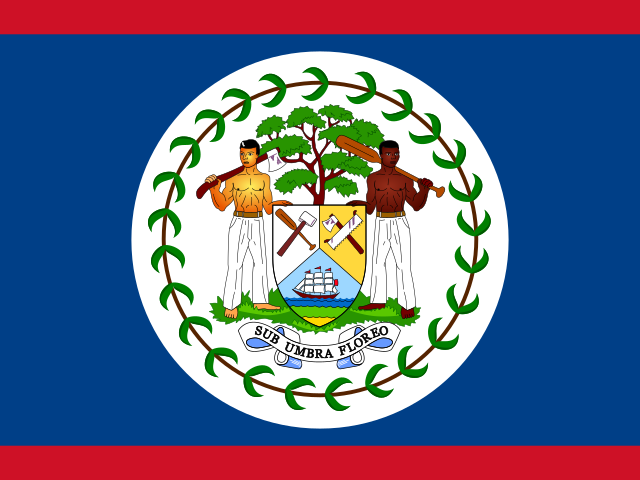 BelizeBarrier reef islands, Maya temples and jungle adventures