


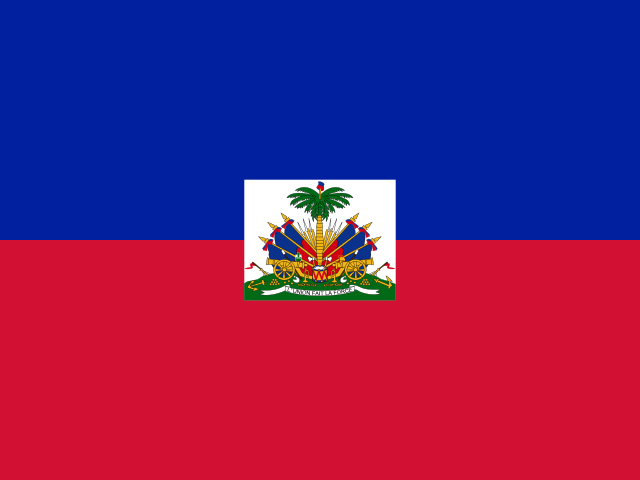
Haiti📸 Photo album · 7 photos · Ultra-HD
Mountain fortresses, Creole art and a proud island history
🕒 –:– local time3 stories this week2 sources 6 top placesCapital Port-au-Prince
Haiti occupies the western third of the island of Hispaniola, which its Taíno inhabitants called Ayiti, meaning land of high mountains. The Taíno lived in chiefdoms, farming cassava and maize and carving stone ceremonial objects. Christopher Columbus arrived in 1492, and his flagship Santa María was wrecked off the north coast. Spanish colonisation, forced labour and introduced diseases devastated the Taíno population within a few decades.
France gained the western part of the island in 1697 and named it Saint-Domingue. Enslaved Africans, brought in vast numbers, worked sugar and coffee plantations that made it the most profitable colony in the Caribbean. In 1791 the enslaved population rose up in a revolution led by figures such as Toussaint Louverture and Jean-Jacques Dessalines, and on 1 January 1804 Haiti declared independence, becoming the first nation founded after a successful revolt by enslaved people and the first independent Black republic.
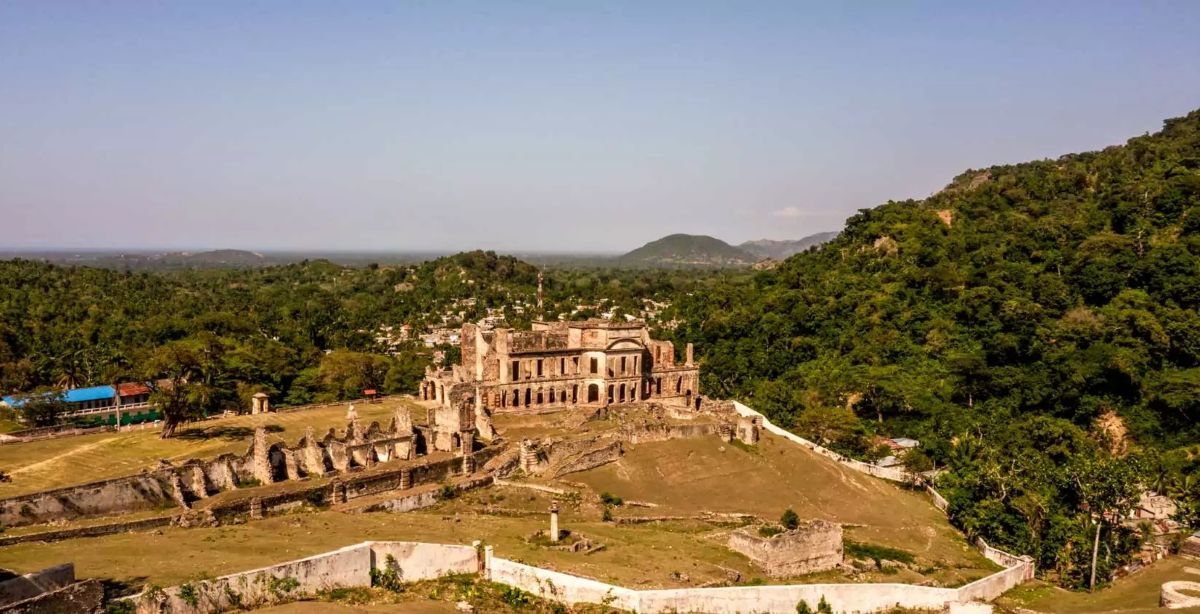
The young nation built mighty defences, including the Citadelle Laferrière, but faced international isolation and a crushing indemnity demanded by France in 1825. The nineteenth and twentieth centuries brought political instability, a United States occupation from 1915 to 1934, and the long Duvalier dictatorship that ended in 1986. In 2010 a powerful earthquake struck near Port-au-Prince, and the country has continued to face serious political and security challenges.
Haiti's culture remains extraordinarily rich: Vodou traditions, vibrant naive painting and metal art, compas music, and a Creole language spoken by everyone. For travellers, it holds UNESCO-listed revolutionary monuments in the north, colourful colonial towns, waterfalls and mountain scenery, though current security conditions mean most governments advise against visiting.
Entry rules depend on your passport and change often.
Before you book, check the official rules for your passport:
The latest visa and entry news for Haiti appears below as soon as publishers report it.
Haiti Revolutionizing Modern Connectivity And Unstoppable Hospitality Travel Power Across The Caribbean, Find Out Now Discover how Haiti is emerging as a dynamic Caribbean tourism powerhouse through smarter travel solutions…
 #Haiti
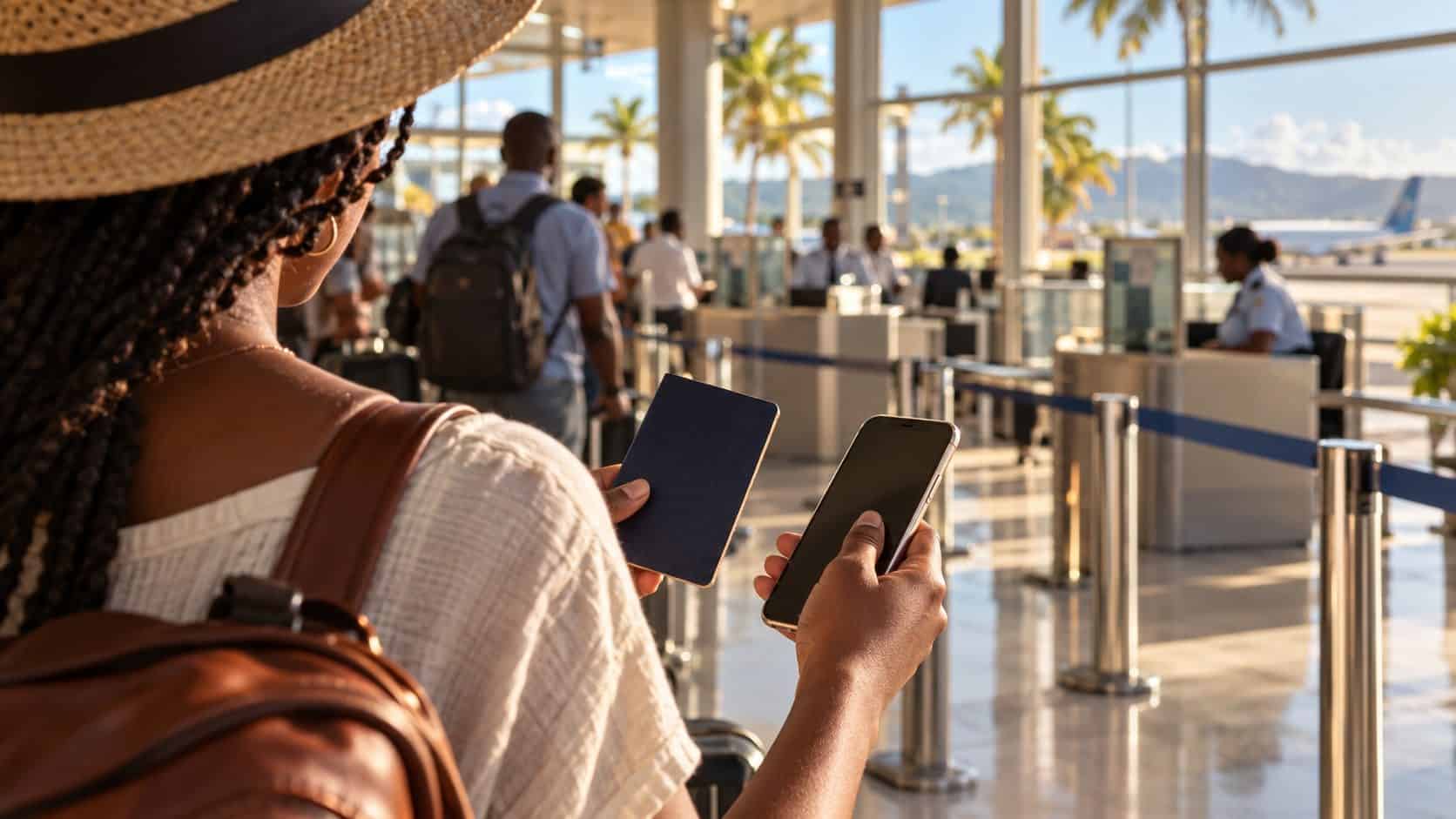
Haiti Makes Digital Entry and Exit Forms Mandatory for International Travel Haiti now requires international travellers to complete the digital iKat form for both arrival and departure. The rule took effect on 1 October 2026…
 #Haiti
There was no change to the advisory level or risk indicators. Advisory summary was updated to reflect changes to U.S. embassy operations. Do Not Travel to Haiti due to the risk of crime , kidnapping , terrorism , unrest , and…
#Haiti#United States#Visas & Entry RulesHaiti has a hot tropical climate, cooler in the mountains. Rain falls mainly in two seasons, around April–May and August–October, and hurricanes are possible from June to November.
Typical daytime highs and rain in Port-au-Prince (approximate averages).
Only if official advice permits and with trusted local support: Day 1 arrive in Cap-Haïtien and walk the old town. Day 2 visit the Citadelle and Sans-Souci Palace. Days 3-4 relax at nearby beaches before departure.
Only if official advice permits and with trusted local support: Days 1-3 Cap-Haïtien and the Citadelle. Days 4-6 Jacmel and Bassin Bleu. Days 7-8 the southern coast around Port-Salut or Île-à-Vache.
Backpacker budget: about $40–70 a day
Emergency: 114 police · 115 fire · 116 ambulance
Haiti's main international airports are in Port-au-Prince and Cap-Haïtien, though flights are frequently disrupted. Land crossings with the Dominican Republic exist but are subject to closures, so check the latest situation.
✈️ Cheap flights to Haiti: airports, flight times & best time to fly →
No – most governments currently advise against all travel to Haiti due to severe insecurity, including kidnapping and gang violence. Check your government's latest travel advice before making any plans.
December to March is driest and most comfortable. Late summer and autumn bring the highest hurricane risk.
Haiti is famous for its 1804 revolution, the Citadelle Laferrière, vibrant art and music, and Vodou culture. Its cuisine and Creole language are also important parts of its identity.
It depends on your passport – rules vary by nationality. Check the official government site or embassy before you travel.
Everyone speaks Haitian Creole, and French is also official, used in education and government. English is understood by some people in tourism and business.
Approximate daily cost per person (stay, food, local transport).
Most visitors use private drivers or organised tours, as roads can be slow. Brightly painted tap-taps are the local shared transport.
Nothing in this tab yet – the agents add new stories every few minutes.
🌏 You reached the start of our archive.

 Dominican RepublicPalm-lined beaches, merengue beats and colonial history
 Turks and Caicos IslandsPowder-white beaches and some of the clearest water anywhere
 JamaicaReggae rhythms, jerk spice and turquoise Caribbean bays
 Puerto RicoColonial forts, rainforest and glowing bays in the Caribbean

 CubaClassic cars, salsa music and colourful colonial towns

 BahamasHundreds of islands, swimming pigs and crystal-clear water
 ArubaSunny, breezy island of white beaches and desert landscapes
 U.S. Virgin IslandsNational-park beaches and Danish colonial towns