Aruba📸 Photo album · 6 photos · Ultra-HD

_at_Eagle_Beach,_Aruba_2019.jpg/1920px-Mangrove_tree_(Conocarpus_erectus)_at_Eagle_Beach,_Aruba_2019.jpg)


Sunny, breezy island of white beaches and desert landscapes
🕒 –:– local time4 stories this week5 sources 6 top placesCapital Oranjestad
Long before cruise ships arrived, Aruba was home to the Caquetío, an Arawak-speaking people who crossed from the nearby Venezuelan coast. They fished, gathered and farmed, and left behind pottery and red-brown rock paintings that can still be seen in the caves and boulder fields of Arikok and Ayo. Spanish explorers reached the island around 1499 but, finding it too dry for plantations, labelled it one of the 'useless islands' and shipped many of its people away to work elsewhere.
The Dutch took control in 1636 during their long war with Spain, using Aruba mainly to raise livestock and as a lookout for nearby Curaçao. Because large plantations never developed, the island's society grew differently from much of the Caribbean, mixing Indigenous, European and African heritage. A small gold rush in the 19th century left ruined smelters on the rugged north coast, followed by a boom in aloe cultivation that once made Aruba one of the world's leading aloe exporters.
In the 20th century a huge oil refinery at San Nicolas brought workers from across the Caribbean and beyond, shaping Aruba's multilingual, cosmopolitan character. Aruba's people pushed for more self-rule, and in 1986 the island gained 'Status Aparte', becoming a separate country within the Kingdom of the Netherlands rather than part of the Netherlands Antilles. Tourism soon became the backbone of the economy, built on reliable sunshine and white-sand beaches.
Today visitors find a friendly, safe island where Papiamento, Dutch, English and Spanish are heard in the same conversation. Beyond the resort beaches, travellers can explore Caquetío rock art, gold-mining ruins, the pastel colonial facades of Oranjestad and the colourful murals of San Nicolas, all of which tell the story of this small but distinctive island.
Entry rules depend on your passport and change often.
Before you book, check the official rules for your passport:
The latest visa and entry news for Aruba appears below as soon as publishers report it.
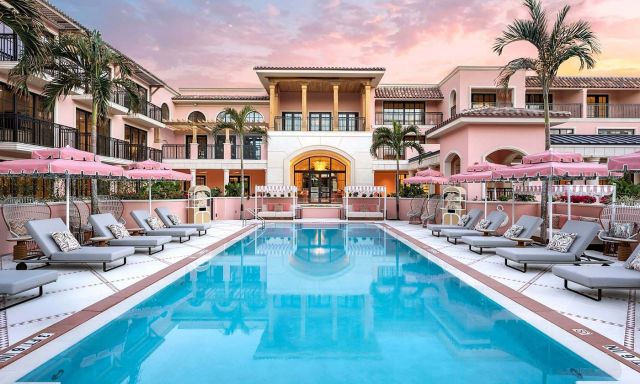
Palm Beach hotels aren’t exactly known for being affordable, but fall and winter can still bring some surprisingly good rates. Palm House () is a 79-room boutique hotel on Royal Palm Way, just a short walk from Worth Avenue and…
 #Aruba#Palm Beach#Deals & Budget
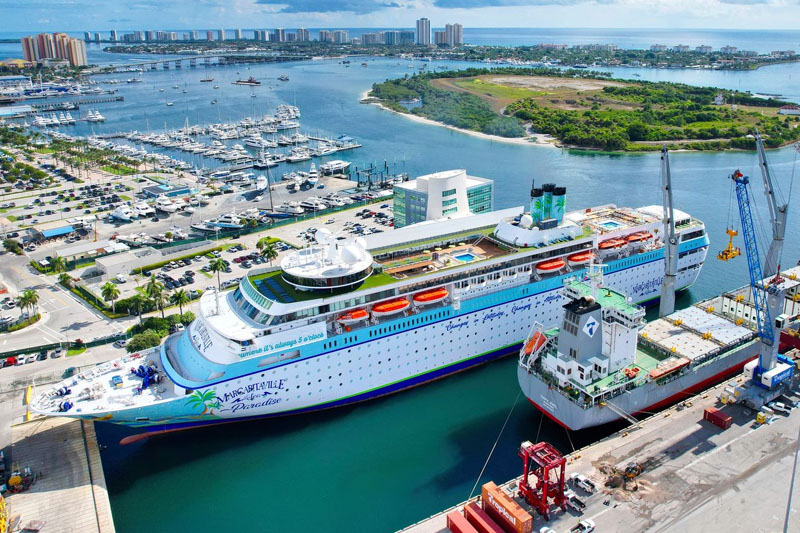
The Port of Palm Beach is in talks with a number of cruise companies as it looks to grow its cruise business and make its terminal accessible to more vessels, said Michael Meekins, the port’s executive director. “We completed a…
 #Aruba#Palm Beach#Cruises
Exercise normal precaution in Aruba Aruba is generally a safe destination for travelers. Petty crime is most likely to occur in popular tourist locations. Stay aware of your surroundings. Most crimes against foreigners are crimes…
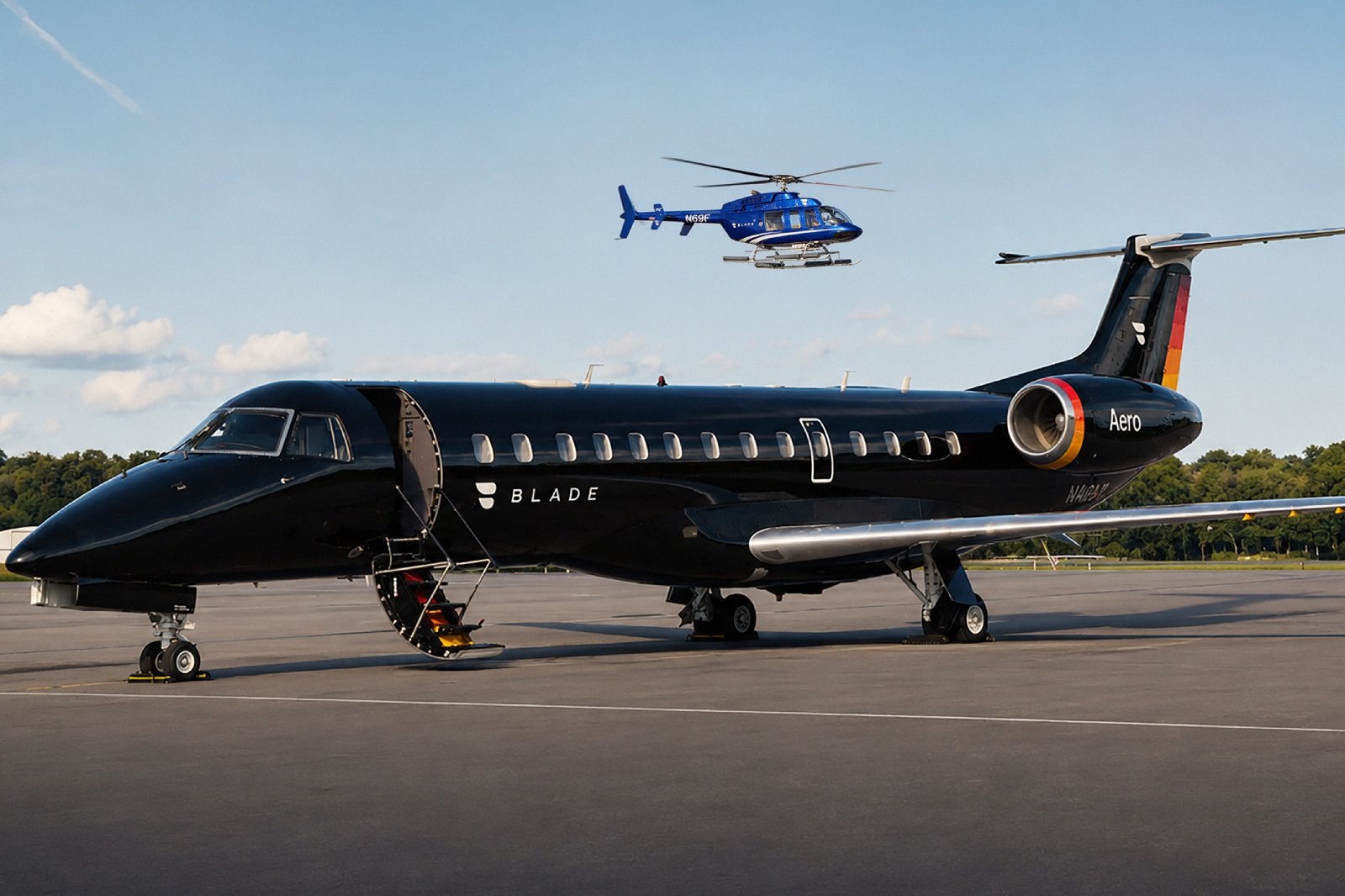
#Aruba#Visas & Entry RulesBlade will launch semi-private scheduled jet service between New York and Palm Beach and Miami in Florida, taking on JSX.
 #United States#Aruba#Points & Miles
👉 Jump to: Best Things | Miami | Fort Lauderdale | Florida Keys | Palm Beach | SW Coast Beach days, museum visits, cultural experiences, and outdoor adventures are just a handful of the many fun things to do in South Florida. I…
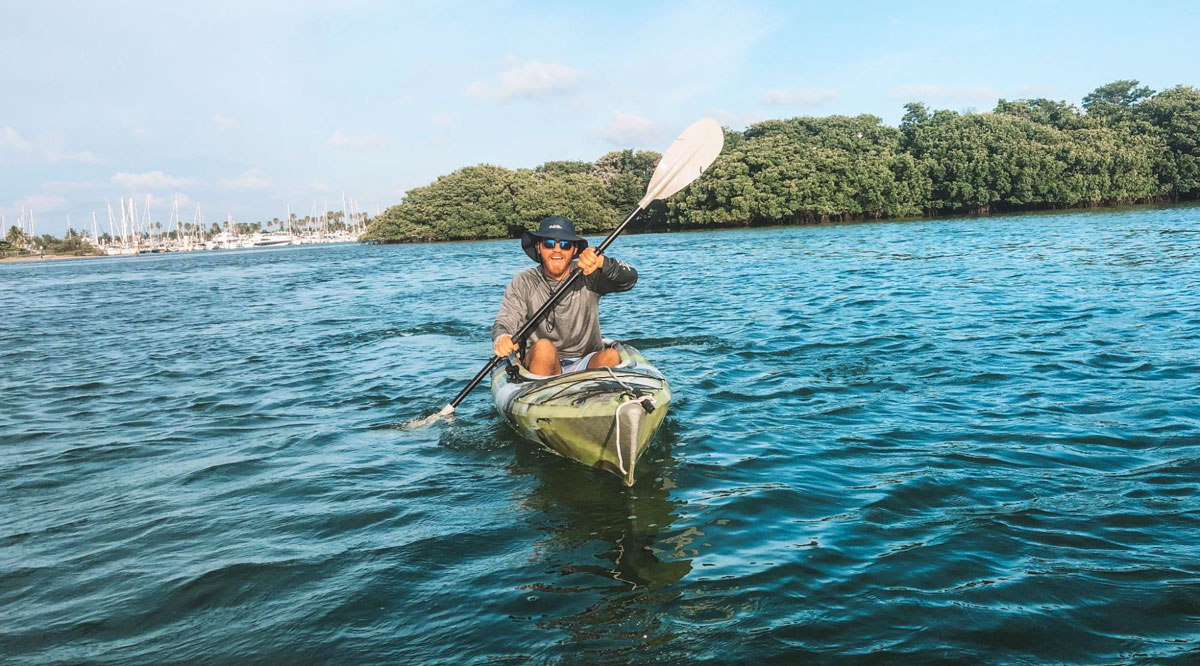 #United States#Aruba#Destinations
Aruba has a semi-arid tropical climate with steady trade winds and little rain all year. Temperatures barely change between seasons, with a short, light rainy period late in the year.
Typical daytime highs and rain in Oranjestad (approximate averages).
Day 1 Eagle and Palm beaches, Day 2 Oranjestad and an evening at the California Lighthouse. Day 3 snorkel the Antilla wreck and Arashi Beach, Day 4 a 4x4 trip through Arikok to the Natural Pool.
Day 1-3 beaches, snorkelling and Oranjestad. Day 4-5 hike Arikok, the caves and Ayo rocks, Day 6 San Nicolas murals and Baby Beach. Day 7-8 kitesurfing lessons or a day sailing trip and long sunsets.
Backpacker budget: about $120–170 a day
Emergency: 911 police, fire & ambulance
Queen Beatrix International Airport near Oranjestad has direct flights from North America, Europe and South America. Cruise ships dock right in Oranjestad's harbour.
✈️ Cheap flights to Aruba: airports, flight times & best time to fly →
Yes, Aruba is considered one of the safest islands in the Caribbean. Use normal precautions with valuables and be careful of strong currents on the north coast.
Aruba is sunny all year, but January to April is the driest and most popular period. It is also outside the main hurricane belt, making summer and autumn good value too.
Four to five days covers the main beaches, Oranjestad and Arikok National Park. A week lets you add diving, kitesurfing and plenty of beach time.
It depends on your passport. Check the official government site or embassy before you travel, as there may also be an online entry form to complete.
Papiamento and Dutch are official, and almost everyone also speaks English and Spanish. Getting around in English is easy.
Approximate daily cost per person (stay, food, local transport).
Arubus public buses run along the main coast, and taxis are easy to find. Rent a car or jeep to explore the wilder east side.
Nothing in this tab yet – the agents add new stories every few minutes.
🌏 You reached the start of our archive.

 CuracaoCandy-coloured waterfront and hidden beach coves
 Dominican RepublicPalm-lined beaches, merengue beats and colonial history
 Puerto RicoColonial forts, rainforest and glowing bays in the Caribbean
 HaitiMountain fortresses, Creole art and a proud island history
.JPG/500px-Sur_de_M%C3%A9rida_(Venezuela).JPG)
 VenezuelaThe world's tallest waterfall, tabletop mountains and Caribbean isles
 U.S. Virgin IslandsNational-park beaches and Danish colonial towns
 British Virgin IslandsSailing paradise of calm bays and island-hopping
 GrenadaThe Spice Isle of nutmeg, rainforest and white-sand bays