.jpg/1920px-Pico-Bonito_(12122463094).jpg)


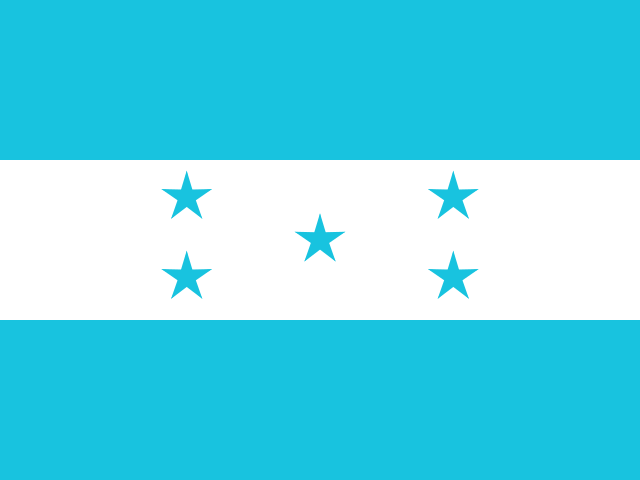
Honduras📸 Photo album · 6 photos · Ultra-HD
Caribbean reefs, Maya ruins and cloud-forest mountains
🕒 –:– local time2 stories this week2 sources 6 top placesCapital Tegucigalpa
Honduras has been home to diverse Indigenous peoples for thousands of years. In the far west, the Maya built the great city of Copán, which flourished between the 5th and 9th centuries AD and became famous for its finely carved stelae, ball court and Hieroglyphic Stairway, the longest known Maya inscription. Elsewhere lived the Lenca, Pech, Tolupan and other peoples, while the dense Mosquitia rainforest still hides ancient settlements researchers are only now uncovering.
Christopher Columbus sailed along the coast in 1502 on his final voyage, reportedly naming the land after the deep waters ('honduras') off its shore. Spanish conquest followed in the 1520s and 1530s, met by resistance led by the Lenca chief Lempira, who is honoured on the national currency. Silver mining shaped colonial towns such as Comayagua and Tegucigalpa, while the Caribbean coast was contested by the British, pirates and the Miskito people.
Honduras gained independence from Spain in 1821 and, after the Central American federation dissolved, became a separate republic in 1838. In the late 19th and early 20th centuries, foreign fruit companies developed huge banana plantations on the north coast – the origin of the phrase 'banana republic'. The 20th century brought periods of military rule, and civilian government returned in the 1980s. Hurricanes, notably Mitch in 1998, have also shaped the country's recent history.
Today visitors discover a nation of contrasts: the Maya ruins of Copán, Caribbean beaches and reefs on the Bay Islands, Garifuna villages with Afro-Indigenous culture, colonial churches and cloud-forest parks. Honduras rewards travellers who seek nature, diving and heritage away from the crowds.
Entry rules depend on your passport and change often.
Before you book, check the official rules for your passport:
The latest visa and entry news for Honduras appears below as soon as publishers report it.
On 02/10/2026, a flood started in Honduras, lasting until 04/10/2026 (last update). The flood caused 0 deaths and 32 displaced .
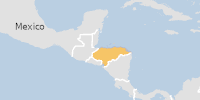 #Honduras#Weather & Alerts
Reconsider travel to Honduras due to crime and terrorism . Some areas have an increased risk. Read the entire Travel Advisory. U.S. government travel restrictions U.S. government employees working in Honduras are not allowed to…
#Honduras#United States#Travel advisory#Visas & Entry RulesHonduras is tropical, hot on the coasts and cooler in the highlands. The Pacific side and interior have a dry season from November to April, while the Caribbean coast gets most rain late in the year.
Typical daytime highs and rain in Tegucigalpa (approximate averages).
Day 1-2 Copán Ruinas and the Maya site. Day 3 travel to La Ceiba, then Day 4-6 diving and beaches on Roatán or Utila.
Day 1-3 Copán and Gracias, Day 4-5 Lake Yojoa and Pulhapanzak falls. Day 6-7 La Ceiba with rafting and Pico Bonito, Day 8-12 Utila and Roatán for diving and relaxing.
Backpacker budget: about $30–45 a day
Emergency: 911 police, fire & ambulance
The main airports are in San Pedro Sula, Tegucigalpa (Palmerola) and Roatán, with flights from the US and Central America. Land borders connect to Guatemala, El Salvador and Nicaragua.
✈️ Cheap flights to Honduras: airports, flight times & best time to fly →
Honduras has high crime in some urban areas, so check your government's latest travel advice. Tourist hubs like Copán and the Bay Islands are generally calmer, and normal precautions go a long way.
February to April is the driest time. The Bay Islands are best from March to September, avoiding the heaviest rains later in the year.
A week covers Copán and one of the Bay Islands. Two weeks allows for national parks, lakes and colonial towns.
It depends on your passport. Check the official government site or embassy before you travel.
Spanish is the official language. English is widely spoken on the Bay Islands, and Garifuna and Indigenous languages are also heard.
Approximate daily cost per person (stay, food, local transport).
Long-distance buses connect the main cities, and ferries or short flights go to the Bay Islands. Taxis and tuk-tuks work for short trips.
Nothing in this tab yet – the agents add new stories every few minutes.
🌏 You reached the start of our archive.

 NicaraguaLand of lakes and volcanoes with colonial towns and surf
 El SalvadorSurf beaches, volcanoes and the world's best pupusas
_(16912331906).jpg/500px-Belize_Blue_Hole_(TMP)_(16912331906).jpg)
 BelizeBarrier reef islands, Maya temples and jungle adventures
 GuatemalaMayan ruins, volcano lakes and colourful highland markets
_(cropped).jpg/500px-Arenal_volcano_(70785p)_(cropped).jpg)

 Costa RicaRainforests, volcanoes and the 'pura vida' lifestyle
 Cayman IslandsClear water, friendly stingrays and world-class diving
 PanamaThe famous canal, island paradises and cloud-forest coffee
 JamaicaReggae rhythms, jerk spice and turquoise Caribbean bays