


.jpeg/1920px-Hamoudi_Mosque_(210510633).jpeg)
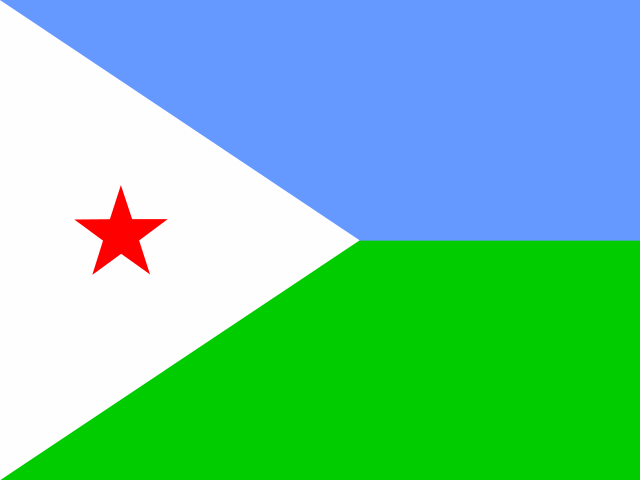
Djibouti📸 Photo album · 6 photos · Ultra-HD
Salt lakes, whale sharks and one of Earth's lowest points
🕒 –:– local time0 stories this week0 sources 6 top placesCapital Djibouti
Djibouti sits at the meeting point of Africa and Arabia, where the Red Sea narrows into the Bab-el-Mandeb strait. Its harsh volcanic landscapes have long been home to two main peoples: the Afar in the north and west, and the Somali Issa in the south. Prehistoric rock art shows that herders and their cattle roamed here thousands of years ago, and some historians believe the coast may have formed part of the fabled Land of Punt that traded incense and gold with ancient Egypt.
Islam arrived early from across the Red Sea, and in medieval times the region was linked to Muslim sultanates such as Adal, whose ports traded with Arabia, Persia and India. Camel caravans carried salt from the shores of Lake Assal deep into the Ethiopian highlands, a trade that continues on a small scale today.
France acquired the anchorage of Obock in 1862 and later built Djibouti City as the capital of French Somaliland. The railway to Addis Ababa, completed in 1917, made the port Ethiopia's key gateway to the sea. Renamed the French Territory of the Afars and the Issas in 1967, the colony became the independent Republic of Djibouti on 27 June 1977. A period of internal conflict in the 1990s was ended by peace agreements, and since then the country has built its economy around its deep-water ports, a new electric railway to Ethiopia and its strategic location on one of the world's busiest shipping lanes.
For travellers, Djibouti is a small country of extraordinary landscapes: salt lakes far below sea level, steaming limestone chimneys, lava fields and coral reefs where whale sharks gather. French, Arabic, Somali and Afar are all heard on the streets of the capital, and visitors can experience nomadic culture, Red Sea seafood and a strong tradition of hospitality.
Entry rules depend on your passport and change often.
Before you book, check the official rules for your passport:
The latest visa and entry news for Djibouti appears below as soon as publishers report it.
🛰️ The agents haven't spotted fresh news about Djibouti in the last few days – here is the travel guide, plus the latest from nearby countries.
Epochal GCC Tourism Visitor Growth Reshapes Sovereign Frontiers Across Qatar, Saudi Arabia And Other Countries GCC tourism visitor growth lifts Qatar Saudi Arabia UAE Oman Bahrain travel revenue
 #Qatar#Saudi Arabia
Ethiopia Ignites A Stunning Tourism Technology Revolution To Transform Modern Exploration And Redefine Global Wanderlust Discover how Ethiopia leverages AI, smart centers, and a 7-day visa-free policy to drive $5B in tourism…
 #Ethiopia#Visa-free travel#Inspiring & Scenic
Dubai Moves Alongside Abu Dhabi and More to Build the Future of Tourism With AI-Powered Crowd and Climate Management How smart tourism Middle East systems use AI capacity limits to transform UAE and Saudi travel sustainably.
 #United Arab Emirates#Saudi Arabia#Dubai#Abu Dhabi
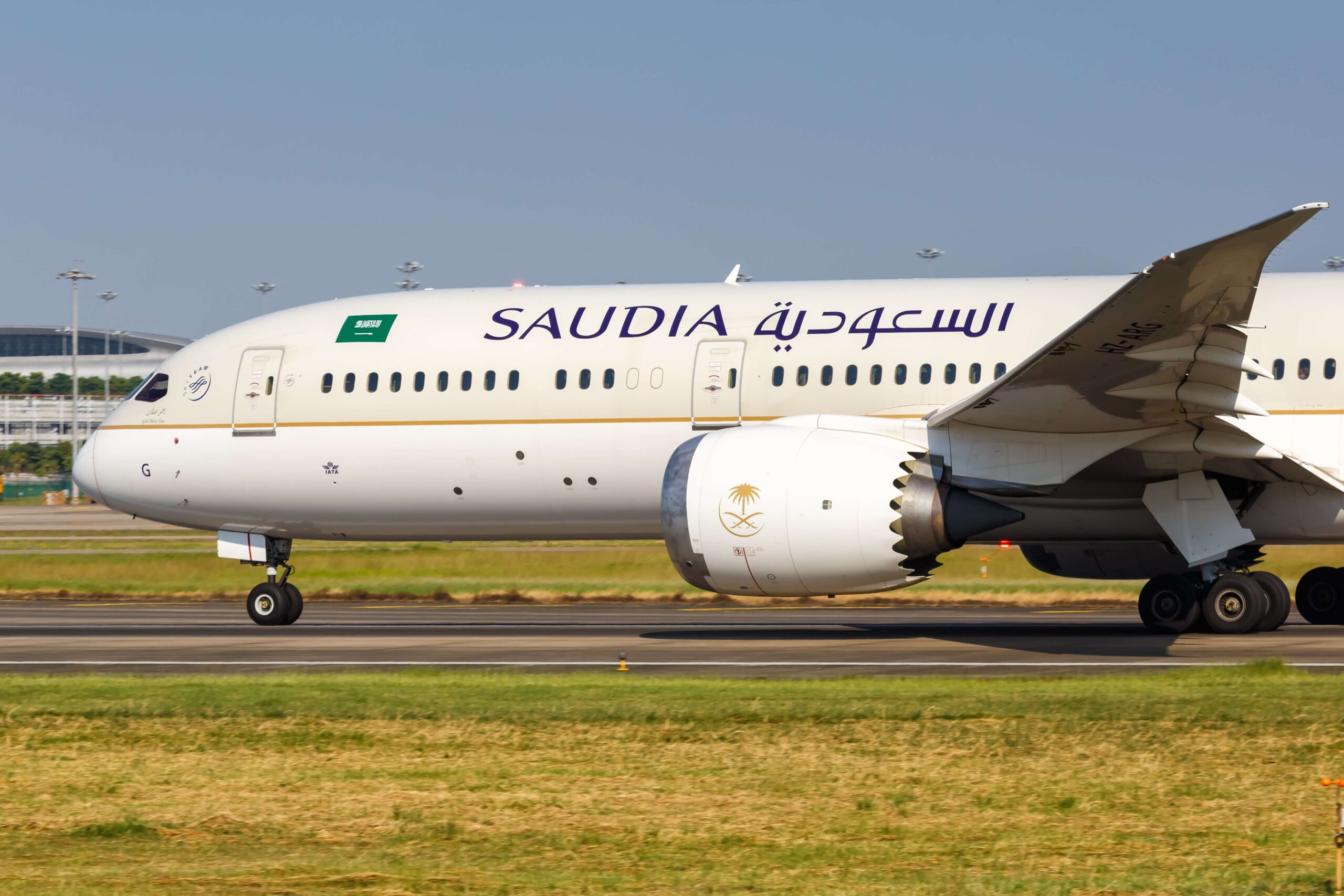
Yemen’s Houthis warned airlines against using Saudi Arabian airspace on October 5, 2026, as renewed fighting in Yemen…
 #Saudi Arabia#Yemen#Flights & Airlines
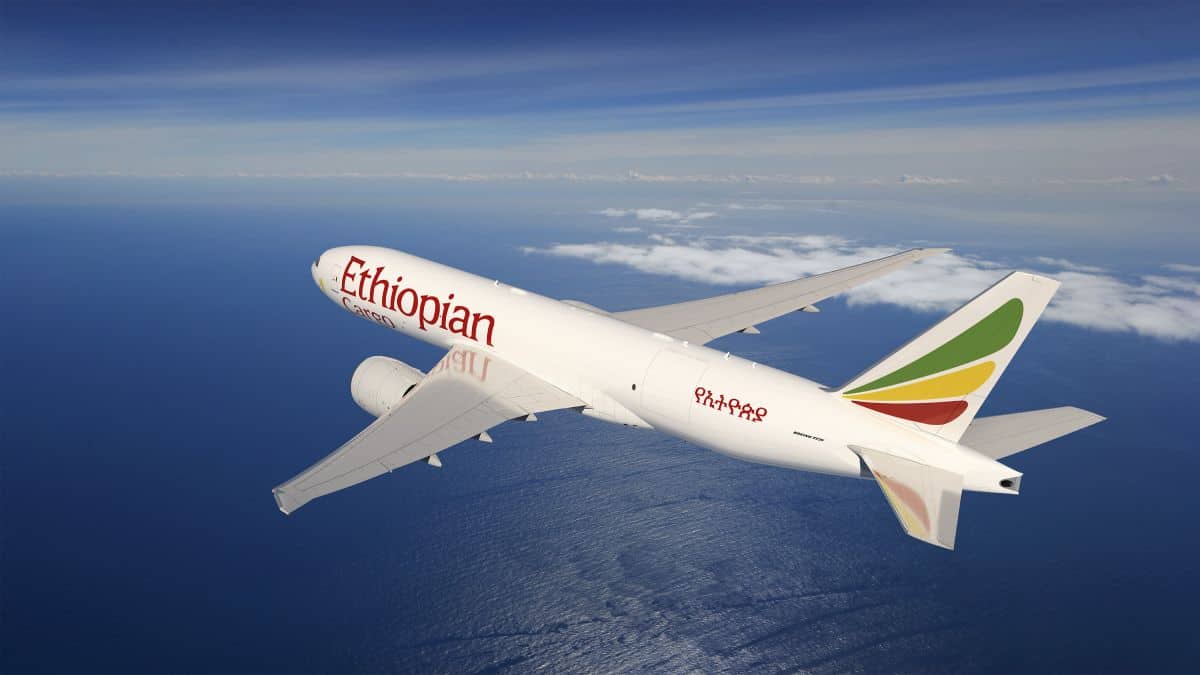
Ethiopian Airlines Leads Africa’s Aviation Revolution with Fuel Innovation, Open Skies and Regional Connectivity How African commercial aviation beats high fuel costs and FX crises through SAF, open skies, and PAPSS.
 #Ethiopia#Flights & Airlines
Officials from Saudi Arabia, Pakistan, and Turkey will convene in Riyadh for a crucial meeting regarding their recently established joint defense pact amidst escalating tensions with the Houthis in Yemen.
 #Saudi Arabia#Pakistan#Riyadh#Pilgrimage & Spiritual
On 02/10/2026, a forest fire started in Sudan, until 04/10/2026.
#Sudan#Weather & AlertsDjibouti is one of the hottest countries on Earth, with a desert climate and very little rain. The coast is humid, while the interior and lowland salt lakes are scorching, and the Goda Mountains offer the only noticeably cooler air.
Typical daytime highs and rain in Djibouti City (approximate averages).
Day 1 explore Djibouti City and its markets. Day 2 drive to Lake Assal and the Ghoubbet, and Day 3-4 head to Lake Abbé for an overnight in a camp and the famous sunrise. Day 5 relax on Moucha Island or snorkel with whale sharks in season.
Day 1-2 Djibouti City and the islands, Day 3-4 Lake Assal and the Ghoubbet. Day 5-6 Lake Abbé, Day 7-8 the Day Forest and the coastal town of Tadjoura, and Day 9-10 diving or whale-shark trips in the Gulf of Tadjoura.
Backpacker budget: about $60–100 a day
Emergency: 17 police · 18 fire
Djibouti–Ambouli International Airport near the capital has flights from the Middle East, East Africa and Europe. Overland, the electric railway and road link Djibouti with Ethiopia; the border with Eritrea is closed.
✈️ Cheap flights to Djibouti: airports, flight times & best time to fly →
Djibouti City and the main tourist sites are generally considered calm, but border areas, especially near Eritrea, should be avoided. Extreme heat is a real hazard. Always check your government's latest travel advice before you go.
November to February is the most comfortable time and also whale shark season. Summer from June to September is extremely hot and best avoided.
Four to five days is enough to see the capital, Lake Assal and Lake Abbé. A week or more lets you add diving, the Day Forest and Tadjoura.
It depends on your passport. Check the official Djibouti government site or your nearest embassy before you travel.
French and Arabic are official, while Somali and Afar are the main everyday languages. Some English is spoken in tourism and business.
Approximate daily cost per person (stay, food, local transport).
Most trips outside the capital are by 4x4 with a driver or guide. Taxis and minibuses work inside Djibouti City.
Nothing in this tab yet – the agents add new stories every few minutes.
🌏 You reached the start of our archive.

 EthiopiaRock-hewn churches, high mountains and the birthplace of coffee
 EritreaArt Deco Asmara, Red Sea islands and highland monasteries
 YemenMud-brick skyscrapers and the otherworldly Socotra
 SomaliaIndian Ocean beaches, ancient rock art and camel country
 SudanPyramids of Meroë, the Nile and the Red Sea
 South SudanVast wetlands, cattle cultures and the White Nile
.jpg/500px-Al_Ula_(6748577917).jpg)

 Saudi ArabiaAncient tombs, red deserts and the heart of Islam

 KenyaGreat Migration safaris, Indian Ocean beaches and Swahili towns