Mauritius, a volcanic island in the Indian Ocean east of Madagascar, had no human inhabitants for most of its history. Arab and Malay sailors may have known of it, and Portuguese navigators visited in the early 16th century, but it remained a refuge for giant tortoises and the flightless dodo. The Dutch arrived in 1598 and named the island after Prince Maurice of Nassau. Their settlers cut ebony and introduced sugar cane and deer, but the colony struggled, and they left in 1710. By then the dodo had vanished, becoming a worldwide symbol of extinction.
France claimed the island in 1715 as Île de France. Governor Mahé de La Bourdonnais developed Port Louis into a naval base and port from the 1730s, and plantations worked by enslaved people from Madagascar and East Africa expanded. During the Napoleonic Wars French ships won a celebrated naval battle at Grand Port in 1810, but British forces captured the island later that year. Britain kept French law, language and property, which is why French and Creole remain so widely spoken.
Read the full history
After slavery was abolished in 1835, Britain brought hundreds of thousands of indentured labourers, mainly from India, to work the sugar estates; their arrival point, the Aapravasi Ghat in Port Louis, is now a World Heritage Site. Chinese traders also settled. Mauritius became independent on 12 March 1968 and a republic in 1992, building a stable democracy and diversifying from sugar into textiles, tourism and finance.
Today visitors find a multicultural island where Hindu temples, mosques, churches and pagodas stand close together, and Creole, Indian, Chinese and French flavours mix in the food. Beyond the lagoons and beaches, heritage sites such as Le Morne, a mountain linked to the history of escaped slaves, and old sugar estates tell the island's human story.
Timeline
1598The Dutch land and name the island Mauritius
c. 1680sThe dodo is last reliably recorded and soon extinct
1715France claims the island as Île de France
1810British forces capture the island after the Battle of Grand Port
1835Slavery is abolished; indentured labour from India begins
1968Independence on 12 March
1992Mauritius becomes a republic
Mauritius🛂 Visa & entry
Entry rules depend on your passport and change often.
Commonwealth – Commonwealth member.
Before you book, check the official rules for your passport:
AIDA cruises has opened bookings for its 2028-29 winter season, sailing from October 2028 to April 2029. The program ranges from new Caribbean routes to weeks-long trips roundtrip from Germany to Brazil and Mauritius, cruises to…
Snorkel Blue BayFloat over coral gardens and tropical fish in the protected marine park on the south-east coast.
Hike Le Morne BrabantClimb the UNESCO-listed mountain for views of the famous 'underwater waterfall' illusion off the coast.
See the Seven Coloured EarthsVisit Chamarel's rippling dunes of multi-coloured volcanic soil and a nearby waterfall.
Trek Black River GorgesWalk through native forest looking for pink pigeons, kestrels and sweeping valley views.
Swim with dolphinsTake an early boat trip off Tamarin Bay to spot dolphins in the wild with responsible operators.
Explore Port Louis marketTaste dholl puri, gâteaux piments and tropical fruit in the busy central market.
Visit Grand BassinSee the sacred crater lake and towering Hindu statues at Ganga Talao.
Sail to Île aux CerfsSpend a day on white-sand beaches and in turquoise lagoons off the east coast.
Kitesurf at Le MorneCatch the trade winds at one of the Indian Ocean's top kitesurfing spots.
Stroll the Pamplemousses gardenSee giant water lilies and rare palms in one of the oldest botanical gardens in the southern hemisphere.
Mauritius🗺️ Where to visit in Mauritius
Where to go in Mauritius
📍
Port LouisNorth-west · capitalA busy harbour capital with markets, the waterfront, Aapravasi Ghat and the Citadel.
📍
Le Morne PeninsulaSouth-west · beaches & heritageA dramatic mountain, lagoon and beaches with deep historical significance.
Black River Gorges National ParkSouth-west · rainforestThe island's largest national park, with trails, waterfalls and endemic wildlife.
ChamarelSouth-west · natureHome to the Seven Coloured Earths, Chamarel Falls and a rum distillery.
Grand BaieNorth · resort townA lively beach town with shopping, nightlife and boat trips to northern islets.
📍
Blue BaySouth-east · marine parkClear, calm water and some of the best snorkelling on the island.
Île aux CerfsEast coast · islandA popular island for beaches, water sports and lagoon cruises.
📍
RodriguesOuter island · slow travelA quiet sister island with a vast lagoon, hiking trails and traditional Creole life.
Mauritius✨ Must-do experiences
Snorkel or dive in the coral lagoons
Hike Le Morne Brabant
Take a catamaran trip to the east coast islands
Eat street food in Port Louis
Mauritius🍽️ Taste of Mauritius
Dholl puri – thin flatbread stuffed with split peas, served with curries
Rougaille – spicy tomato sauce with fish or sausage
Gateau piment – fried chilli and split-pea fritters
Mine frite – fried noodles of Chinese-Mauritian style
Mauritius🌦️ Weather & best time to visit Mauritius
Best time to visit Mauritius
Mauritius has a tropical climate with a warm, humid summer from November to April and a cooler, drier winter from May to October. The central plateau is cooler and wetter, while the west coast is the driest and sunniest.
BestMay-June and September-November - warm, dry and sunny with calm seas and fewer showers.
ShoulderJuly-August - the cooler winter months, good for hiking and kitesurfing, though the south and east are windier.
AvoidJanuary-March - hot, humid and rainy, with the highest risk of tropical cyclones.
31°💧💧Jan
31°💧💧Feb
30°💧💧Mar
29°💧Apr
27°💧May
25°💧Jun
24°💧Jul
24°💧Aug
25°☀️Sep
27°☀️Oct
28°💧Nov
30°💧Dec
Typical daytime highs and rain in Port Louis (approximate averages).
Mauritius🎉 Festivals & events in Mauritius
February-March
Maha ShivaratriHundreds of thousands of pilgrims walk to the sacred lake at Grand Bassin, many carrying decorated kanwars.
January-February
Thaipoosam CavadeeA Tamil festival of penance with colourful processions and devotees carrying cavadees.
October-November
DivaliHomes and streets glow with oil lamps and fairy lights for the Festival of Lights.
February 1
Abolition of Slavery DayCommemorations at Le Morne with sega music and dance.
November-December
Festival International KreolA celebration of Creole music, food and culture across the island.
Mauritius🧭 Mauritius itinerary ideas
How many days in Mauritius?
5 daysIsland essentials
Day 1 explore Port Louis. Day 2 head south-west to Chamarel and Black River Gorges. Days 3-5 relax at Le Morne, take a dolphin trip and sail to Île aux Cerfs.
10 daysMauritius and Rodrigues
Days 1-6 cover Port Louis, Grand Baie, Pamplemousses, the south-west and Blue Bay. Fly to Rodrigues for Days 7-10 of lagoon walks, snorkelling and quiet village life.
Mauritius🎒 Backpacking Mauritius – tips & hacks
Backpacker budget: about $50–80 a day
Public buses reach most corners of the island and are very cheap, though slow.
Guesthouses and self-catering apartments in Flic en Flac, Grand Baie and Mahébourg are cheaper than resorts.
Street food like dholl puri, roti and boulettes makes a filling meal for very little.
Public beaches are free and many have shade from casuarina trees for picnics.
Hiking trails such as those in Black River Gorges are free to access.
Mauritius🛡️ Safety & money in Mauritius
Stay safe
Mauritius is generally safe; take care of valuables on beaches and avoid empty areas at night.
Swim within lagoons and heed warning flags, as currents beyond the reef can be dangerous.
Cyclone season runs roughly November to April - monitor warnings and follow local advice.
Driving is on the left and roads can be narrow and busy; be cautious if renting a car or scooter.
Money
The currency is the Mauritian rupee; cards are widely accepted in hotels and larger shops.
ATMs are easy to find in towns, but carry cash for buses, markets and street food.
Tipping is not obligatory but appreciated, especially for guides, drivers and good restaurant service.
Emergency: 999 police · 114 ambulance · 115 fire
Mauritius🛬 Getting to Mauritius
Sir Seewoosagur Ramgoolam International Airport in the south-east is the main gateway, with flights from Europe, Africa, the Middle East and Asia. Rodrigues is reached by domestic flight or ship.
The dodo, a flightless bird found only on Mauritius, became extinct within a century of human arrival.
Mauritius was among the first countries to issue postage stamps, and its 1847 'Post Office' stamps are among the rarest in the world.
The 'underwater waterfall' off Le Morne is an optical illusion created by sand and silt flowing over a drop.
Mauritian Creole is spoken by most of the population, though English is the official language of government.
The island is almost completely surrounded by coral reefs.
Mauritius❓ Mauritius travel FAQ
Mauritius travel questions
Is Mauritius safe for tourists?
Yes, Mauritius is considered one of the safest destinations in Africa. Petty theft can occur, so keep an eye on valuables and avoid isolated areas after dark.
What is the best time to visit Mauritius?
May to June and September to November offer warm, dry weather with calm seas. January to March is hot and wet with a risk of cyclones.
How many days do you need in Mauritius?
A week is ideal to combine beaches with hiking and sightseeing. Add a few days if you want to visit Rodrigues.
What language is spoken in Mauritius?
Mauritian Creole is the everyday language, and French and English are widely used. English is the official language of government.
Do I need a visa for Mauritius?
It depends on your passport. Check the official Mauritius government website or your nearest embassy before you travel.
Mauritius💰 What a trip costs
$$$price level
$50–80backpacker / day
$130–250mid-range / day
Approximate daily cost per person (stay, food, local transport).
Mauritius🚌 Getting around
Buses cover most of the island cheaply, and the Metro Express runs from Port Louis to Curepipe. Taxis and rental cars are popular for exploring.
Mauritius🛕 Sacred & spiritual places
Ganga Talao (Grand Bassin) – Crater lake sacred to Hindus, with a giant Shiva statue nearby
Père Laval Shrine – Shrine of a beloved missionary priest, visited by many pilgrims
Mauritius🤝 Local etiquette
Dress modestly when visiting temples, mosques and churches
Remove shoes before entering Hindu temples
Beachwear is for the beach, not towns
Nothing in this tab yet – the agents add new stories every few minutes.
📰 Older Mauritius stories Everything our agents ever found – keeps loading as you scroll
.jpg/1920px-Flic_en_Flac_Beach_in_Mauiritius_(53697781931).jpg)

.jpg/1920px-Le_Morne_Peninsula_in_Mauritius_(53697779236).jpg)


 Mauritius
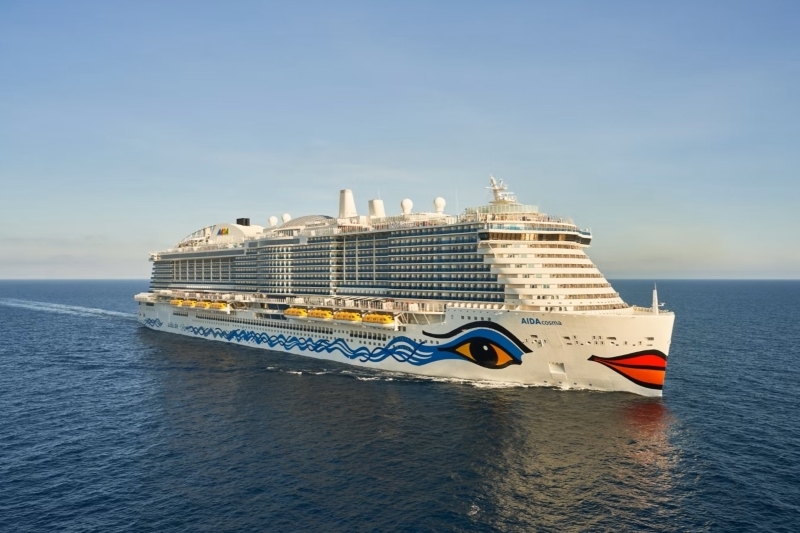 #Germany#Brazil#Cruises

 ReunionVolcano hikes, deep cirques and Creole flavours

 MadagascarLemurs, baobab avenues and wild island landscapes
 ComorosPerfume islands of volcanoes, vanilla and quiet reefs
.jpg/500px-Luftbild_Insel_La_Digue_Seychellen.DNG_(39617026111).jpg)
 SeychellesGranite boulders, white sand and giant tortoises
 MozambiqueIndian Ocean islands, coral reefs and Portuguese charm
 MalawiThe warm heart of Africa and its great freshwater lake
 EswatiniA small kingdom of game reserves, culture and mountain trails

 TanzaniaSerengeti safaris, Kilimanjaro and Zanzibar beaches