
.jpg/1920px-Piton_de_la_Fournaise,_R%C3%A9union_Island_(High_Resolution).jpg)


Reunion📸 Photo album · 7 photos · Ultra-HD
Volcano hikes, deep cirques and Creole flavours
🕒 –:– local time0 stories this week0 sources 6 top placesCapital Saint-Denis
Réunion is a young volcanic island that rose from the Indian Ocean around three million years ago, and unlike most places it had no Indigenous population. Arab and Portuguese sailors knew of it from at least the early 16th century, but it remained uninhabited, cloaked in forest and crowned by smoking volcanoes. France claimed the island in the mid-17th century, naming it Île Bourbon after the royal dynasty, and the first permanent settlers arrived in the 1660s.
Under the French East India Company, the island became a plantation colony, first for coffee and later for sugar cane. Enslaved people were brought from Madagascar, East Africa and India to work the fields. Some escaped into the rugged interior, and the mountain cirques of Cilaos, Salazie and Mafate still carry names linked to these 'marrons' who sought freedom there. During the French Revolution the island was renamed Réunion, and it was briefly occupied by Britain during the Napoleonic Wars.
Slavery was abolished on 20 December 1848, a date celebrated each year. Afterwards, indentured workers came from India, China and elsewhere, creating the island's extraordinary cultural blend. Réunion became an overseas department of France in 1946, and is today an outermost region of the European Union, with modern infrastructure alongside its Creole traditions.
For visitors, Réunion is a hiker's paradise and a cultural melting pot. Its UNESCO-listed peaks, cirques and ramparts offer some of the world's most dramatic trails, while the Piton de la Fournaise is one of the planet's most active volcanoes. Tamil temples, Catholic churches, mosques and Chinese pagodas stand side by side, and Creole cuisine and maloya music reflect the island's layered history.
Entry rules depend on your passport and change often.
Before you book, check the official rules for your passport:
The latest visa and entry news for Reunion appears below as soon as publishers report it.
🛰️ The agents haven't spotted fresh news about Reunion in the last few days – here is the travel guide, plus the latest from nearby countries.
AIDA cruises has opened bookings for its 2028-29 winter season, sailing from October 2028 to April 2029. The program ranges from new Caribbean routes to weeks-long trips roundtrip from Germany to Brazil and Mauritius, cruises to…
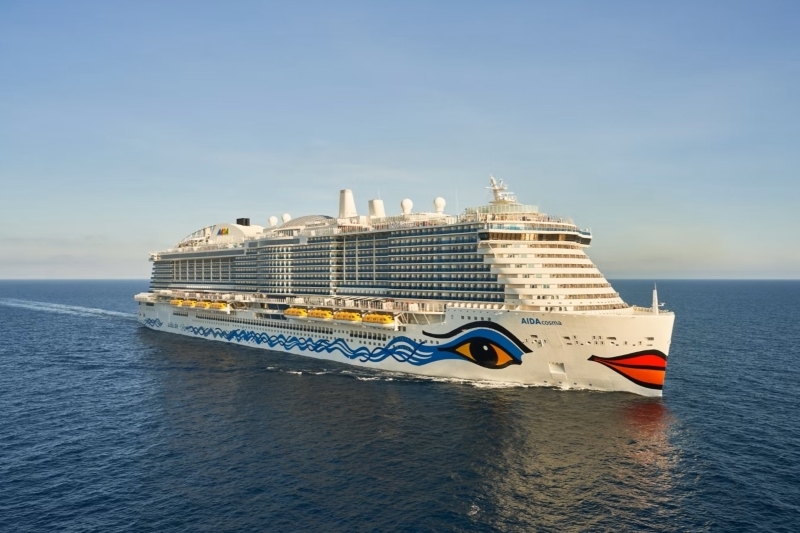 #Germany#Brazil#Cruises
Zimbabwe Aligns With Mozambique and Other African Countries as South Africa Drives Seamless Cross-Border Tourism Through Digital Overhaul Zimbabwe joins Mozambique and other African countries as South Africa’s digital border…
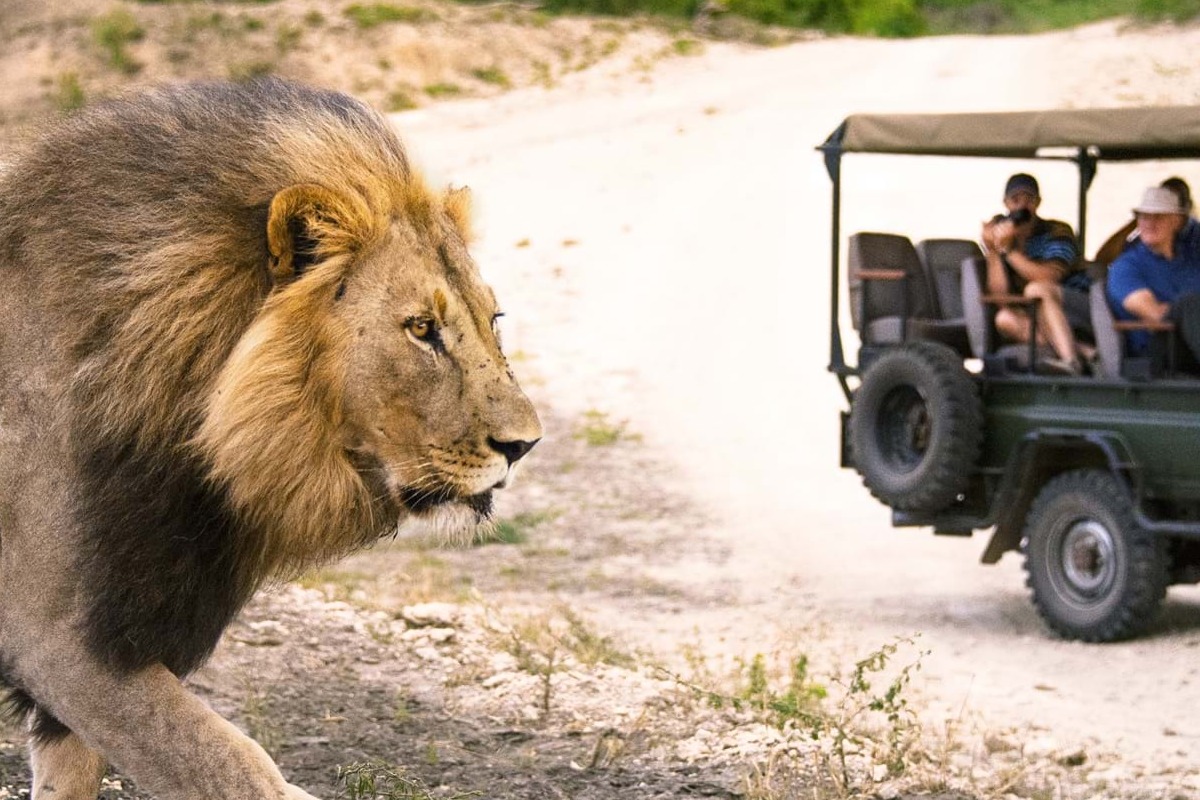 #Zimbabwe#Mozambique
South Africa Joins Seychelles and Other African Destinations in the Race for Luxury Travellers from Europe and the Americas South Africa, Seychelles and more African destinations compete for luxury travellers from Europe and the…
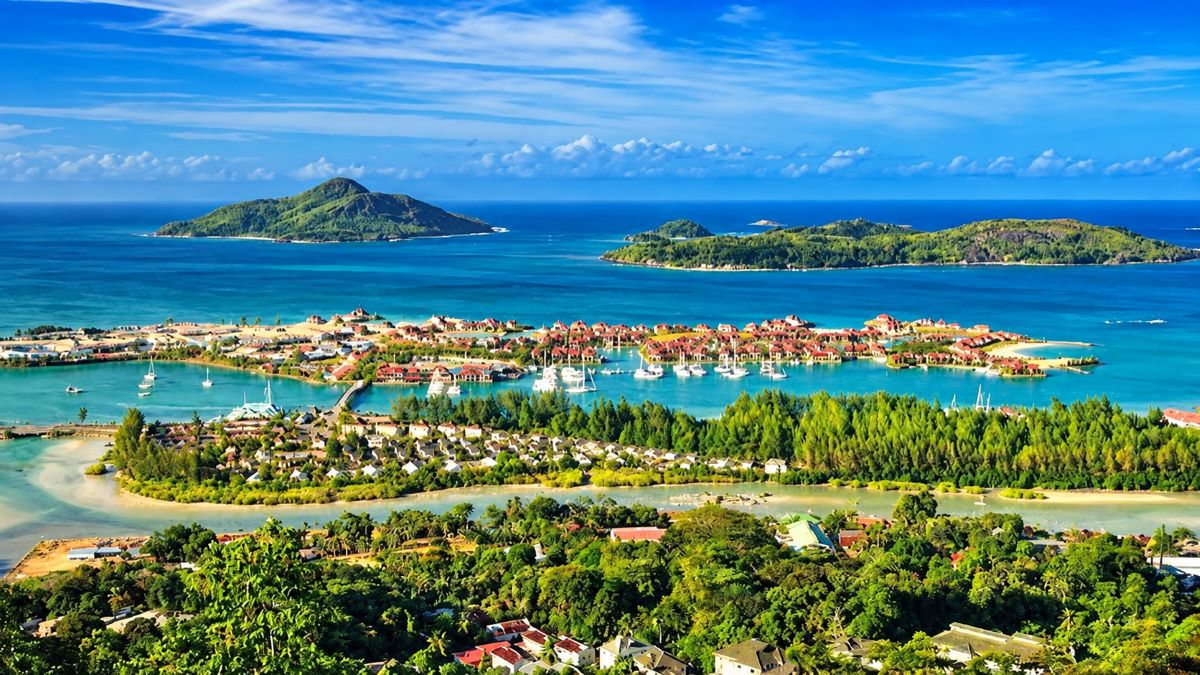 #South Africa#Seychelles
A bright lens of anorthosite, a rock type prevalent on the lunar surface, is cradled within sheared rocks in the country’s south.
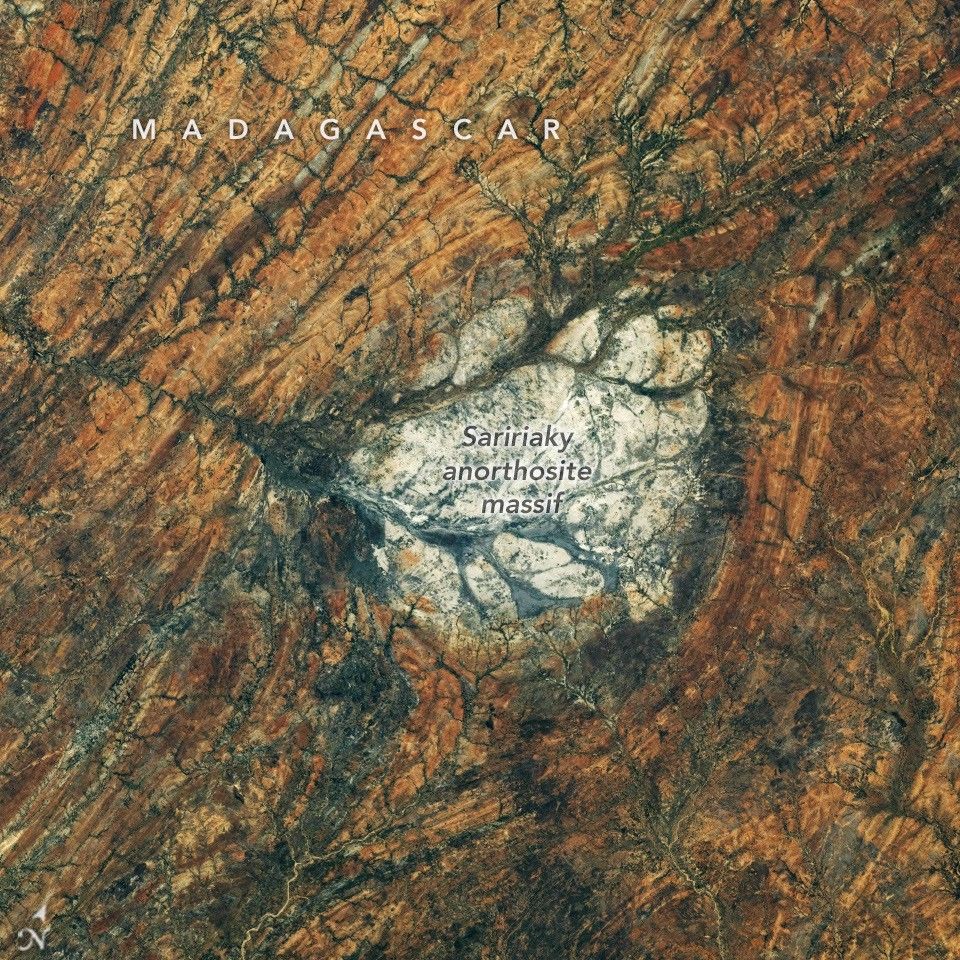 #Madagascar#Inspiring & Scenic
Réunion has a tropical climate with warm, wet summers and mild, dry winters. The east is much wetter than the sunny west, and the highlands can be cool or even frosty.
Typical daytime highs and rain in Saint-Denis (approximate averages).
Day 1 Saint-Denis. Day 2 Piton de la Fournaise, Day 3 Cilaos, Day 4-5 Saint-Gilles for the lagoon and beaches.
Day 1 Saint-Denis, Day 2-3 Salazie and Hell-Bourg, Day 4-6 trek across Mafate. Day 7 Cilaos and canyoning, Day 8 Piton de la Fournaise, Day 9-10 Saint-Gilles and Saint-Leu.
Backpacker budget: about $60–90 a day
Emergency: 112 · 17 police · 18 fire · 15 ambulance
Roland Garros Airport near Saint-Denis has flights from Paris, Mauritius, Madagascar and other Indian Ocean islands. Pierrefonds Airport in the south handles some regional flights.
✈️ Cheap flights to Reunion: airports, flight times & best time to fly →
Yes, Réunion is generally safe. The main hazards are natural, including sharks outside lagoons and changeable mountain weather.
May to November is ideal for hiking with cooler, drier weather. January to March is the cyclone season.
Five days covers the volcano and coast. Ten days or more is better for trekking the cirques.
It depends on your passport. Réunion has its own entry rules within France, so check the official government site or embassy before you travel.
French is official, and Réunion Creole is widely spoken. English is less common, so a few French phrases help.
Approximate daily cost per person (stay, food, local transport).
Renting a car is the easiest way to explore, though mountain roads are very winding. Car Jaune buses connect the coastal towns and some interior villages.
Nothing in this tab yet – the agents add new stories every few minutes.
🌏 You reached the start of our archive.
.jpg/500px-Flic_en_Flac_Beach_in_Mauiritius_(53697781931).jpg)

 MauritiusTurquoise lagoons, volcanic peaks and a mix of cultures

 MadagascarLemurs, baobab avenues and wild island landscapes
 ComorosPerfume islands of volcanoes, vanilla and quiet reefs
.jpg/500px-Luftbild_Insel_La_Digue_Seychellen.DNG_(39617026111).jpg)

 SeychellesGranite boulders, white sand and giant tortoises
 MozambiqueIndian Ocean islands, coral reefs and Portuguese charm
 MalawiThe warm heart of Africa and its great freshwater lake
 EswatiniA small kingdom of game reserves, culture and mountain trails

 TanzaniaSerengeti safaris, Kilimanjaro and Zanzibar beaches