Long before Albania had its name, the mountains and coast along the southern Adriatic were home to the Illyrians, a loose web of tribes who traded and fought with Greek colonists. Greek cities such as Apollonia and the trading post at Butrint flourished on the coast, and after Rome defeated the Illyrian kingdoms in the 2nd century BC the region became a crossroads of empire, crossed by the Via Egnatia road that linked the Adriatic to Constantinople.
After Rome split, the land fell under Byzantine rule and was repeatedly fought over by Bulgarians, Serbs, Normans and Venetians. In the 15th century the Ottoman advance met fierce resistance led by Gjergj Kastrioti, known as Skanderbeg, who held his mountain fortress at Krujë for a quarter of a century and remains the national hero. After his death the Ottomans ruled for more than four hundred years, and many Albanians converted to Islam while Orthodox and Catholic communities endured, shaping the country's famous religious tolerance.
Read the full history
A national awakening in the 19th century led to the declaration of independence at Vlorë in 1912. The young state passed through monarchy under King Zog, Italian occupation during the Second World War, and then four decades of hardline communist rule under Enver Hoxha. His regime cut ties with Yugoslavia, the Soviet Union and finally China, banned religion and sealed the borders, leaving behind hundreds of thousands of concrete bunkers that still dot the landscape.
Communism collapsed in the early 1990s and, after a turbulent transition, Albania became a parliamentary republic, joined NATO in 2009 and opened accession talks with the European Union. For visitors today, this layered past is easy to explore: Roman and Greek ruins at Butrint and Apollonia, Ottoman-era stone towns like Berat and Gjirokastër, Skanderbeg's castle at Krujë, and Cold War relics turned into museums in Tirana, all set against some of the least crowded coastline in the Mediterranean.
Timeline
c. 600 BCGreek colonists found Apollonia and other trading cities on the Illyrian coast
167 BCRome defeats the last Illyrian king and absorbs the region
1443-1468Skanderbeg leads resistance to the Ottoman Empire from Krujë
1912Independence is declared in the port city of Vlorë
1944Communist partisans take power; Enver Hoxha begins four decades of rule
1967The regime declares Albania an atheist state and bans religious practice
1991Multi-party elections end the communist era
2009Albania joins NATO
Albania🛂 Visa & entry
Entry rules depend on your passport and change often.
Before you book, check the official rules for your passport:
Albania Offers the Most Affordable Coastal Escapes With Special Cities Like Borsh and Others Albania reveals affordable coastal escapes for 2026, from Borsh and Durrës to Himarë, with beautiful beaches, lower costs and strong…
Albania Teams Up with South Korea, Japan and More Among Sixty Visa Free Travel Countries Boosting Czech Republic Tourism See how the network of visa free travel countries boosting Czech Republic tourism drives the 2026 travel…
Swim the Albanian RivieraHop between turquoise coves like Gjipe, Dhërmi and Himarë where mountains drop straight into the Ionian Sea.
Hike Valbona to ThethCross a high mountain pass in the Accursed Mountains between two remote valleys on one of the Balkans' classic day hikes.
Wander Berat's windowsClimb through the stacked white Ottoman houses of the 'town of a thousand windows' up to a castle quarter that is still lived in.
Explore ButrintWalk through Greek, Roman, Byzantine and Venetian ruins set among lagoons and forest near the Greek border.
Go underground at Bunk'ArtDescend into Cold War bunkers in Tirana that now tell the story of life under the communist regime.
Kayak the Blue EyeSee the impossibly blue spring of Syri i Kaltër bubbling up from the depths near Sarandë.
Ride the Komani ferryCruise a narrow, fjord-like reservoir lake through steep gorges on the way to the northern Alps.
Taste byrek and fërgesëFill up on flaky savoury pies and peppery baked cheese stews in local family-run eateries.
Raft the Osumi CanyonPaddle through high limestone walls near Çorovodë in spring when the river runs full.
Sip coffee on the xhiroJoin the evening promenade when whole towns stroll the main street and fill the café terraces.
Exercise increased caution in Albania due to crime . Law enforcement’s ability to protect or help you is limited in some areas, especially in remote regions. There has been violent crime related to illicit drug networks and…
There was no change to the advisory level or risk indicators. Advisory summary was updated. Advisory summary Law enforcement’s ability to protect or help you is limited in some areas, especially in remote regions. There has been…
Hike from Theth to Valbona in the Accursed Mountains
Beach-hop along the Albanian Riviera
Visit the Blue Eye spring
Take the Komani Lake ferry
Albania🍽️ Taste of Albania
Byrek – flaky pastry with cheese, spinach or meat
Tavë kosi – baked lamb with yogurt and egg
Fërgesë – peppers, tomatoes and cottage cheese bake
Qofte – grilled meatballs
Albania🌦️ Weather & best time to visit Albania
Best time to visit Albania
The coast has a Mediterranean climate with hot dry summers and mild wet winters. The northern and eastern mountains are much cooler, with heavy snow in winter and hiking season roughly June to September.
BestMay-June and September - warm sea, sunny days and far fewer crowds than midsummer.
ShoulderApril and October - pleasant for cities and hiking, though the sea is cooler and some beach businesses close.
AvoidLate July-August on the coast if you dislike crowds and heat; November-March brings rain and snow-blocked mountain roads.
12°💧💧Jan
13°💧💧Feb
16°💧💧Mar
19°💧💧Apr
24°💧May
28°💧Jun
31°☀️Jul
31°☀️Aug
27°💧Sep
22°💧💧Oct
17°💧💧💧Nov
13°💧💧💧Dec
Typical daytime highs and rain in Tirana (approximate averages).
Albania🎉 Festivals & events in Albania
March 14
Dita e Verës (Summer Day)A spring festival rooted in pagan tradition, celebrated with sweet ballokume cakes, especially in Elbasan.
Varies (held every few years)
Gjirokastër National Folk FestivalMusicians and dancers from across the Albanian world gather in the castle for traditional polyphonic song.
November 28
Independence and Flag DayThe nation's biggest holiday, with flags, parades and celebrations especially in Vlorë and Tirana.
Autumn
Tirana International Film FestivalA long-running festival screening short and feature films from Albania and around the world.
Albania🧭 Albania itinerary ideas
How many days in Albania?
5 daysClassic 5 days
Day 1 explore Tirana and its bunker museums. Day 2 visit Berat. Days 3-5 drive south via Gjirokastër to Sarandë for Butrint, Ksamil beaches and the Blue Eye.
10 daysMountains to Riviera
Days 1-2 Tirana and Krujë, then Days 3-5 go north to Shkodër, take the Komani ferry and hike Valbona to Theth. Days 6-7 visit Berat and Gjirokastër, then spend Days 8-10 on the Riviera between Himarë, Sarandë and Butrint.
Albania🎒 Backpacking Albania – tips & hacks
Backpacker budget: about $30–45 a day
Furgons (shared minibuses) and buses connect most towns cheaply; ask locals or your hostel where they leave from, as schedules are rarely posted online.
Tirana, Berat, Shkodër and Sarandë have the liveliest hostel scenes, and many hostels organise trips into the mountains.
Eat at byrektores and grill houses where a hearty lunch of byrek, qofte or a Greek-style salad costs little.
Mountain guesthouses in Theth and Valbona usually include dinner and breakfast, so you can travel light on supplies.
Hitchhiking is relatively common and accepted in rural Albania, though always use your own judgement.
Albania🛡️ Safety & money in Albania
Stay safe
Albania is generally safe for visitors and locals are famously hospitable; petty theft is the main concern in busy areas.
Roads can be narrow and driving styles erratic, so take extra care if renting a car, especially on mountain roads at night.
Mountain weather changes fast; carry water, layers and offline maps on hikes in the north.
Stray dogs are common in towns and some rural areas; give them space.
Money
The currency is the lek; euros are often accepted in tourist areas but you usually get a better rate paying in lek.
ATMs are widespread in cities and coastal towns but scarce in mountain villages, so carry cash before heading out.
Tipping is appreciated but modest - rounding up or leaving around 10% in restaurants is customary.
Most visitors fly into Tirana International Airport. Ferries link Sarandë with Corfu and Durrës and Vlorë with Italian ports, and there are land borders with Montenegro, Kosovo, North Macedonia and Greece.
Albanians traditionally nod to mean 'no' and shake their heads to mean 'yes', though younger people often follow the international convention.
Hundreds of thousands of concrete bunkers were built under communism - some have been turned into cafés and art spaces.
Albanian is its own branch of the Indo-European language family with no close living relatives.
Mother Teresa was ethnically Albanian, and Tirana's airport is named after her.
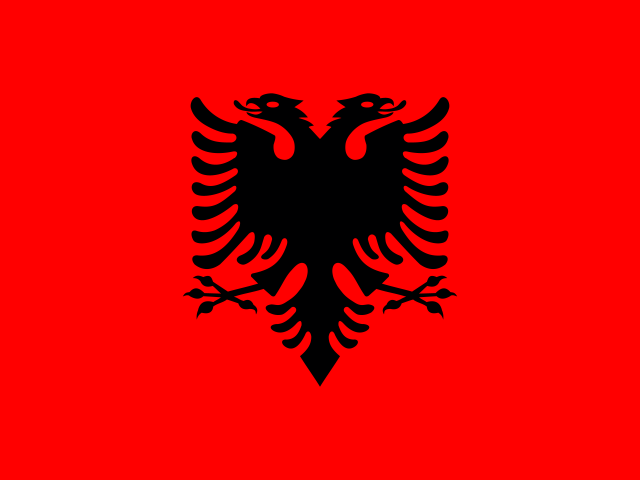
Albanians call their country Shqipëria, often translated as 'land of the eagles' - hence the double-headed eagle on the flag.
Albania❓ Albania travel FAQ
Albania travel questions
Is Albania safe for tourists?
Yes, Albania is considered one of the safer countries in the Balkans for travellers. Violent crime against tourists is rare; watch for pickpockets in crowds and take care on the roads.
What is the best time to visit Albania?
May, June and September are ideal, with warm sea water and fewer crowds. July and August are peak beach months, while June to September is best for mountain hiking.
How many days do you need in Albania?
A week covers Tirana, Berat, Gjirokastër and the south coast. With 10-14 days you can add the northern Alps and more time on the Riviera.
Do I need a visa for Albania?
It depends on your passport. Check the official Albanian government website or your nearest embassy before you travel.
Is Albania cheap to travel?
Albania is one of the more affordable destinations in Europe, especially for food and local transport. Prices rise in coastal hotspots during July and August.
Albania💰 What a trip costs
$price level
$30–45backpacker / day
$70–130mid-range / day
Approximate daily cost per person (stay, food, local transport).
Albania🚌 Getting around
Buses and minibuses called furgons connect most towns. Renting a car is the easiest way to explore the coast and mountains.
Albania🛕 Sacred & spiritual places
Et'hem Bey Mosque – Beautifully painted 18th-century mosque in central Tirana
Mount Tomorr – Holy mountain and site of a yearly Bektashi pilgrimage in August
Albania🤝 Local etiquette
A head nod can mean 'no' and a shake can mean 'yes' – check to be sure
Accept coffee or raki when offered
Remove shoes when entering a home
Nothing in this tab yet – the agents add new stories every few minutes.
📰 Older Albania stories Everything our agents ever found – keeps loading as you scroll
.jpg/1920px-Ksamil_Albania_-_panoramio_(8).jpg)


 #Albania#Beaches
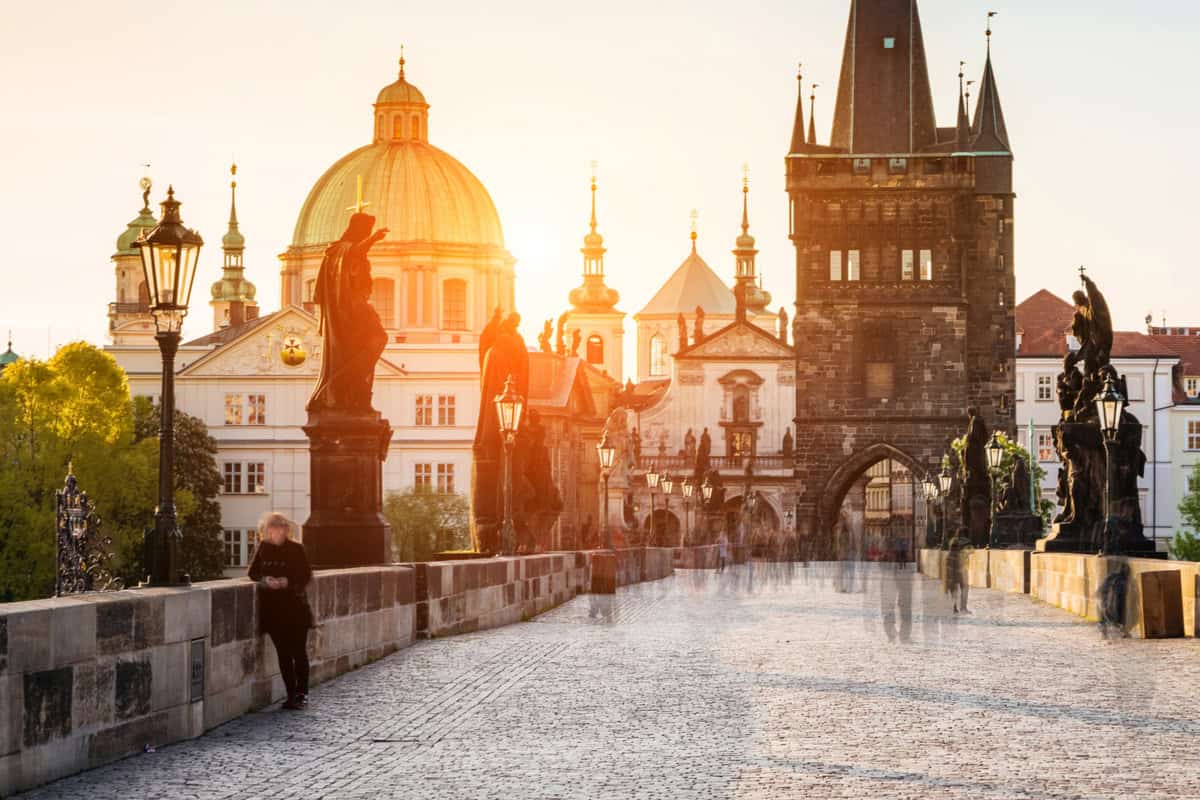 #Albania#South Korea#Visas & Entry Rules
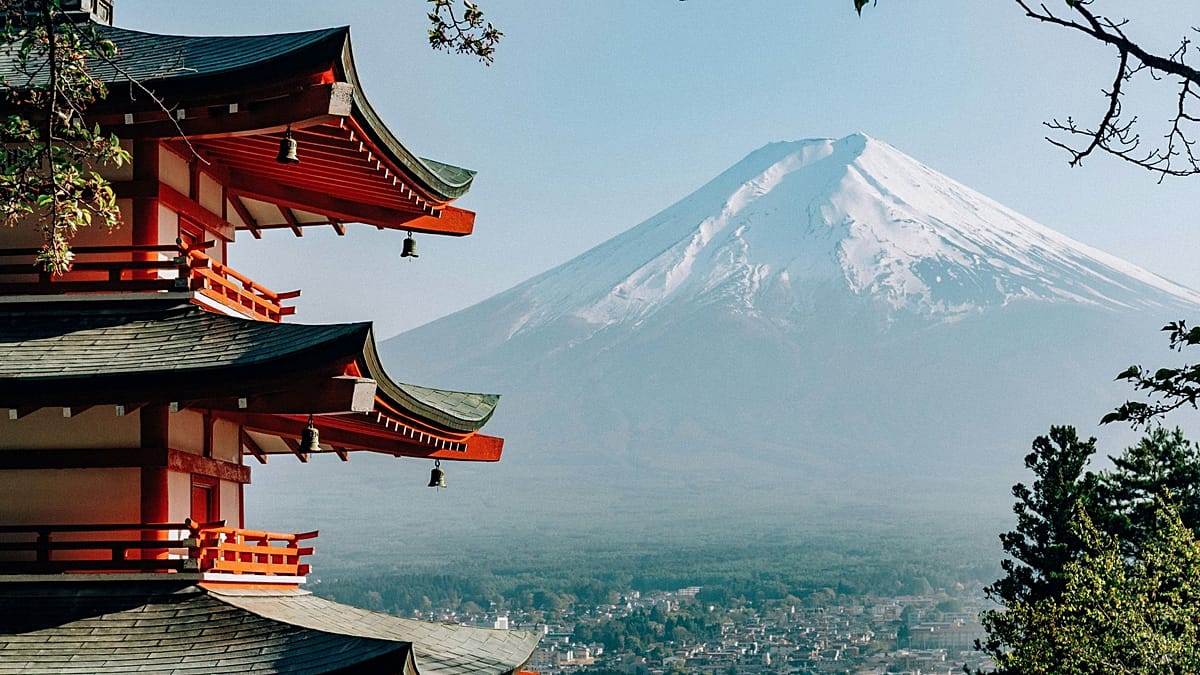 #Japan#Albania

 North MacedoniaLake Ohrid, Ottoman bazaars and mountain monasteries
 KosovoCafé culture, Ottoman old towns and dramatic mountain gorges
 MontenegroFjord-like bays, mountain canyons and Adriatic beaches
 GreeceAncient ruins, whitewashed islands and endless blue sea
 SerbiaLively nightlife, Orthodox monasteries and rolling green hills
 Bosnia and HerzegovinaOttoman bridges, emerald rivers and coffee culture
 BulgariaBlack Sea beaches, mountain monasteries and old towns
 CroatiaIsland-hopping, walled cities and crystal-clear sea