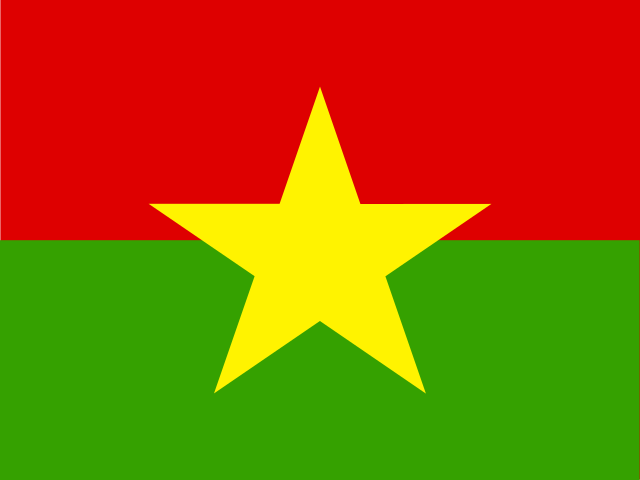
Burkina Faso📸 Photo album · 6 photos · Ultra-HD


,BF_sun15may2016-1106h.jpg/1920px-2016.05-441-131ap_wall_Lorop%C3%A9ni_Ruins_nr.Lorop%C3%A9ni(Poni_Prv.),BF_sun15may2016-1106h.jpg)

Painted villages, rock peaks and Africa's biggest film festival
🕒 –:– local time0 stories this week0 sources 6 top placesCapital Ouagadougou
The plateau that is now Burkina Faso has been farmed for thousands of years, and its peoples – Mossi, Gurunsi, Lobi, Bobo, Fulani, Gourmantché and many others – developed rich traditions of farming, ironworking, masks and earthen architecture. In the south, the stone ruins of Loropéni, linked to the gold trade of earlier centuries, are the country's first UNESCO World Heritage Site.
From around the fifteenth century the Mossi built a group of powerful kingdoms centred on Ouagadougou and Yatenga, ruled by a king known as the Mogho Naba. These states were well organised and resisted absorption by the great Sahelian empires to the north. The Mogho Naba's court still exists today, and a weekly ceremony at his palace in Ouagadougou keeps old rituals alive.
France brought the region under colonial control at the end of the nineteenth century, creating the colony of Upper Volta in 1919. It was broken up between neighbouring colonies in 1932 and reconstituted in 1947, and gained independence on 5 August 1960. After several changes of government, Captain Thomas Sankara came to power in 1983 and renamed the country Burkina Faso – 'land of upright people' – in 1984, promoting self-reliance and national pride. Blaise Compaoré then governed from 1987 until 2014.
Since the mid-2010s Burkina Faso has faced serious insecurity and political upheaval, and much of the country is now considered unsafe for travel. For readers, its heritage remains remarkable: a world-famous film festival, vibrant music and crafts, the painted houses of Tiébélé, the Grand Mosque of Bobo-Dioulasso and the green landscapes around Banfora. Anyone considering a visit must check their government's latest travel advice first.
Entry rules depend on your passport and change often.
Before you book, check the official rules for your passport:
The latest visa and entry news for Burkina Faso appears below as soon as publishers report it.
🛰️ The agents haven't spotted fresh news about Burkina Faso in the last few days – here is the travel guide, plus the latest from nearby countries.
Ghana Opens a Free Visa Route for African Travellers in a Major Tourism Move Ghana’s free e-visa for African passport holders leads a look at changing entry rules and tourism trends across Africa in 2026.
 #Ghana#e-Visa#Passports#Visas & Entry Rules
Equatorial Guinea Joins Nigeria to Boost Tourism as Grand Hotel Djibloho Drives Corporate Travel Growth Equatorial Guinea joins Nigeria to grow tourism as Grand Hotel Djibloho expands corporate travel, events and regional…
 #Equatorial Guinea#Nigeria#Hotels & Stays
A good sale to Liberia, Costa Rica. The $386 fare is the regular fare includes advance seat assignment and a normal size
 #Liberia#Costa Rica#Delta#Deals & Budget
Etihad Airways Expands Nigeria Reach With Ibom Air as Lagos and Accra Flights Begin in 2027 Etihad Airways will be reinforcing its plan of expansion into West Africa with a recent interline partnership with the Nigerian airline…
 #United Arab Emirates#Nigeria#Accra#Etihad
Calm yet imposing figures evoke the Benin Bronzes, ceremonial masking traditions, and the Moai stones of Easter Island. Do stories and artists like this matter to you? Become a Colossal Member today and support independent arts…
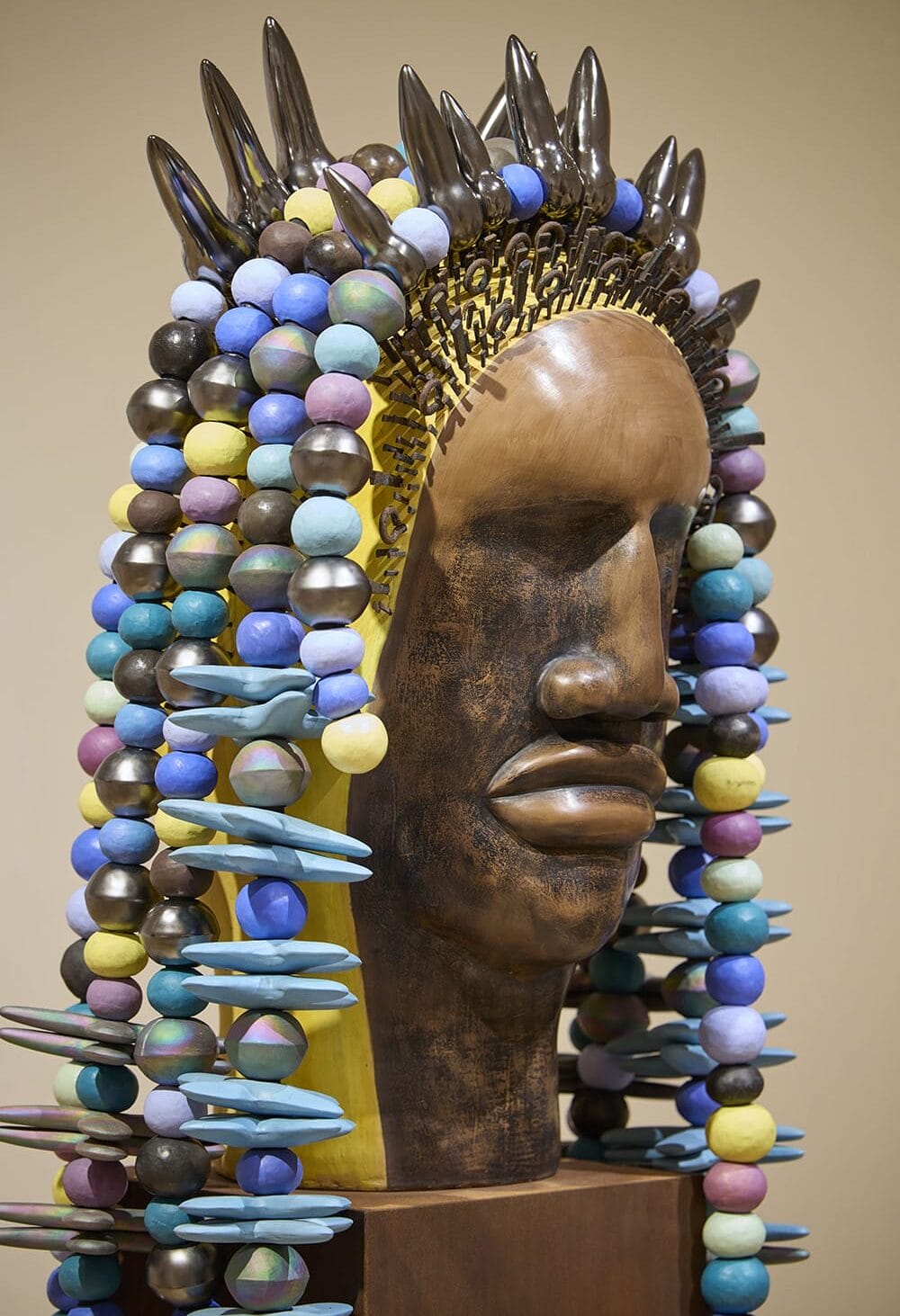 #Benin#Chile#Inspiring & Scenic
Austin Aligns Liberia, Nassau and Eight More in Leading Southwest Airlines New Routes for Summer 2027 Southwest Airlines adds 11 new and returning routes for summer 2027, expanding flights from Austin, Nashville and San Diego.
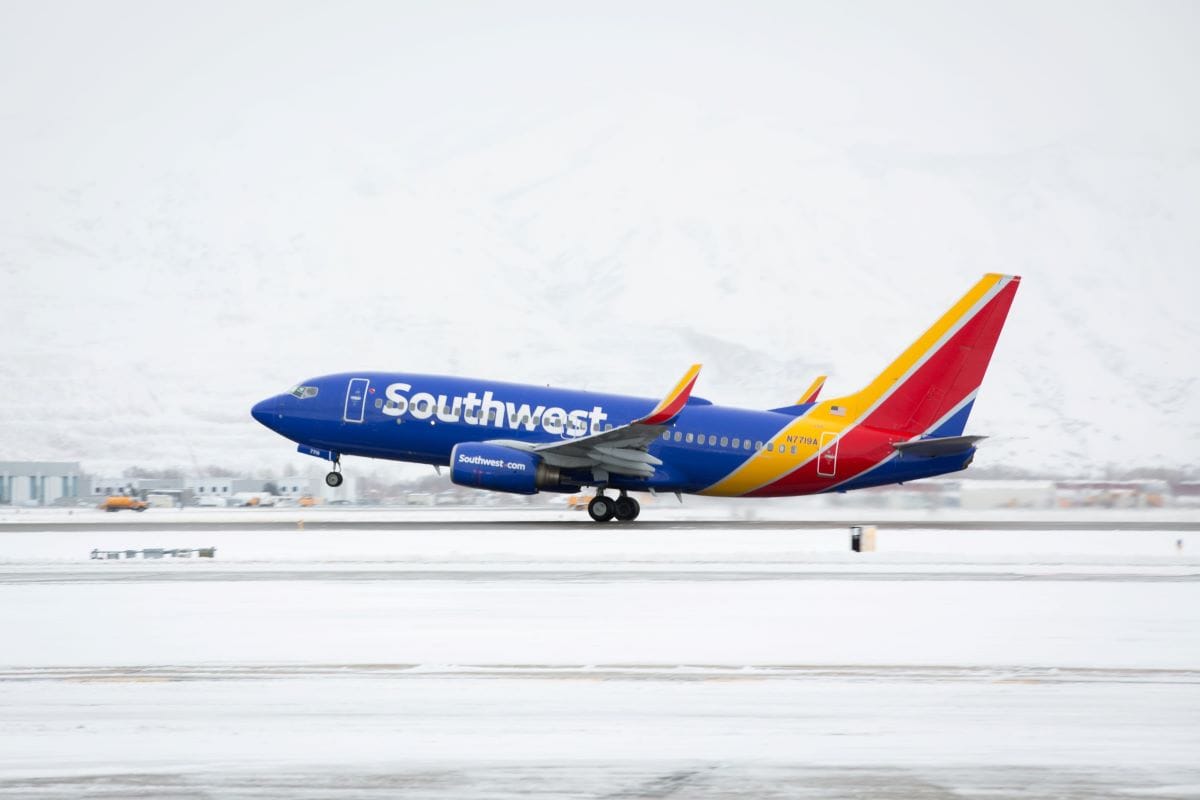 #Liberia#Bahamas#Nassau#Southwest
Burkina Faso has a hot tropical climate with a single rainy season from roughly June to September. The north is drier and Sahelian, while the southwest around Banfora is greener and wetter.
Typical daytime highs and rain in Ouagadougou (approximate averages).
Day 1-2 explore Ouagadougou's markets, crafts villages and the National Museum. Day 3 visit the Laongo sculpture park. Day 4-5 add Tiébélé or Sabou only if current travel advice allows.
Day 1-3 Ouagadougou and nearby sights. Day 4-6 travel to Bobo-Dioulasso for the Grand Mosque and old town. Day 7-10 continue to Banfora for waterfalls, Lake Tengrela and the Sindou Peaks – a route possible only when official advice permits.
Backpacker budget: about $25–40 a day
Emergency: 17 police · 18 fire
Ouagadougou airport is the main international gateway, with Bobo-Dioulasso receiving limited flights. Land borders exist with six neighbours, but many overland routes cross insecure areas and are not recommended.
✈️ Cheap flights to Burkina Faso: airports, flight times & best time to fly →
Currently, most governments advise against all or most travel to Burkina Faso because of armed conflict, kidnapping risk and political instability. Check your government's latest travel advice before making any plans, and avoid the north, east and border areas.
November to February is the most pleasant period, with dry weather and lower temperatures. March to May is extremely hot, and the rainy season runs roughly June to September.
It depends on your passport – many visitors need to arrange a visa in advance. Check the official government site or the embassy before you travel.
French has long been the main language of administration, while Mooré, Dioula and Fulfulde are widely spoken. English is not commonly understood.
FESPACO is the Pan-African Film and Television Festival, held in Ouagadougou every two years. It is the largest film festival on the African continent.
Approximate daily cost per person (stay, food, local transport).
Long-distance buses connect the main cities and are fairly comfortable. In towns, people use taxis and motorbikes.
Nothing in this tab yet – the agents add new stories every few minutes.
🌏 You reached the start of our archive.

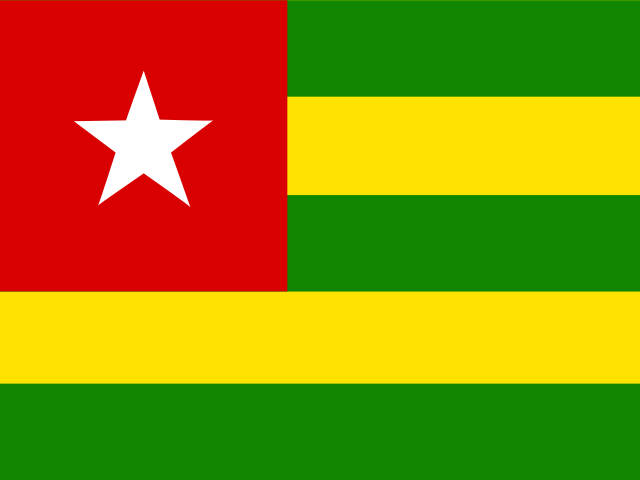 TogoPalm beaches, green hills and colourful markets
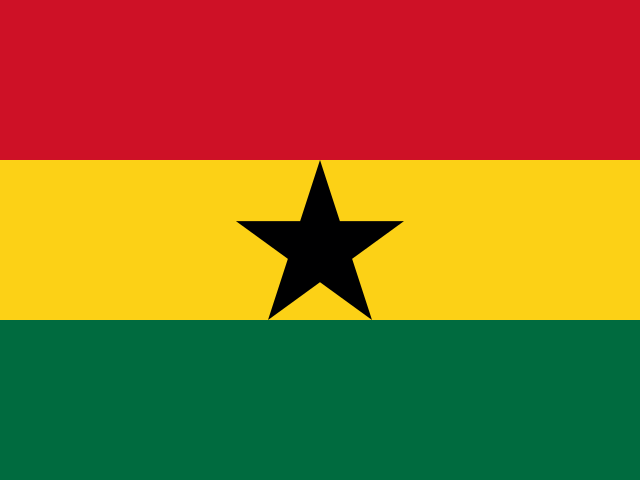 GhanaCastles, rainforest canopy walks and vibrant Accra
_(2).jpg/500px-Ganvi%C3%A9_fishing_village_on_stilts_in_Benin_(10282059623)_(2).jpg)
 BeninBirthplace of Vodun, royal palaces and a village on stilts
 MaliMud mosques, Niger River towns and Sahel music
 Côte d'IvoireA giant basilica, lagoon city life and palm-fringed beaches
 GuineaGreen highlands, waterfalls and the source of great rivers
 LiberiaSurf beaches, rainforest and Africa's oldest republic
 NigeriaBig-city energy, Afrobeats and lush highlands