


Guinea📸 Photo album · 5 photos · Ultra-HD
Green highlands, waterfalls and the source of great rivers
🕒 –:– local time0 stories this week0 sources 6 top placesCapital Conakry
Guinea's highlands and river valleys have been home to farming and herding peoples for thousands of years. The region was part of the great West African empires: the Ghana Empire's influence reached the north, and in the thirteenth century the Mali Empire, founded by the Malinke hero Sundiata Keita, rose in the Upper Niger basin along the border with present-day Mali. The headwaters of the Niger, Gambia and Senegal rivers all lie in Guinea's Fouta Djallon plateau, which earned it the nickname 'water tower of West Africa'.
In the eighteenth century Fulani (Peul) Muslims established the Imamate of Fouta Djallon, a theocratic state with its capital at Timbo and a strong tradition of Islamic learning. Along the coast, European traders bought gold, ivory and enslaved people. In the late nineteenth century France expanded inland, facing fierce resistance from leaders such as Samory Touré, whose Wassoulou Empire fought French forces for nearly two decades before his capture in 1898.
Guinea became part of French West Africa, and its bauxite and fertile lands drew colonial interest. In a 1958 referendum, Guinea famously voted against joining the French Community and became the first French African colony to gain independence, under President Ahmed Sékou Touré. The years that followed brought a strongly centralised, socialist-leaning state and a vibrant national cultural policy that promoted music and dance.
Since 1984 the country has experienced several changes of government and periods of political tension, while mining, especially bauxite, has become the backbone of the economy. For travellers, Guinea remains one of West Africa's least-visited countries, rewarding the adventurous with waterfalls and canyons in the Fouta Djallon, rainforest wildlife in the southeast, the Îles de Los off Conakry and a musical tradition that has produced some of Africa's greatest griots and dance ensembles.
Entry rules depend on your passport and change often.
Before you book, check the official rules for your passport:
The latest visa and entry news for Guinea appears below as soon as publishers report it.
🛰️ The agents haven't spotted fresh news about Guinea in the last few days – here is the travel guide, plus the latest from nearby countries.
Ghana Opens a Free Visa Route for African Travellers in a Major Tourism Move Ghana’s free e-visa for African passport holders leads a look at changing entry rules and tourism trends across Africa in 2026.
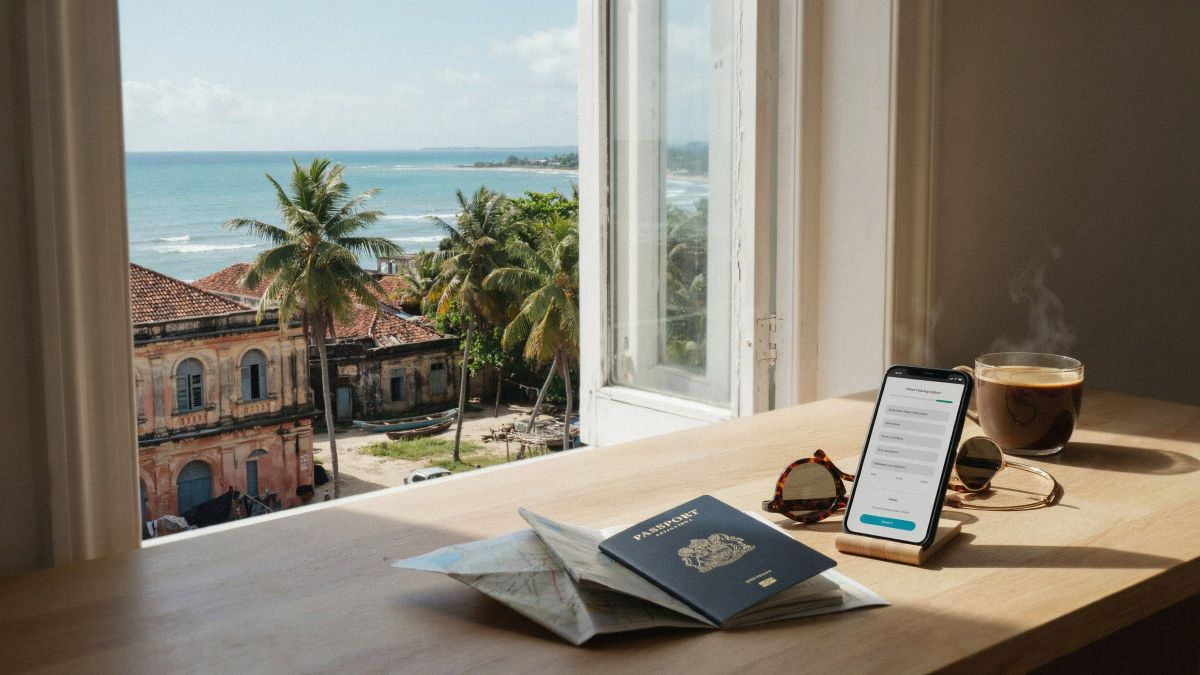 #Ghana#e-Visa#Passports#Visas & Entry Rules
A good sale to Liberia, Costa Rica. The $386 fare is the regular fare includes advance seat assignment and a normal size
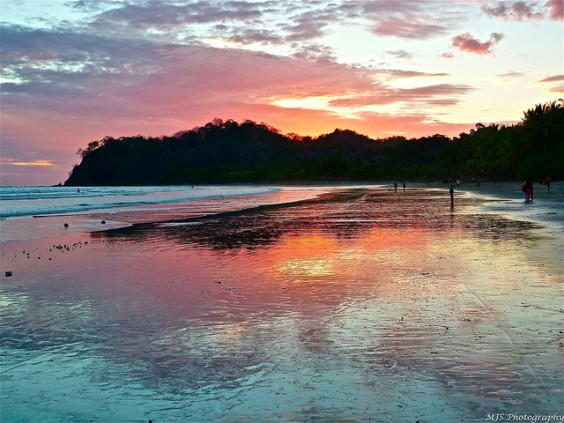 #Liberia#Costa Rica#Delta#Deals & Budget
Etihad Airways Expands Nigeria Reach With Ibom Air as Lagos and Accra Flights Begin in 2027 Etihad Airways will be reinforcing its plan of expansion into West Africa with a recent interline partnership with the Nigerian airline…
 #United Arab Emirates#Nigeria#Accra#Etihad
Austin Aligns Liberia, Nassau and Eight More in Leading Southwest Airlines New Routes for Summer 2027 Southwest Airlines adds 11 new and returning routes for summer 2027, expanding flights from Austin, Nashville and San Diego.
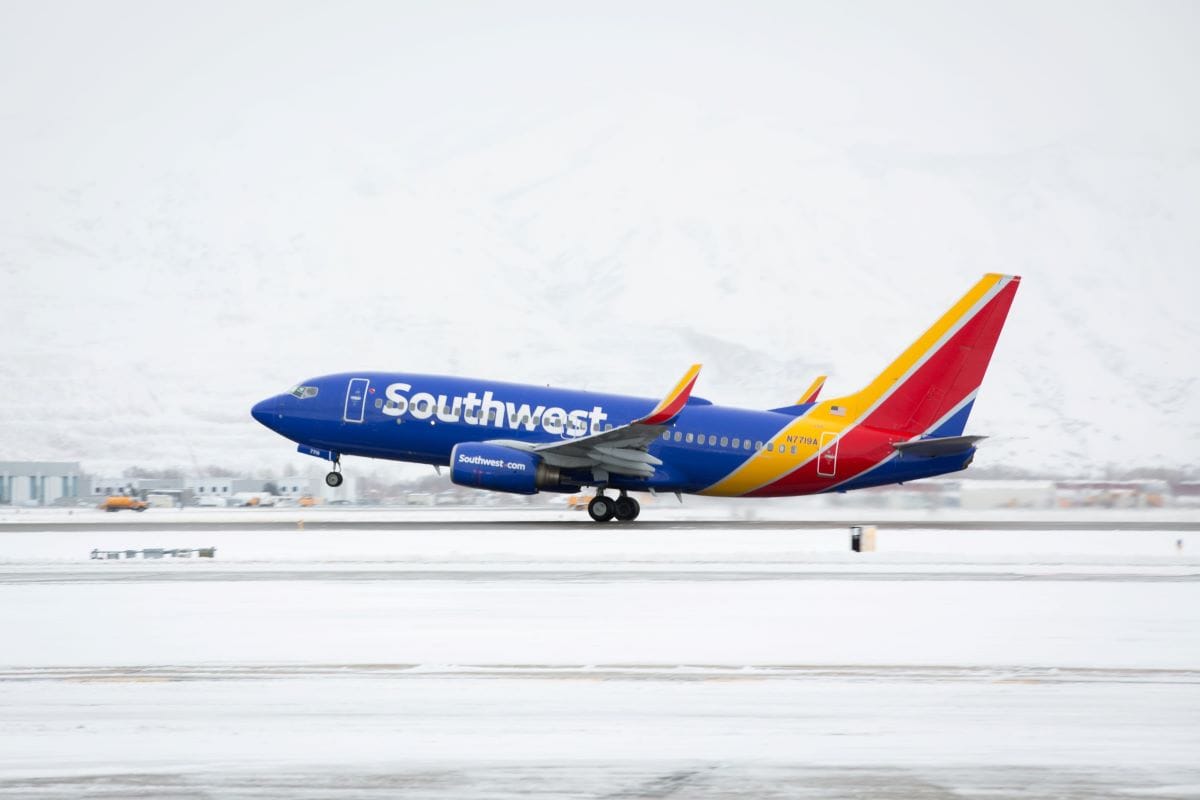 #Liberia#Bahamas#Nassau#Southwest
Guinea has a tropical climate with a pronounced rainy season, and the coast around Conakry receives some of the heaviest rainfall in West Africa. The Fouta Djallon highlands are noticeably cooler, while Upper Guinea is hotter and drier.
Typical daytime highs and rain in Conakry (approximate averages).
Day 1-2 explore Conakry's museum, markets and music venues. Day 3-4 take a boat to the Îles de Los for beaches. Day 5-6 head inland to Kindia and the Voile de la Mariée waterfall.
Day 1-2 Conakry. Day 3 Kindia and its waterfalls. Day 4-5 Dalaba's hill walks. Day 6-9 trek around Pita and Labé to Kambadaga Falls and remote villages. Day 10-12 return via Mamou to Conakry.
Backpacker budget: about $30–50 a day
Emergency: 117 police · 18 fire
Conakry International Airport (Gbessia) is the main gateway with flights from Europe, Morocco and West African hubs. Overland routes link Guinea to Senegal, Mali, Sierra Leone and Côte d'Ivoire, though some roads are rough.
✈️ Cheap flights to Guinea: airports, flight times & best time to fly →
Guinea can be visited, but political tensions and demonstrations sometimes occur, especially in Conakry. Check your government's latest travel advice before you go and stay informed during your trip.
November to February is the most comfortable time, with dry roads and pleasant highland temperatures. The rainy season can make travel very difficult.
A week covers Conakry, the islands and Kindia. Allow two weeks to trek in the Fouta Djallon.
It depends on your passport – check the official Guinean government site or your nearest embassy before you travel.
French is the official language, while Pular, Malinke and Susu are widely spoken. English is uncommon outside some business circles.
Approximate daily cost per person (stay, food, local transport).
Shared taxis and minibuses link the towns, though journeys can be slow. Hiring a car and driver is easiest for the highlands.
Nothing in this tab yet – the agents add new stories every few minutes.
🌏 You reached the start of our archive.

 Sierra LeonePalm-fringed beaches, islands and rainforest
 LiberiaSurf beaches, rainforest and Africa's oldest republic
 Côte d'IvoireA giant basilica, lagoon city life and palm-fringed beaches
 Guinea-BissauThe Bijagós islands – mangroves, turtles and saltwater hippos
 SenegalAtlantic beaches, music and the spirit of teranga
.jpg/500px-The_Gambia_(3517743773).jpg)
 GambiaSunny beaches, river cruises and birdwatching paradise
 Burkina FasoPainted villages, rock peaks and Africa's biggest film festival
 GhanaCastles, rainforest canopy walks and vibrant Accra