


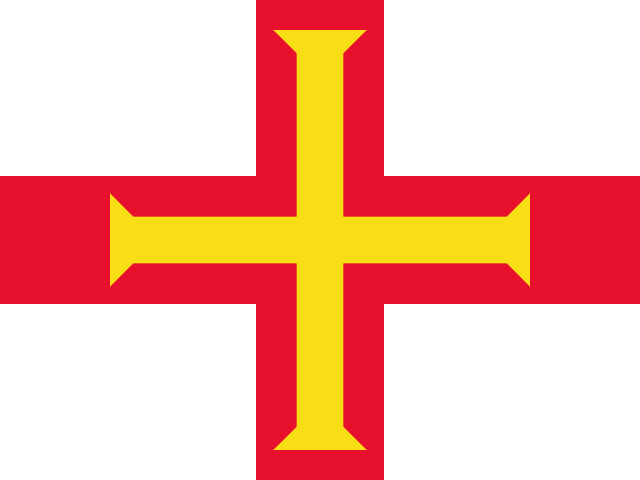
Guernsey📸 Photo album · 4 photos · Ultra-HD
Island harbours, sandy coves and car-free Sark
🕒 –:– local time0 stories this week0 sources 4 top placesCapital St. Peter Port
Guernsey has been inhabited for thousands of years, and its Neolithic farmers left behind impressive passage graves such as Le Déhus and carved standing stones like La Gran'mère du Chimquière, a statue-menhir that still stands in a churchyard and is sometimes decorated with flowers. Romans traded through the islands, and the remains of a Gallo-Roman merchant ship were found in St Peter Port harbour.
In the 10th century the Channel Islands became part of the Duchy of Normandy, and when William, Duke of Normandy conquered England in 1066 they came under the same ruler. In 1204 King John lost mainland Normandy to France, but the islands chose to stay loyal to the English crown – in return they were allowed to keep their own laws and self-government, the root of their unique status today. Castle Cornet was built to guard St Peter Port, and during the English Civil War it held out for the king long after the island itself sided with Parliament.
Over the centuries the island prospered from privateering, trade and later from tomatoes and flowers grown in glasshouses. The French writer Victor Hugo lived here in exile from 1855 to 1870, completing Les Misérables at his house overlooking the harbour. During the Second World War, Guernsey was occupied by German forces from 1940 until its liberation on 9 May 1945, and many children were evacuated to Britain. Bunkers and towers from that era still dot the coastline.
Today Guernsey is a self-governing British Crown Dependency, part of a Bailiwick that also includes Alderney, Sark and Herm. Visitors find a blend of British and Norman-French culture: French-style street names, the old Guernésiais language, a strong maritime heritage and a calm island pace that makes it easy to explore castles, cliffs and occupation sites.
Entry rules depend on your passport and change often.
Before you book, check the official rules for your passport:
The latest visa and entry news for Guernsey appears below as soon as publishers report it.
🛰️ The agents haven't spotted fresh news about Guernsey in the last few days – here is the travel guide, plus the latest from nearby countries.
France came out top overall, with nearly 3,000 unusual property listings on Airbnb, including more than 1,000 castles.
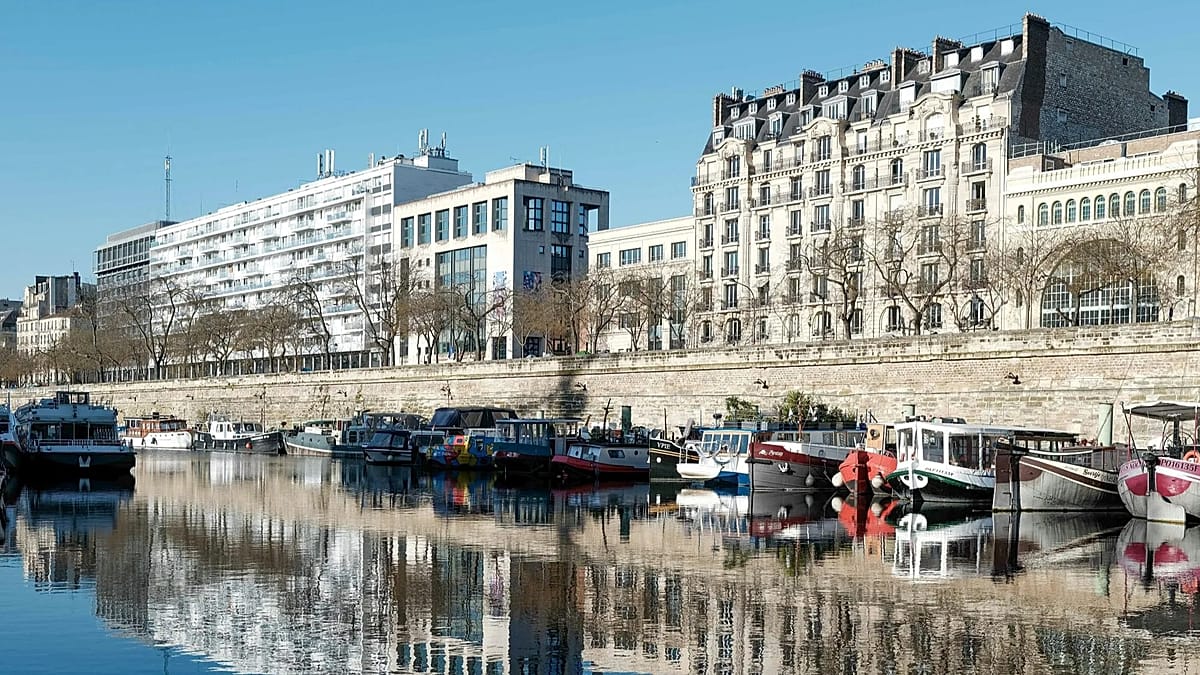 #France#Airbnb
France Rises With Germany and More Schengen Countries as UK Enforces £20 ETA for European Visitors With Two-Year Validity and Pre-Boarding Checks France rises with Germany and more Schengen countries as the UK enforces its £20…
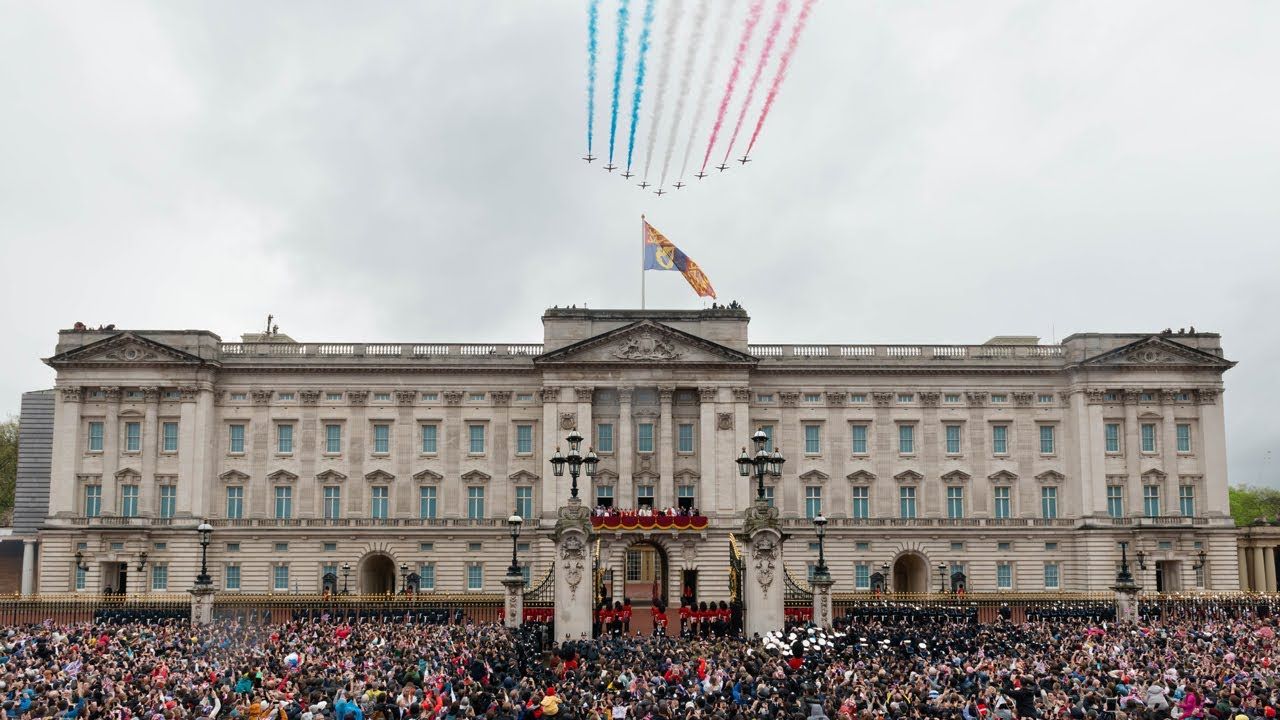 #France#Germany#Schengen#Visas & Entry Rules
A government minister, an EU regulator, a member of the European Parliament, and the airline and destination chiefs who move the corridor rarely share a stage. On October 15 in Dublin, they do, and so can you.
 #Ireland
Switzerland Follows Italy and Other Markets as Paris Travel Grows Through Luxury, Culture and Cuisine Switzerland, Italy, Belgium and Germany drive Paris travel growth through luxury, culture, cuisine, fashion and heritage…
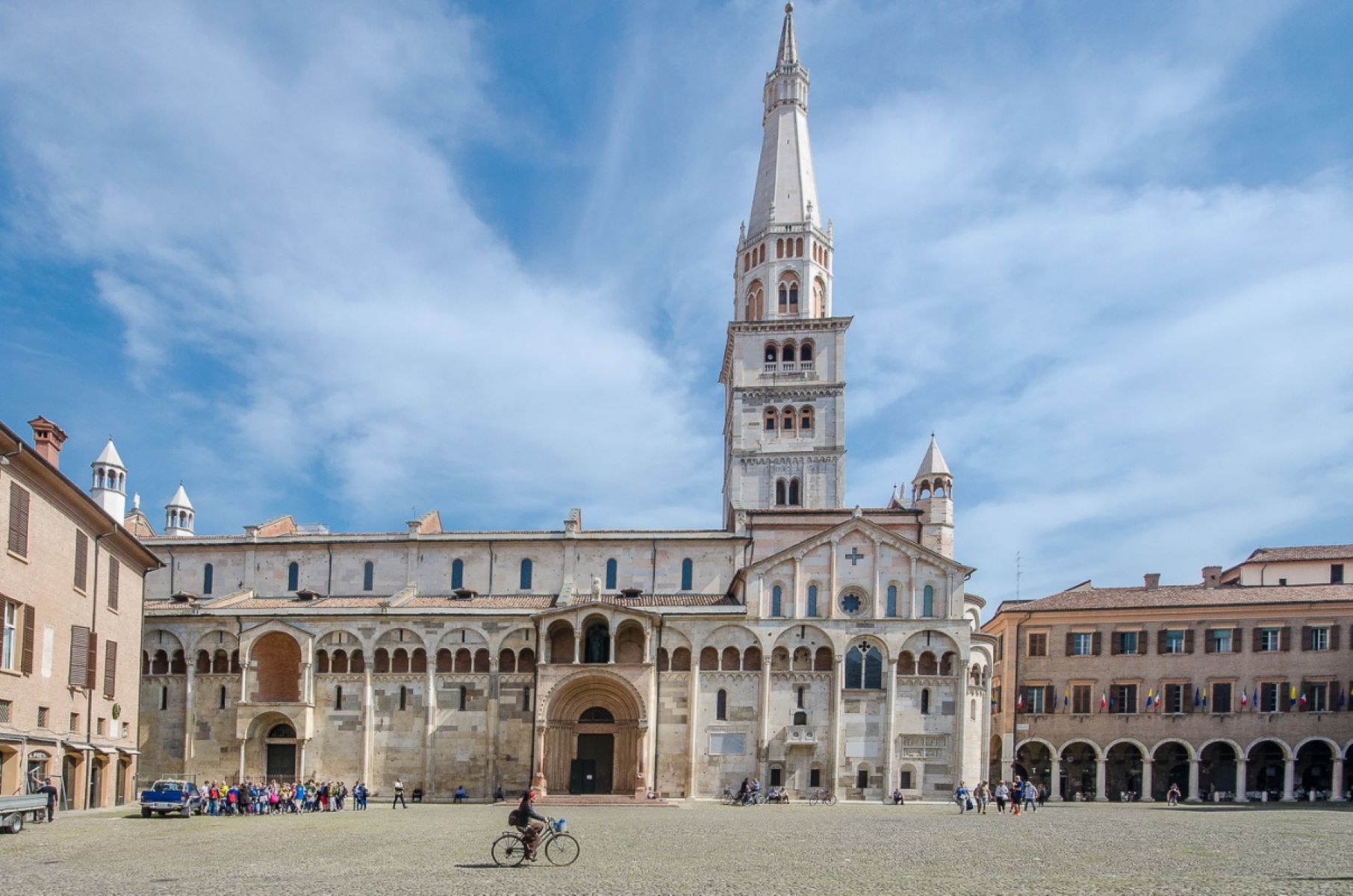 #Switzerland#Italy#Paris#Inspiring & Scenic
Sweden Joins Netherlands and More as Hamburg Travel Stays Resilient With 1.6 Million July Nights Sweden, Netherlands, Denmark, Switzerland and Austria support Hamburg travel as July 2026 records 1.6 million overnight stays.
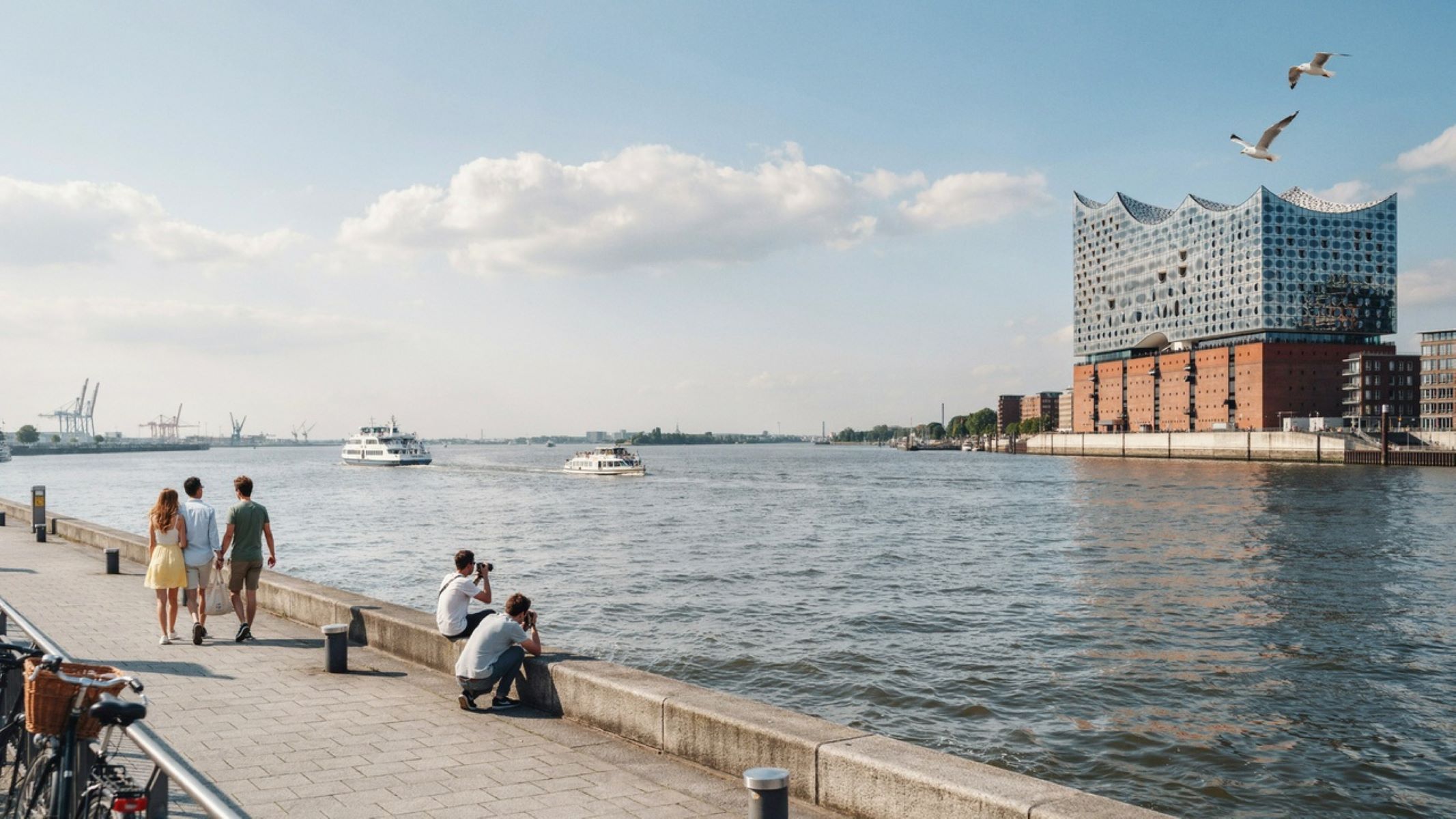 #Sweden#Netherlands
Amsterdam Stands Alongside Maastricht, Eindhoven and More as Marriott Unlocks Netherlands Growth with Eight New Hotels Marriott expands in the Netherlands with eight hotels and 719 rooms across Amsterdam, The Hague, Breda…
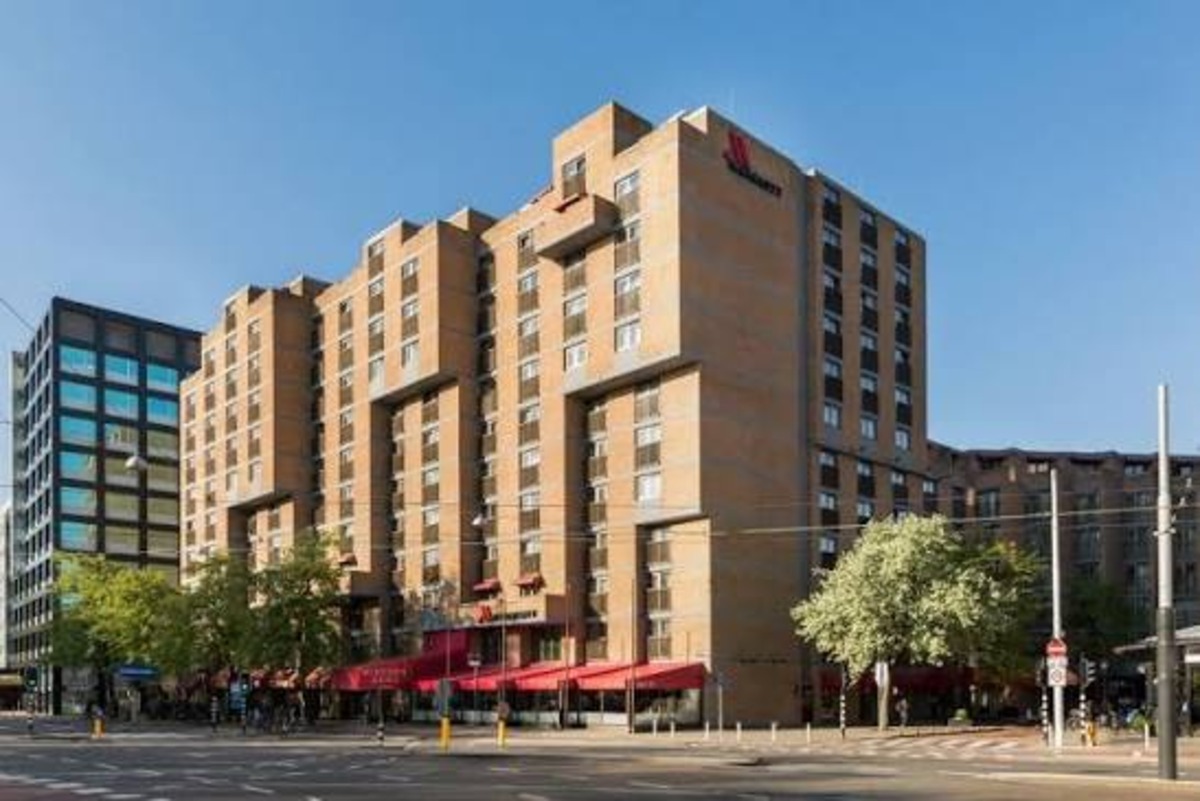 #Netherlands#Amsterdam#Marriott#Hotels & Stays
Ireland Travel Update on the New Ryanair Operating Licence Challenge as the Airline Now Vows to Fight Back The operating licence dispute concerns EU ownership rules. No grounding is announced in the filing.
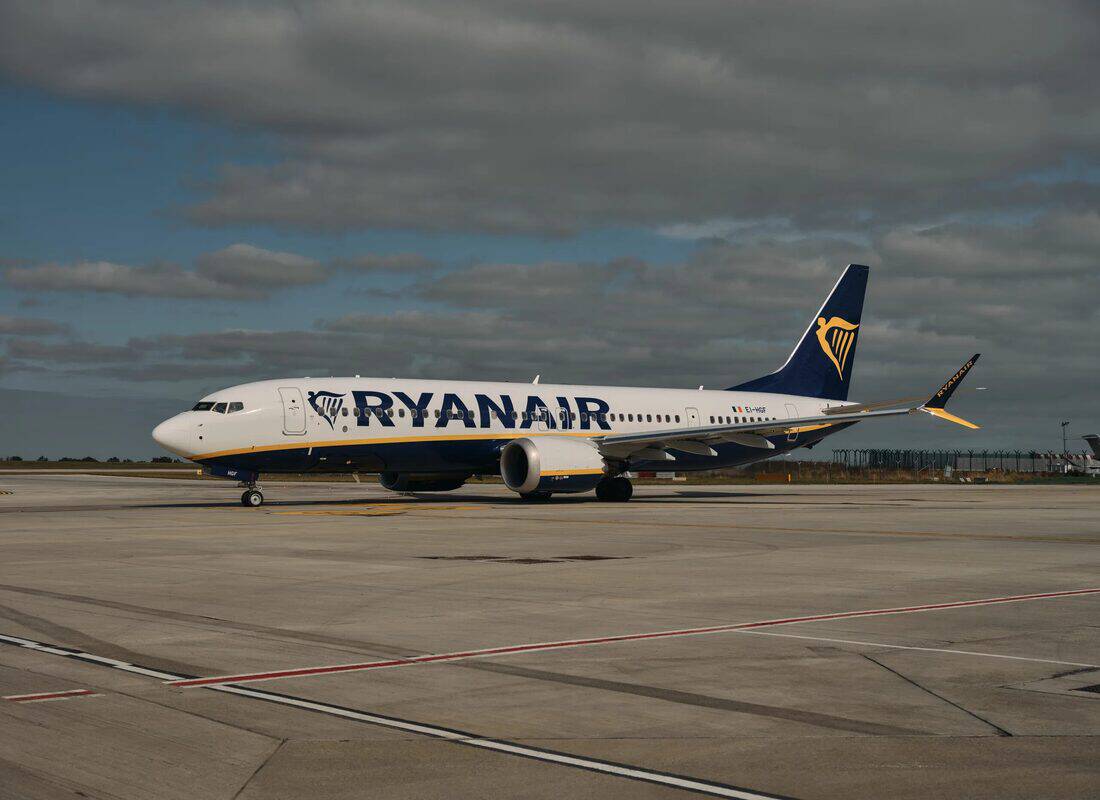 #Ireland#Ryanair#Flights & Airlines
Aero Vodochody and Thales Belgium have signed a memorandum of understanding (MoU) to further develop the counter-unmanned aircraft…
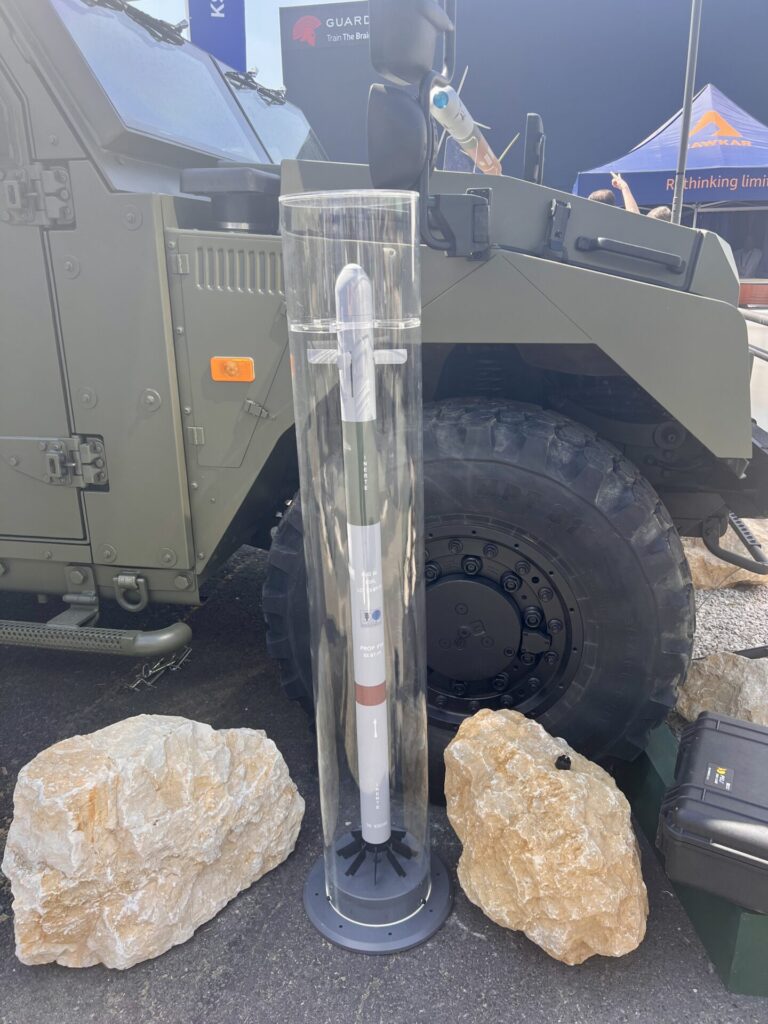 #Belgium#Flights & Airlines
Guernsey has a mild maritime climate, warmed by the Gulf Stream, with cool summers and few frosts. Weather is similar across the Bailiwick, though the smaller islands feel windier and more exposed.
Typical daytime highs and rain in St Peter Port (approximate averages).
Day 1-2 explore St Peter Port, Castle Cornet and Hauteville House. Day 3 walk the south coast cliff path and visit the Little Chapel. Day 4 day-trip to Herm and Day 5 explore occupation sites and Lihou Island at low tide.
Day 1-4 Guernsey's town, castles, cliffs and west-coast beaches. Day 5 Herm, Day 6-7 Sark for cycling and stargazing, and Day 8-10 Alderney for forts, birdlife and quiet beaches before returning to Guernsey.
Backpacker budget: about $90–130 a day
Emergency: 999 or 112 police, fire & ambulance
Guernsey Airport has flights from the UK and some nearby destinations. Ferries link St Peter Port with England, Jersey and St Malo in France, and smaller boats serve Herm, Sark and Alderney.
✈️ Cheap flights to Guernsey: airports, flight times & best time to fly →
Yes, Guernsey is one of the safest places in the British Isles, with very low crime. The main hazards are tides, cliffs and narrow roads.
May to September brings the warmest weather and the best ferry connections to the other islands. Spring and autumn are quieter and great for walking.
Three to five days lets you see Guernsey's highlights plus Herm. Allow a week or more to include Sark and Alderney.
Requirements depend on your nationality and where you are travelling from. Check the official States of Guernsey website or UK government guidance before you travel.
The island bus service covers most of Guernsey and is very affordable. Walking, cycling and hiring a small car are also popular, and ferries connect to the other islands.
Approximate daily cost per person (stay, food, local transport).
Buses cover Guernsey and cars can be hired, but lanes are narrow. Ferries run to Herm, Sark and Alderney, with small planes to Alderney.
Nothing in this tab yet – the agents add new stories every few minutes.
🌏 You reached the start of our archive.

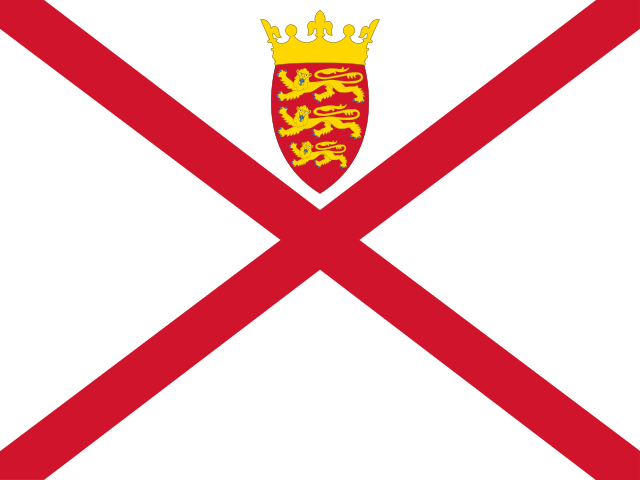 JerseySandy bays, castles and the sunniest of the Channel Islands

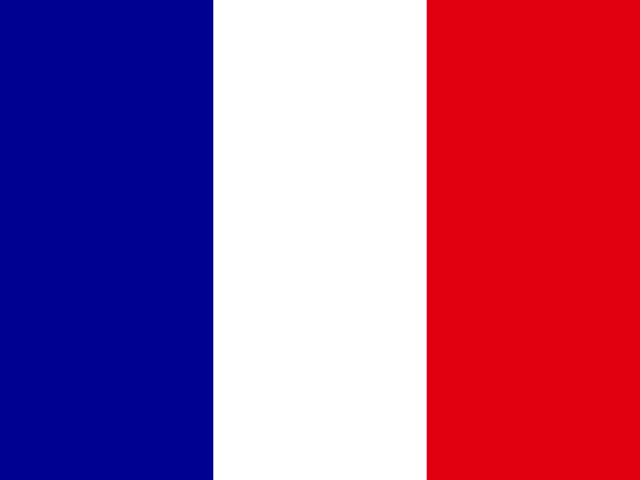 FranceIconic Paris, châteaux, vineyards and sunny Riviera beaches
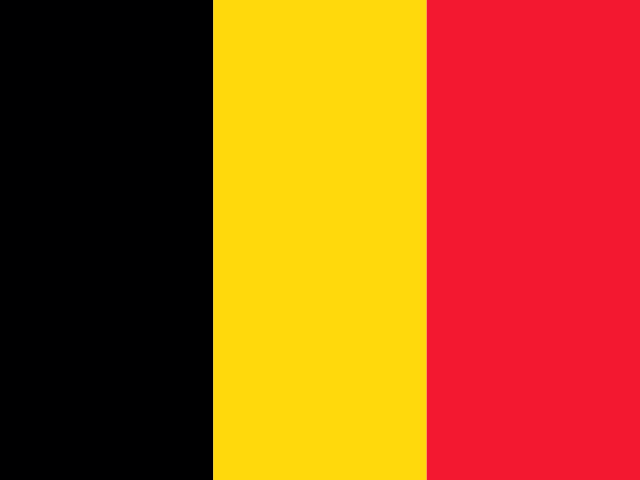 BelgiumMedieval towns, chocolate, waffles and great beer
.jpg/500px-Laxey_Wheel_-_panoramio_(2).jpg)
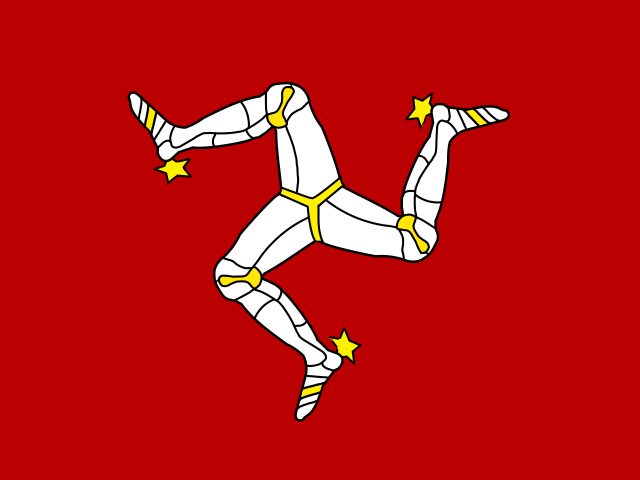 Isle of ManMotorbike legends, Victorian railways and Celtic heritage
 IrelandGreen hills, wild Atlantic coast and lively pub music
.jpg/500px-Utrecht_(16295236803).jpg)

 NetherlandsCanals, bicycles, tulips and world-class art
 LuxembourgClifftop capital, fairy-tale castles and Moselle vineyards

 United KingdomRoyal history, green countryside and cosy pubs