.jpg/1920px-Lucerne,_Switzerland_-_panoramio_(4).jpg)


.jpg/1920px-Trachslau,_Schweiz_(Unsplash).jpg)
Switzerland📸 Photo album · 9 photos · Ultra-HD
 Swiss Alps
 Zurich
Snowy Alps, lakeside towns and trains that run on time
🕒 –:– local time10 stories this week3 sources 6 top placesCapital Bern
People have lived in the valleys and lake shores of Switzerland since the Stone Age, and the remains of prehistoric pile dwellings around its lakes are now protected by UNESCO. In the late Iron Age the Celtic Helvetii, who gave the country its Latin name Helvetia, settled the central plateau, until Julius Caesar defeated them in 58 BC. Under Roman rule towns such as Augusta Raurica and Aventicum flourished, and after Rome's decline the land was settled by Burgundians in the west and Alemanni in the north and east, a split still echoed in today's French- and German-speaking regions.
Switzerland's origins as a nation are traced to 1291, when the alpine communities of Uri, Schwyz and Unterwalden swore an alliance of mutual defence. Over the following centuries cities and rural cantons such as Lucerne, Zurich and Bern joined the Confederation, which defeated Habsburg and Burgundian armies and became famed for its mercenary soldiers. The Reformation divided the cantons between Protestant and Catholic, with Zurich and Geneva becoming major centres of the new faith, and the Peace of Westphalia in 1648 formally recognised Swiss independence.
In 1798 French revolutionary armies imposed the short-lived Helvetic Republic, but the Congress of Vienna in 1815 restored the Confederation and recognised its permanent neutrality. After a brief civil war in 1847, the 1848 constitution created a modern federal state with Bern as its seat of government. Railways, tunnels, banking, watchmaking and tourism brought prosperity, while Switzerland stayed neutral through both world wars. Geneva became home to the International Committee of the Red Cross and many international organisations, and women gained the federal vote in 1971.
Today visitors enjoy a remarkably diverse small country with four national languages, medieval old towns, grand lakeside resorts and some of the world's most spectacular railway journeys. Direct democracy, cantonal traditions and alpine customs remain proudly alive, from cow processions to yodelling, while museums, castles and UNESCO sites reveal the long history behind the postcard views.
Entry rules depend on your passport and change often.
Before you book, check the official rules for your passport:
The latest visa and entry news for Switzerland appears below as soon as publishers report it.
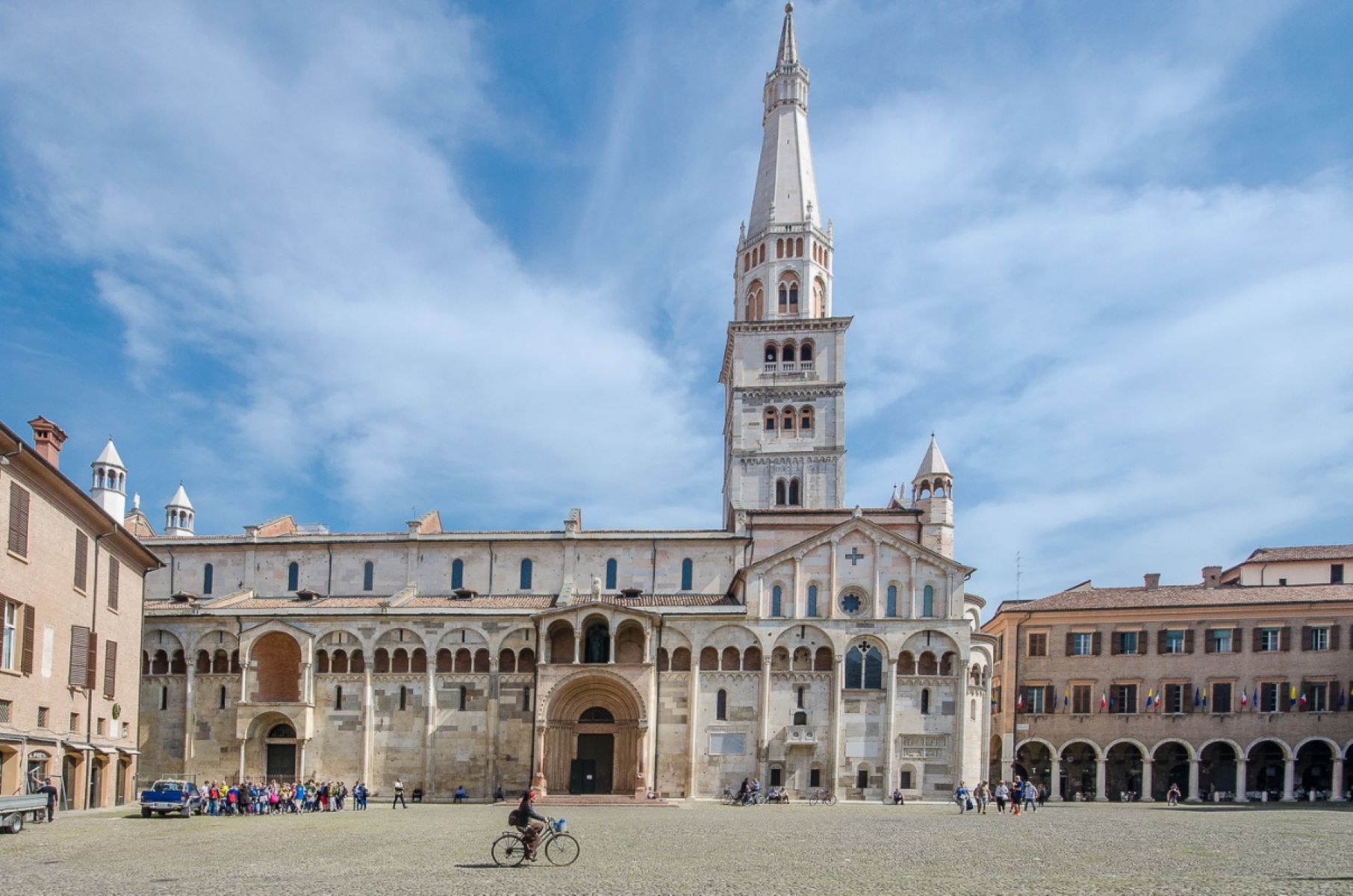
Switzerland Follows Italy and Other Markets as Paris Travel Grows Through Luxury, Culture and Cuisine Switzerland, Italy, Belgium and Germany drive Paris travel growth through luxury, culture, cuisine, fashion and heritage…
 #Switzerland#Italy#Paris#Inspiring & Scenic
France Unites With Austria and More as New Ski Hotels Transform Europe Winter Travel in 2026-27 France, Austria, Italy and Switzerland welcome new ski hotels for winter 2026-27, boosting Alpine travel, luxury stays and ski…
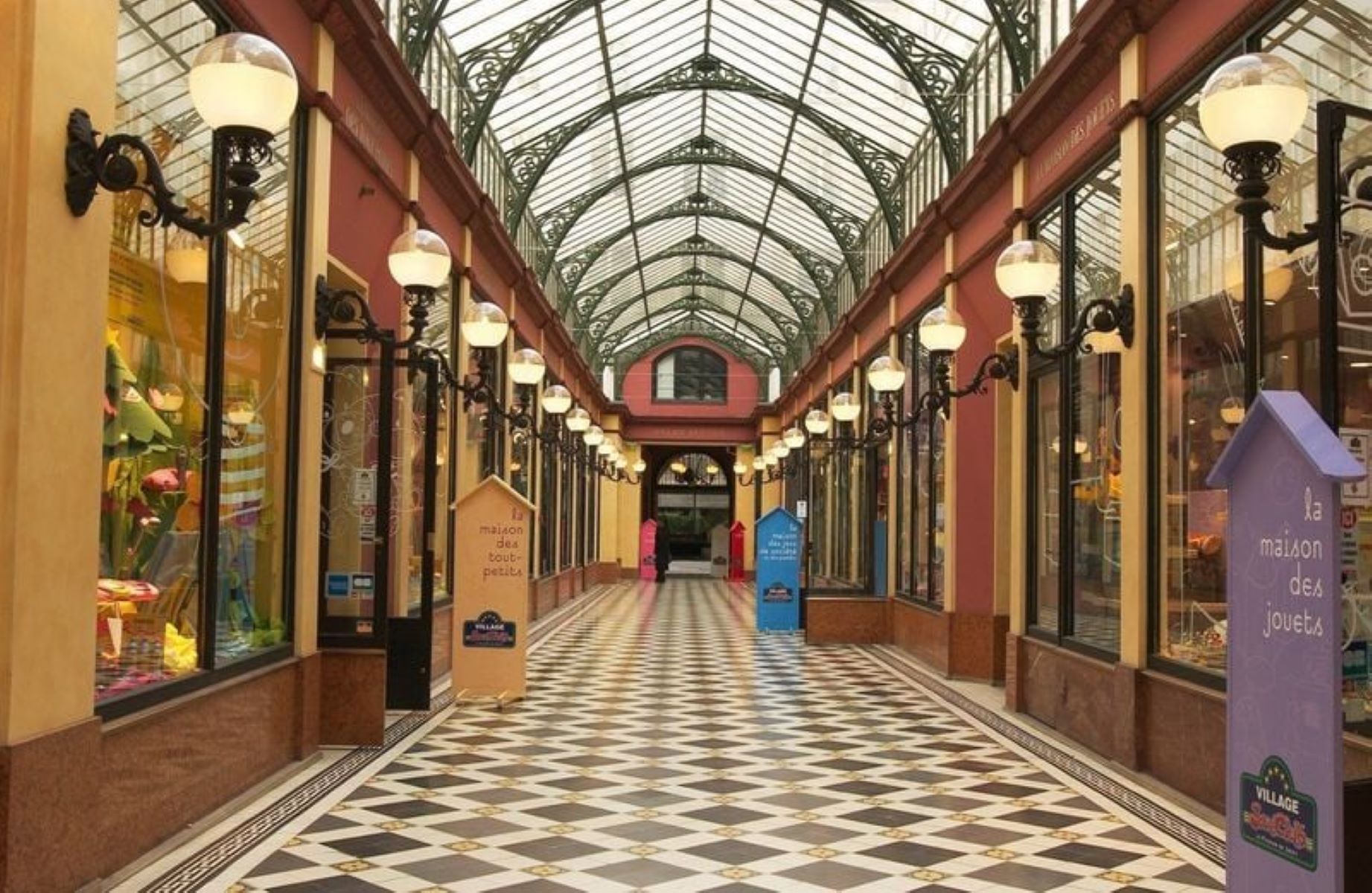 #France#Austria#Hotels & Stays
Basel Cathedral Opens Affordable Tower Experience With Sweeping Rhine Views in Switzerland Basel Minster offers free entry, panoramic tower views, historic architecture and affordable sightseeing in Switzerland
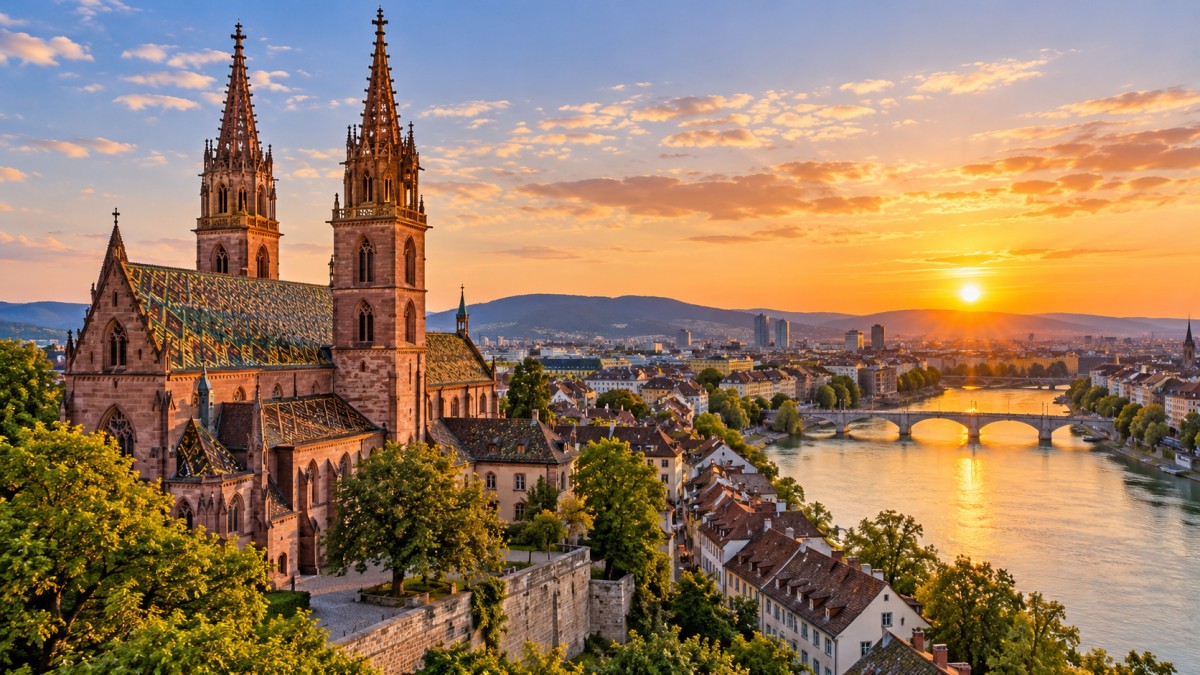 #Switzerland#Pilgrimage & Spiritual
Condé Nast Traveler readers rate their top hotels in Switzerland, from lakes to mountains.
 #Switzerland#Destinations
Switzerland Follows More as France Night Travel Shines with Loire Valley Food and Riverside Fun Switzerland, Netherlands, Belgium and Poland travellers discover France night travel with Loire Valley food, château evenings and…
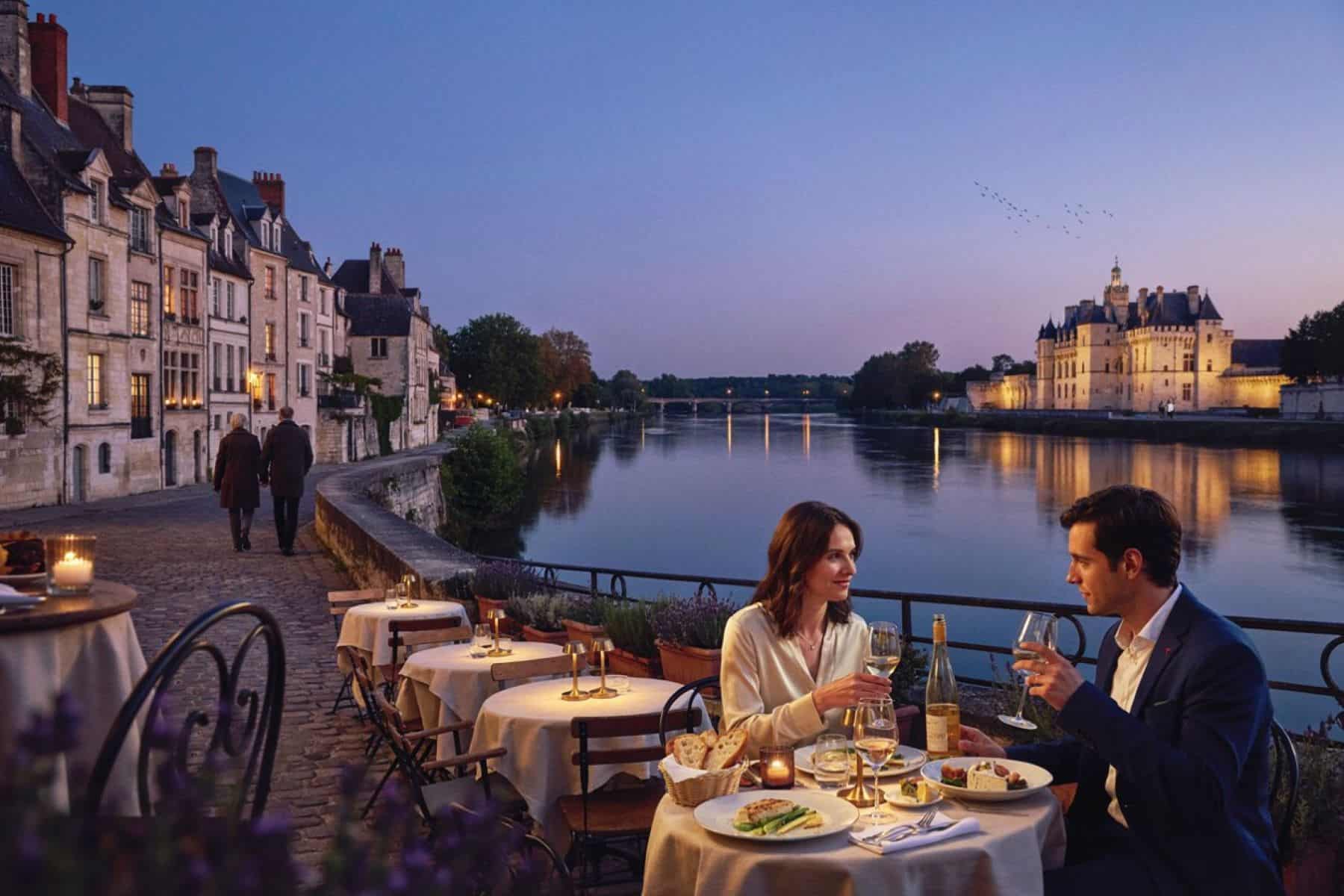 #France#Switzerland#Loire Valley
Switzerland And France Stand Alongside Other European Powerhouses As High-Spending Tourists Chase Premium Travel Switzerland, France and Italy show how Europe’s expensive destinations turn premium prices into stronger tourism…
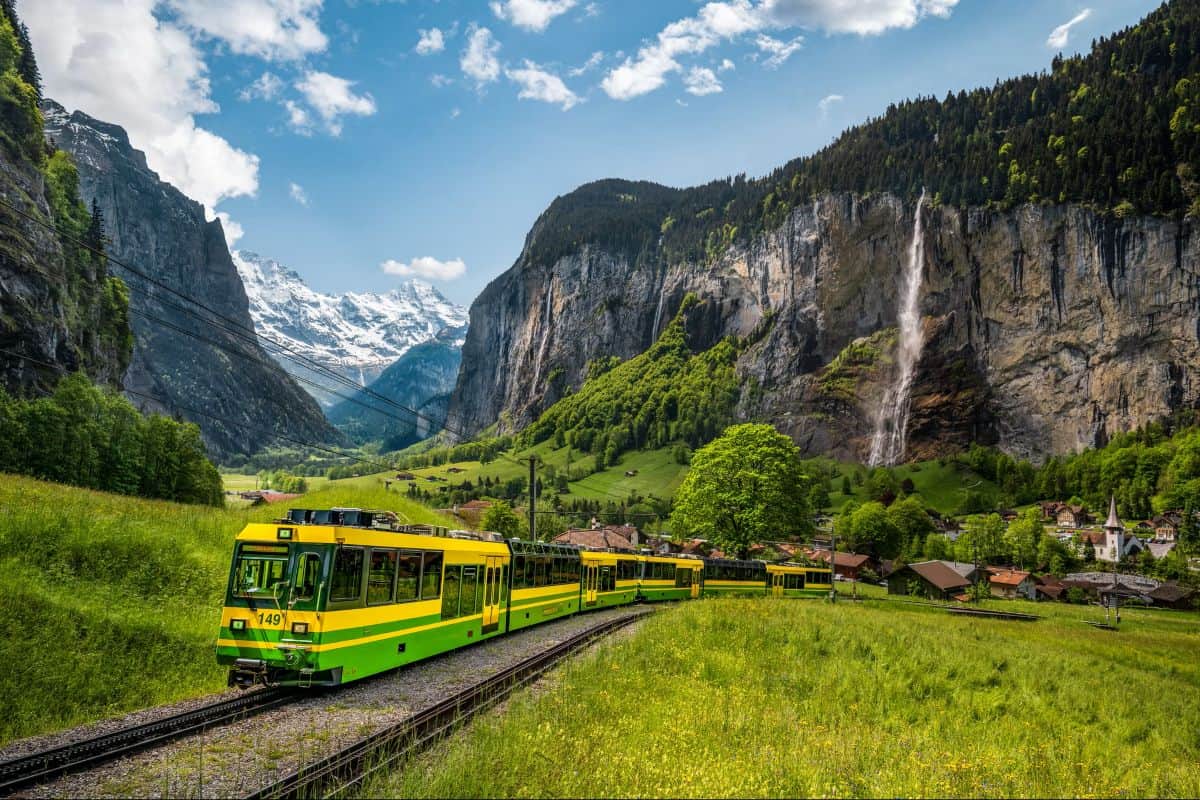 #Switzerland#France
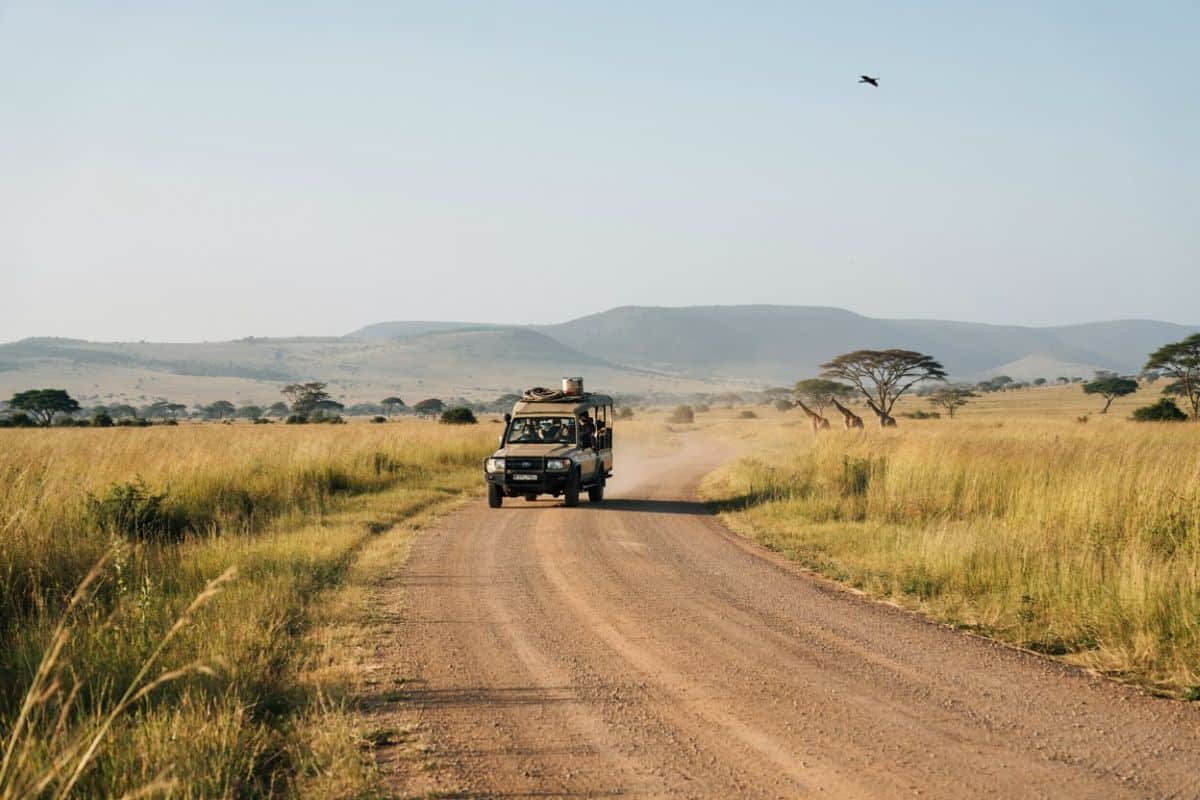
South Africa Airport Transfers Take Centre Stage in Switzerland’s Travel Safety Advice Switzerland’s travel advice highlights regional risks, safari routes, islands and airport transfers travellers should check before visiting…
 #South Africa#Switzerland#Safari#Islands
Exercise normal precaution in Switzerland. Switzerland is generally a safe destination for travelers. Switzerland's mountains can be dangerous because of avalanches, landslides, and sudden weather changes. Review our Travel…
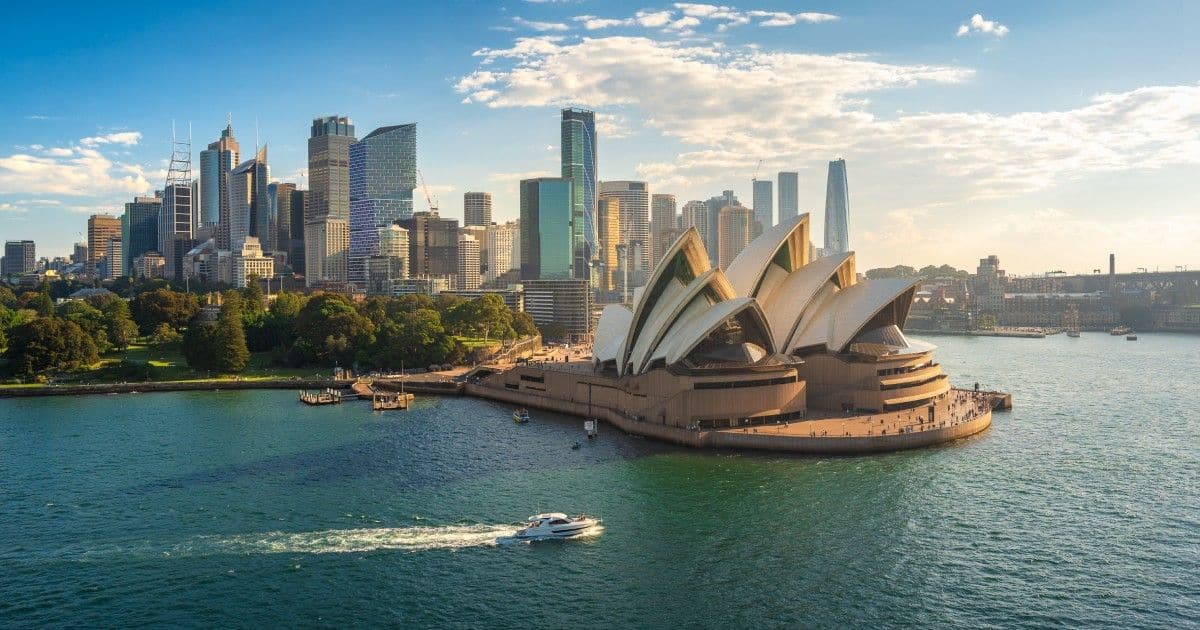
#Switzerland#Visas & Entry RulesSydney Named World’s Best City for People in Their 20s, Ahead of Zurich and Copenhagen Sydney has been named the world’s best city for people in their 20s, ranking ahead of Zurich and Copenhagen in a new global study. The…
 #Australia#Switzerland#Sydney#Zurich
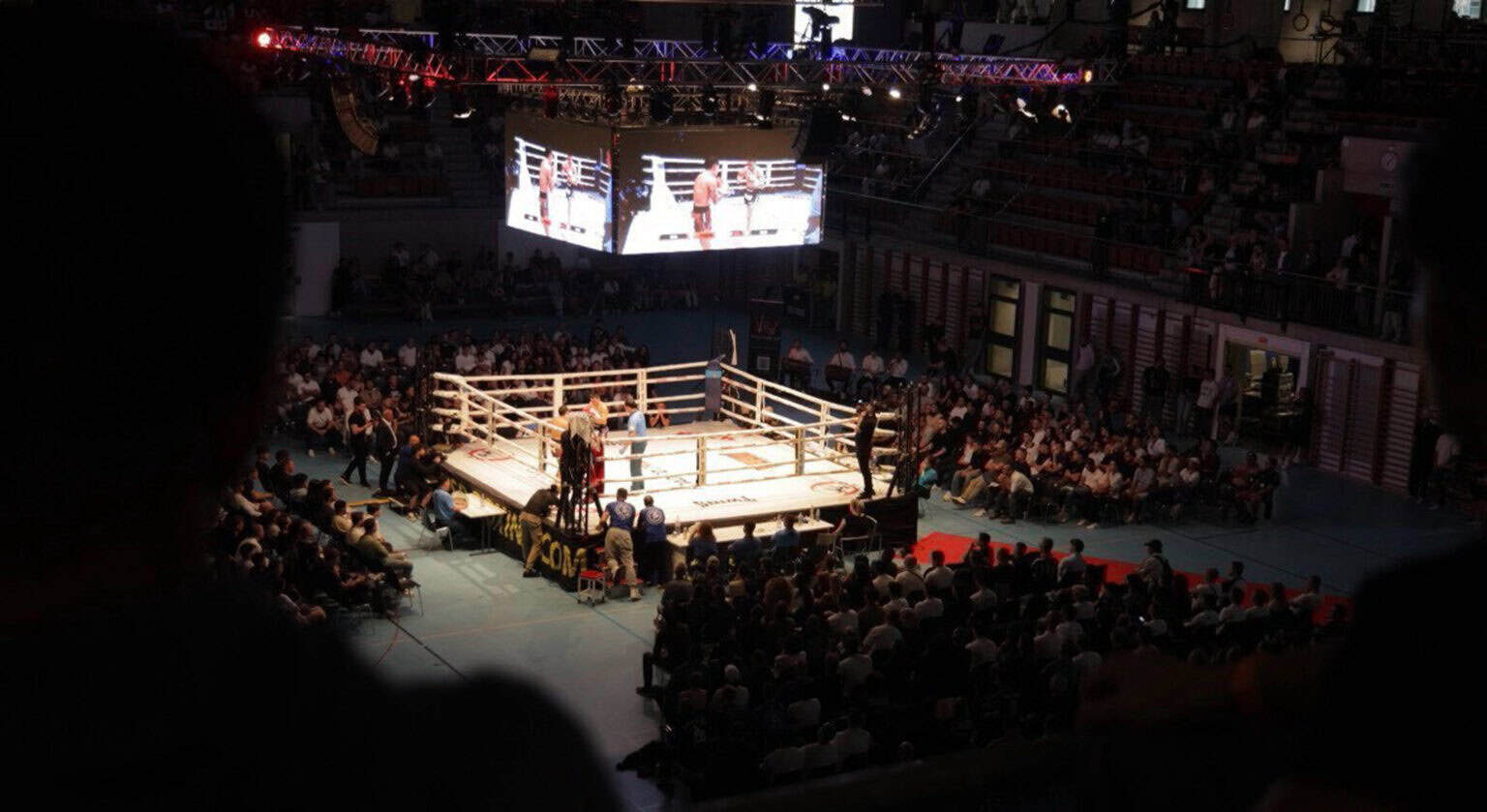
Thailand Promotes its Muay Thai Tourism in Switzerland as TAT Bern Event Draws More than Two Thousand Spectators Thailand promotes Muay Thai tourism in Switzerland as TAT’s Bern event draws 2,000 spectators through sport, culture…
 #Thailand#Switzerland
Switzerland's climate varies dramatically with altitude, from mild lowland cities to snowbound high peaks. Ticino in the south is sunnier and warmer, while summer brings afternoon thunderstorms to the mountains.
Typical daytime highs and rain in Zurich (approximate averages).
Day 1 Zurich's old town and lake. Day 2 Lucerne and a trip up Pilatus or Rigi. Day 3-4 Interlaken and the Jungfrau Region, including Lauterbrunnen. Day 5 Bern's old town.
Day 1-2 Zurich and Lucerne. Day 3-4 Jungfrau Region. Day 5-6 Zermatt and the Matterhorn, then the Glacier Express to St. Moritz on Day 7. Day 8-10 cross south to Lugano before returning via Lake Geneva, Lavaux and Geneva.
Backpacker budget: about $100–150 a day
Emergency: 112 general · 117 police · 144 ambulance · 118 fire
Zurich and Geneva are the main international airports, with Basel's EuroAirport also convenient; excellent rail links connect Switzerland with France, Germany, Italy and Austria.
✈️ Cheap flights to Switzerland: airports, flight times & best time to fly →
Yes – Switzerland is one of the safest countries in Europe. The main risks are pickpockets in busy areas and changeable mountain weather; check your government's latest advice before you travel.
June to September is best for hiking, lakes and mountain trains, while December to March is ideal for skiing. Spring and autumn are quieter but some mountain lifts close.
Five days covers Zurich, Lucerne and the Jungfrau Region, while ten days lets you add Zermatt, Ticino and Lake Geneva.
Yes, it is one of the most expensive countries in Europe. You can save with rail passes, hostels, supermarket picnics and free activities like hiking and swimming in lakes.
It depends on your passport – Switzerland is part of the Schengen Area, so check the official government site or embassy before you travel.
Approximate daily cost per person (stay, food, local transport).
Trains, buses, boats and mountain railways are all linked and very punctual. A Swiss Travel Pass covers most of them.
Nothing in this tab yet – the agents add new stories every few minutes.
🌏 You reached the start of our archive.
.jpg/500px-Malbun_seen_from_Augstenberg_(valo139).jpg)
 LiechtensteinA tiny Alpine principality of castles, vineyards and trails
 MonacoGlamorous casinos, superyachts and Riviera sunshine
 LuxembourgClifftop capital, fairy-tale castles and Moselle vineyards
 San MarinoTiny hilltop republic with medieval towers and big views
 FranceIconic Paris, châteaux, vineyards and sunny Riviera beaches
.jpg/500px-Salzburg_(48489551981).jpg)
 AustriaAlpine peaks, imperial palaces and classical music
 BelgiumMedieval towns, chocolate, waffles and great beer
_b.jpg/500px-Museumsinsel_Berlin_Juli_2021_1_(cropped)_b.jpg)

 GermanyFairy-tale castles, buzzing cities and cosy beer gardens