.jpg/1920px-Landscape,_Tuvalu,_2011._Photo-_DFAT_(12779525995).jpg)


Tuvalu📸 Photo album · 1 photos · Ultra-HD
Tiny coral atolls and a calm lagoon far from the crowds
🕒 –:– local time0 stories this week0 sources 3 top placesCapital Funafuti
Tuvalu is a scattering of nine low-lying coral atolls and reef islands in the central Pacific, and its story begins with daring ocean voyagers. Polynesian navigators, guided by stars, swells and birds, settled the islands roughly two thousand years ago or more, with strong links to Samoa, Tonga and the islands of Tokelau. Each island developed its own community life built around fishing, coconut and pulaka (swamp taro) cultivation, and a close-knit system of extended families and island meeting houses known as maneapa.
European sailors began passing through in the sixteenth century, and the group later became known as the Ellice Islands. In the nineteenth century whalers, traders and missionaries arrived; Christianity spread quickly and remains central to daily life. The islands also suffered from 'blackbirding', when labour recruiters took islanders to work on distant plantations, and introduced diseases took a heavy toll on the population.
In 1892 Britain declared a protectorate, and the Ellice Islands were later joined with the Gilbert Islands in a single colony. During the Second World War, American forces built airfields on Funafuti, Nanumea and Nukufetau, and the runway on Funafuti is still the country's air link to the world. As independence approached, Ellice Islanders voted to separate from the Gilberts, and in 1978 they became the independent nation of Tuvalu, a constitutional monarchy within the Commonwealth. The Gilbert Islands became Kiribati the following year.
Modern Tuvalu is one of the world's smallest and least-visited countries, and it has become a powerful global voice on climate change, since much of its land sits only a few metres above the sea. For visitors, the reward is an authentic glimpse of Polynesian island life: dancing and singing in the maneapa, friendly villages, wartime relics and the breathtaking lagoon of Funafuti. Travel here is slow and simple, and that is exactly its charm.
Entry rules depend on your passport and change often.
Before you book, check the official rules for your passport:
The latest visa and entry news for Tuvalu appears below as soon as publishers report it.
🛰️ The agents haven't spotted fresh news about Tuvalu in the last few days – here is the travel guide, plus the latest from nearby countries.
Samoa October Ferry Update Leaves Mulifanua–Salelologa Travel Plans Dependent on Direct Timetable Verification Samoa October ferry links require direct checks for Mulifanua Salelologa travel planning.
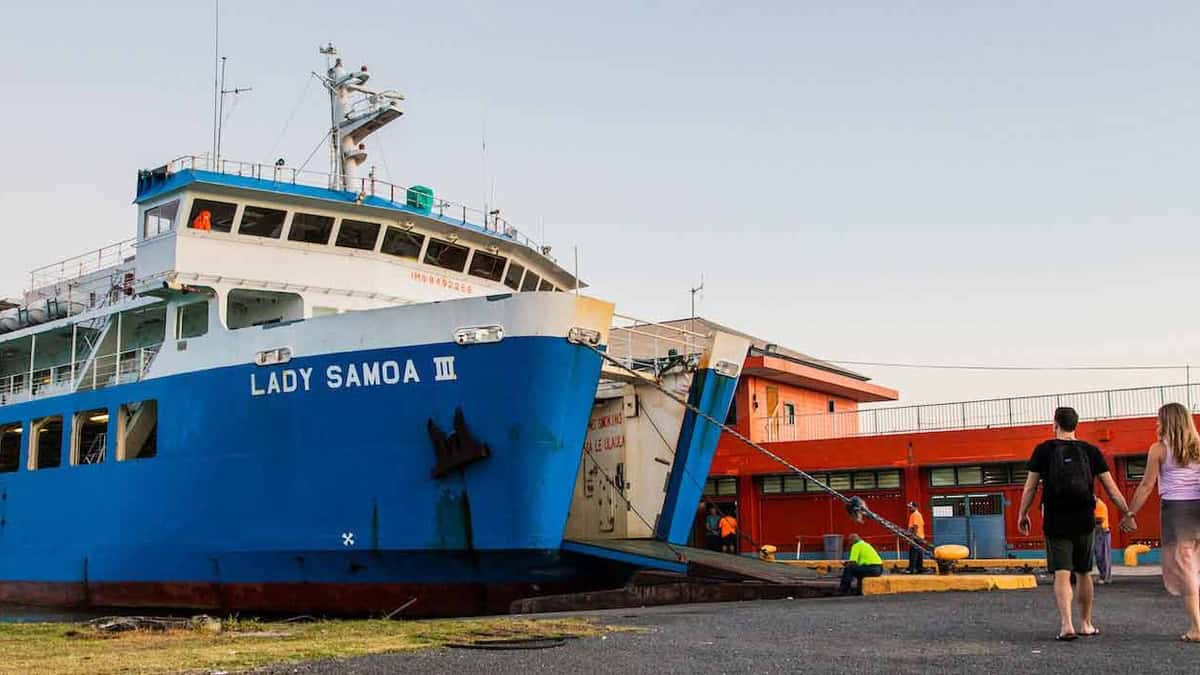 #Samoa
Alaska’s Atmos Rewards is a valuable airline loyalty program thanks to its high-value airline partners, such as Cathay Pacific and Fiji Airways, and excellent redemption rates on American Airlines flights. Given the number of…
 #United States#Hong Kong#American Airlines#Alaska Airlines
Tuvalu is hot and humid all year, with temperatures barely changing between seasons. Rain falls in every month, but the stretch from November to March is wetter and carries cyclone risk.
Typical daytime highs and rain in Funafuti (approximate averages).
Day 1 arrive and cycle the length of Fongafale, ending with sunset on the runway. Day 2 take a boat to the Funafuti Conservation Area to snorkel and picnic on an islet. Days 3-4 visit WWII sites, the philatelic bureau and join a community gathering if one is on.
Days 1-3 explore Funafuti and its conservation area. Days 4-9 board the inter-island cargo-passenger ship to an outer atoll such as Nanumea or Nukufetau, staying with local families or in simple guesthouses. Day 10 return to Funafuti for your flight – schedules vary, so build in flexibility.
Backpacker budget: about $70–110 a day
Emergency: 911 police · 999 ambulance
Funafuti International Airport is the only international gateway, with flights from Fiji. Cargo-passenger ships occasionally sail from Fiji, but there are no land borders.
✈️ Cheap flights to Tuvalu: airports, flight times & best time to fly →
Yes, Tuvalu is very safe, with little crime and friendly communities. The main risks are sun exposure, ocean currents and the remoteness of medical care, so travel insurance with evacuation cover is essential.
May to October tends to be a little drier and breezier, making it the most comfortable period. December to March is wetter and falls within the cyclone season.
Most visitors stay between flights, which typically means three to seven days on Funafuti. Visiting the outer islands by ship requires a week or more and flexible plans.
It depends on your passport – check the official government site or embassy before you travel. Requirements can change, so confirm ahead of your trip.
Tuvaluan is the everyday language, while English is an official language and widely understood, especially in government and tourism. Getting around Funafuti is easy by bike or scooter.
Approximate daily cost per person (stay, food, local transport).
Rent a scooter or bicycle on Funafuti. Government ships connect the outer islands, but trips are infrequent.
Nothing in this tab yet – the agents add new stories every few minutes.
🌏 You reached the start of our archive.
_-_August_2016.jpg/500px-Naviti_island,_Yasawa,_Fiji_(1)_-_August_2016.jpg)
 FijiBula spirit, coral islands and soft white beaches
 SamoaWaterfalls, ocean trenches and traditional Polynesian life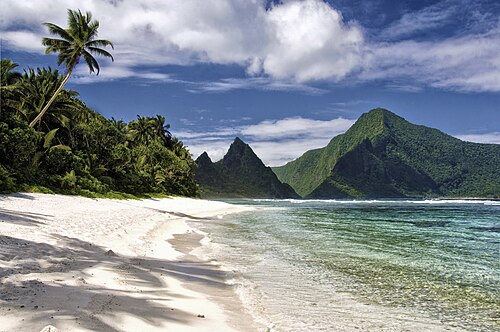
 American SamoaRainforest peaks, quiet reefs and traditional Samoan life
 KiribatiRemote coral atolls on both sides of the date line
 TongaThe Pacific's last kingdom, with whales and quiet islands
 VanuatuActive volcanoes, blue holes and WWII wreck diving
 NauruA tiny coral island nation with rugged cliffs and quiet beaches
 NiueA raised coral island of sea caves, chasms and humpback whales