


.jpg)

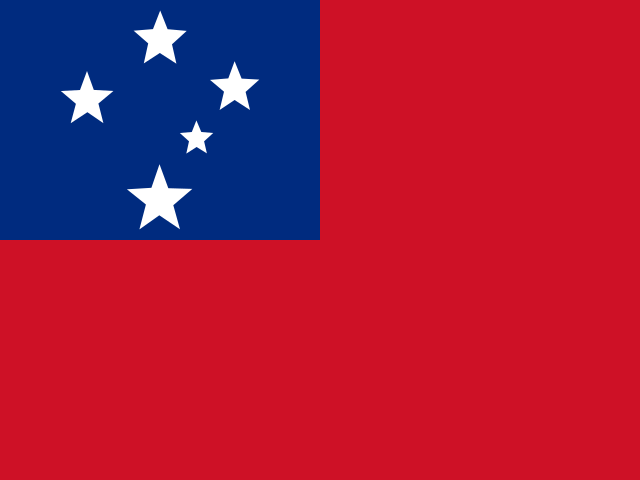
Samoa📸 Photo album · 6 photos · Ultra-HD
Waterfalls, ocean trenches and traditional Polynesian life
🕒 –:– local time1 stories this week1 sources 6 top placesCapital Apia
Samoa was settled around three thousand years ago by Lapita seafarers, the ancestors of the Polynesians, who sailed across the Pacific in great outrigger canoes. Samoa is often regarded as one of the cradles of Polynesian culture, from which voyagers later set out to settle islands further east. Over centuries, Samoans developed fa'a Samoa, 'the Samoan way', a social system built around extended families ('aiga), chiefs (matai) and village councils that still shapes daily life.
Samoan chiefs were linked by complex alliances with neighbouring Tonga and Fiji, and for a period Tongan rulers held influence over the islands before being driven out. Ancient stone platforms such as the Pulemelei Mound on Savai'i, one of the largest ancient structures in Polynesia, testify to the power of early chiefdoms. European contact came with the Dutch explorer Jacob Roggeveen in 1722, followed by whalers, traders and, from 1830, missionaries of the London Missionary Society, and Christianity became central to Samoan life.
In the late nineteenth century, Germany, Britain and the United States competed for influence. In 1899 the islands were divided: the eastern islands became American Samoa, while the western islands became a German colony. New Zealand took control of Western Samoa in 1914 and governed it for decades. The non-violent Mau movement campaigned for self-rule, and in 1962 Western Samoa became the first Pacific island nation to gain independence in the twentieth century. It changed its name to Samoa in 1997.
Samoa today remains deeply traditional, with village life, church on Sundays and the matai system all thriving. Visitors can stay in beach fales, swim in the To Sua Ocean Trench, explore the lava fields and blowholes of Savai'i, and visit the former home of writer Robert Louis Stevenson in Apia, while experiencing a warm culture of tattoo, dance and generous hospitality.
Entry rules depend on your passport and change often.
Before you book, check the official rules for your passport:
The latest visa and entry news for Samoa appears below as soon as publishers report it.
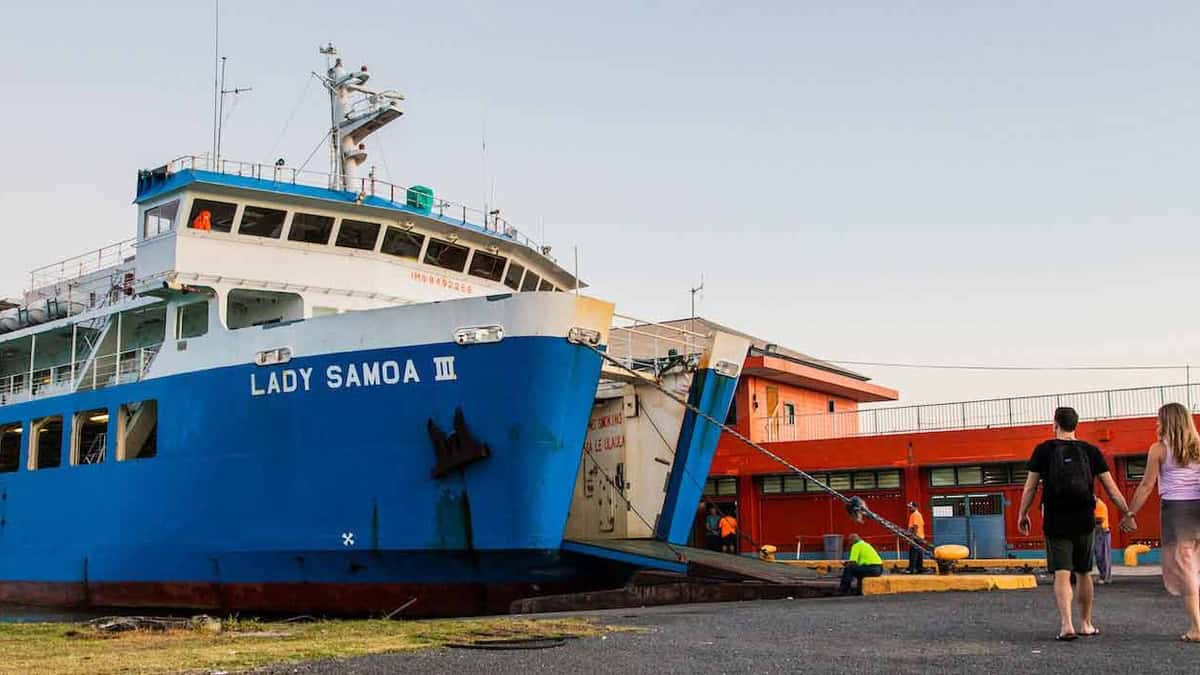
Samoa October Ferry Update Leaves Mulifanua–Salelologa Travel Plans Dependent on Direct Timetable Verification Samoa October ferry links require direct checks for Mulifanua Salelologa travel planning.
 #Samoa
Samoa is tropical and warm all year, with highs of around 29-31°C. The wet season brings heavy, often short downpours, and the southern and inland areas tend to be wetter.
Typical daytime highs and rain in Apia (approximate averages).
Day 1: arrive in Apia and visit the markets and Stevenson's villa. Day 2: Papase'ea Sliding Rocks and Piula Cave Pool. Day 3-5: travel to the south coast for To Sua Ocean Trench and beach fale stays at Lalomanu.
Day 1-4: Apia, To Sua and Lalomanu on Upolu. Day 5: take the ferry to Savai'i. Day 6-9: explore the lava fields, Alofaaga Blowholes, waterfalls and beaches. Day 10: return to Upolu and fly out.
Backpacker budget: about $50–80 a day
Emergency: 999
Faleolo International Airport on Upolu has flights from New Zealand, Australia, Fiji and Hawaii. Small planes and ferries connect Samoa with American Samoa.
✈️ Cheap flights to Samoa: airports, flight times & best time to fly →
Yes, Samoa is very safe and welcoming. Respect local customs, keep an eye on valuables and take care in the sea.
May to October is the dry season and the best time to visit. December to March is wetter, with a risk of cyclones.
Five days lets you enjoy Upolu's highlights. Ten days is ideal to include Savai'i at a relaxed pace.
It depends on your passport – check the official government site or a Samoan embassy before you travel.
Sunday is a day of church, rest and family, so many businesses close and activities are limited. Be quiet and respectful in villages, especially during church services.
Approximate daily cost per person (stay, food, local transport).
Buses are cheap and colourful; rental cars and taxis are easy to find. A ferry links Upolu and Savai'i.
Nothing in this tab yet – the agents add new stories every few minutes.
🌏 You reached the start of our archive.
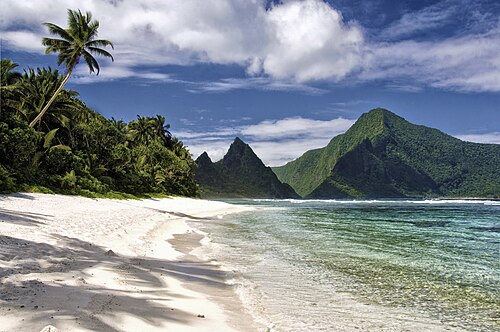
 American SamoaRainforest peaks, quiet reefs and traditional Samoan life
 NiueA raised coral island of sea caves, chasms and humpback whales
 TongaThe Pacific's last kingdom, with whales and quiet islands
.jpg/500px-Landscape,_Tuvalu,_2011._Photo-_DFAT_(12779525995).jpg)
 TuvaluTiny coral atolls and a calm lagoon far from the crowds
_-_August_2016.jpg/500px-Naviti_island,_Yasawa,_Fiji_(1)_-_August_2016.jpg)
 FijiBula spirit, coral islands and soft white beaches
 KiribatiRemote coral atolls on both sides of the date line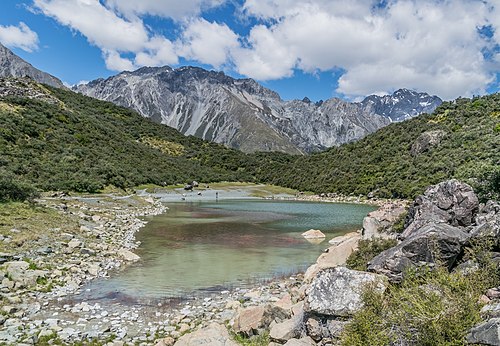
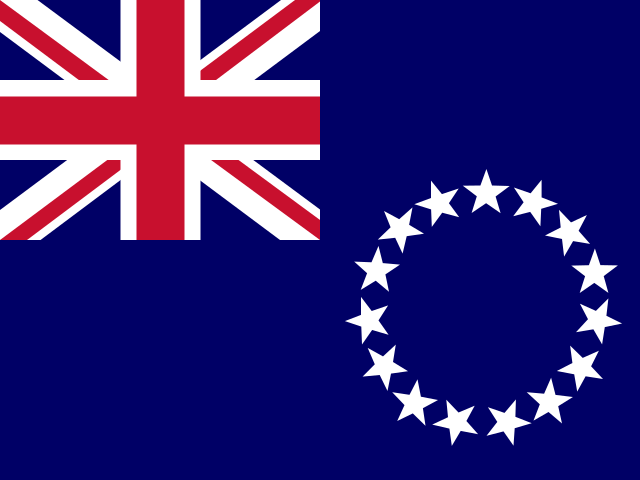 Cook IslandsTurquoise lagoons and laid-back Polynesian island life
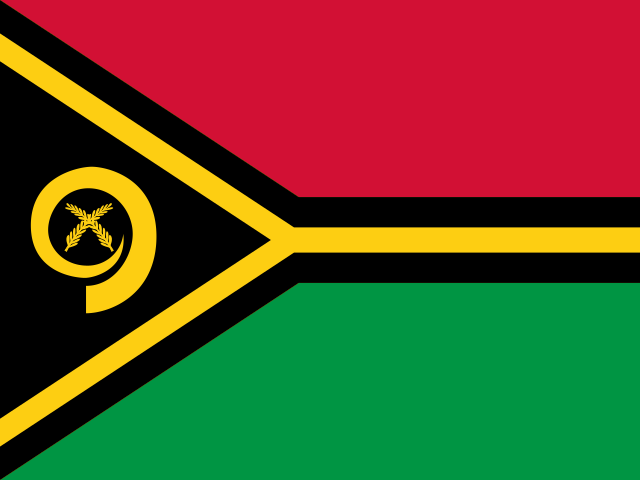 VanuatuActive volcanoes, blue holes and WWII wreck diving