.jpg/1920px-The_Gambia_(3517743773).jpg)


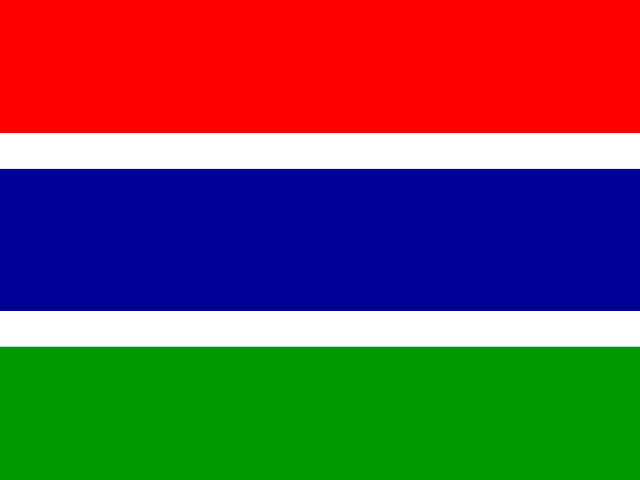
Gambia📸 Photo album · 5 photos · Ultra-HD
Sunny beaches, river cruises and birdwatching paradise
🕒 –:– local time0 stories this week0 sources 6 top placesCapital Banjul
The Gambia follows the winding course of the River Gambia into the heart of West Africa, and people have lived along its banks for millennia. Upriver, the Wassu and Kerbatch stone circles – part of the UNESCO-listed Senegambian Stone Circles – were raised over many centuries as burial monuments. In medieval times the region fell within the sphere of the Ghana and then Mali empires, and Mandinka, Wolof, Fula, Jola and Serahule peoples established kingdoms along the river.
Portuguese sailors reached the river in the 1450s, and over the following centuries Europeans competed for its trade. The Baltic Duchy of Courland and then the British held the small island now called Kunta Kinteh Island, which became a key post in the Atlantic slave trade. After Britain outlawed the slave trade in 1807, it founded Bathurst – today's Banjul – in 1816 at the river mouth to suppress it, and gradually extended control along the river, creating the long, narrow shape of the modern country surrounded by French-ruled Senegal.
The Gambia gained independence on 18 February 1965 under Dawda Jawara and became a republic in 1970. From 1982 to 1989 it formed a loose confederation with Senegal. A military takeover in 1994 began more than two decades of rule by Yahya Jammeh, which ended after the 2016 election brought Adama Barrow to power and a peaceful transition in early 2017.
Alex Haley's novel 'Roots' traced his ancestry to the village of Juffureh, drawing visitors with a personal interest in the history of the slave trade. Today the 'Smiling Coast of Africa' is known for its relaxed beaches, superb birdwatching, river journeys and warm hospitality, with Mandinka drumming, wrestling and colourful markets offering an easy introduction to West African culture.
Entry rules depend on your passport and change often.
Before you book, check the official rules for your passport:
The latest visa and entry news for Gambia appears below as soon as publishers report it.
🛰️ The agents haven't spotted fresh news about Gambia in the last few days – here is the travel guide, plus the latest from nearby countries.
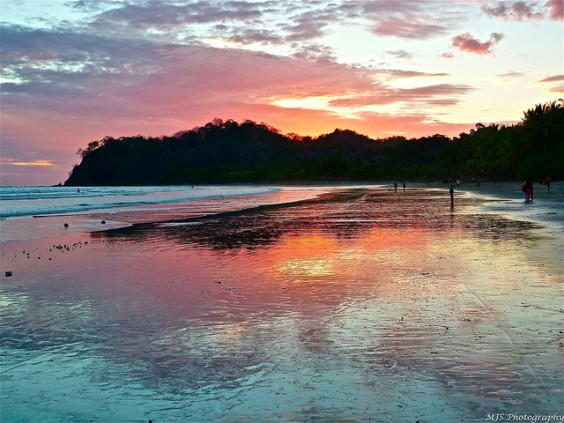
A good sale to Liberia, Costa Rica. The $386 fare is the regular fare includes advance seat assignment and a normal size
 #Liberia#Costa Rica#Delta#Deals & Budget
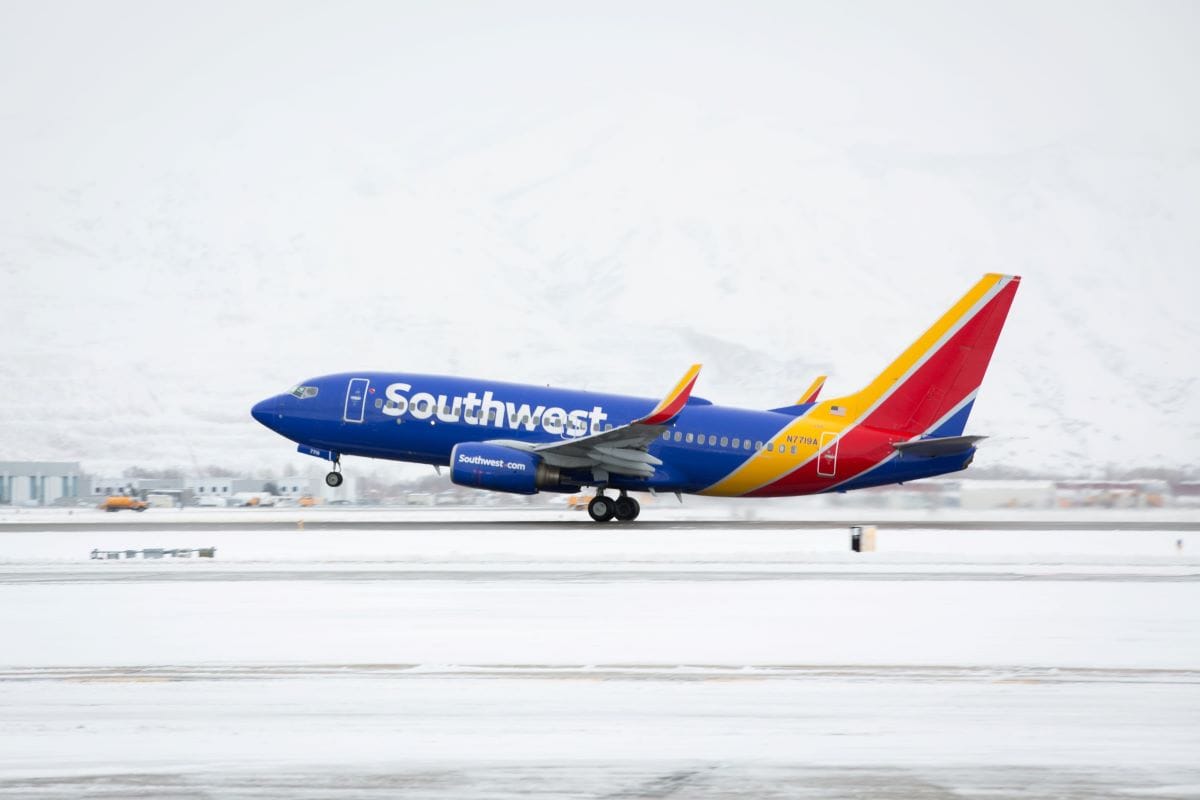
Austin Aligns Liberia, Nassau and Eight More in Leading Southwest Airlines New Routes for Summer 2027 Southwest Airlines adds 11 new and returning routes for summer 2027, expanding flights from Austin, Nashville and San Diego.
 #Liberia#Bahamas#Nassau#Southwest
Reconsider travel to Mauritania due to terrorism, crime, and limited health infrastructure . Some areas have increased risk. Read the entire Travel Advisory. U.S. government employee travel restrictions The U.S. government has…
#Mauritania#United States#Travel advisory#Visas & Entry RulesThere was no change to the advisory level. The "health” risk indicator was added. Advisory summary was updated. Reconsider travel to Mauritania due to terrorism, crime, and limited health infrastructure . Some areas have…
#Mauritania#Visas & Entry RulesThe Gambia has a tropical climate with a long dry season and a short, intense wet season. The coast is cooled by ocean breezes, while inland areas upriver can be very hot before the rains.
Typical daytime highs and rain in Banjul (approximate averages).
Days 1-2 relax in Kololi and visit Kachikally and Abuko. Day 3 see the Tanji fish landing and Makasutu. Days 4-5 cross to the north bank for Kunta Kinteh Island and Juffureh.
Days 1-3 explore the coast, Banjul and the birding sites. Days 4-7 travel upriver to Janjanbureh, the chimpanzee islands and the Wassu stone circles. Days 8-10 return to the quieter southern coast at Kartong to unwind.
Backpacker budget: about $30–50 a day
Emergency: 117 police · 116 ambulance · 118 fire
Banjul International Airport at Yundum receives flights from Europe and West Africa; land borders connect with Senegal, including the route via the Senegambia Bridge, and ferries cross the river between Banjul and Barra.
✈️ Cheap flights to Gambia: airports, flight times & best time to fly →
The Gambia is generally safe and welcoming. Expect persistent hustlers in tourist areas and take normal precautions with valuables.
November to February is the most comfortable time, with dry, sunny weather. The rainy season runs from roughly July to September.
A week suits a beach holiday with day trips. Ten days or more allows a journey upriver to see chimpanzees and stone circles.
It depends on your passport. Check the official government site or embassy before you travel.
English is the official language, and Mandinka, Wolof and Fula are widely spoken. Getting around is by taxi, minibus or ferry.
Approximate daily cost per person (stay, food, local transport).
Taxis and shared bush taxis run along the coast and inland. Ferries and a bridge cross the Gambia River.
Nothing in this tab yet – the agents add new stories every few minutes.
🌏 You reached the start of our archive.

 SenegalAtlantic beaches, music and the spirit of teranga
 Guinea-BissauThe Bijagós islands – mangroves, turtles and saltwater hippos
 Sierra LeonePalm-fringed beaches, islands and rainforest
 GuineaGreen highlands, waterfalls and the source of great rivers
.jpg/500px-ISS062-E-82362_-_View_of_Mauritania_-_Tidra_Island_-_Banc_d'Arguin_(cropped).jpg)
 MauritaniaSahara dunes, desert libraries and an epic iron-ore train
 Cabo VerdeAtlantic islands of beaches, volcanoes and morna music
 LiberiaSurf beaches, rainforest and Africa's oldest republic
 Côte d'IvoireA giant basilica, lagoon city life and palm-fringed beaches