
.jpg/1920px-Auckland_skyline_-_May_2024_(2).jpg)
.jpg/1920px-Queenstown_1_(8168013172).jpg)
.jpg/1920px-Tongariro_National_Park,_New_Zealand_(13293071503).jpg)

_-_Northern_Road_to_the_top.JPG/1920px-Mount_Taranaki,_New_Zealand_(10)_-_Northern_Road_to_the_top.JPG)
New Zealand📸 Photo album · 9 photos · Ultra-HD
 Queenstown
Fiords, volcanoes, Māori culture and adventure sports
🕒 –:– local time12 stories this week6 sources 6 top placesCapital Wellington
New Zealand was one of the last major landmasses on Earth to be settled by people. Polynesian voyagers, navigating by stars, currents and birds, arrived in great ocean-going canoes around the late thirteenth century. Their descendants became the Māori, who developed a rich culture of tribal (iwi) life, carving, tattoo (tā moko), oratory and fortified hilltop villages called pā. They named the land Aotearoa, often translated as 'land of the long white cloud'.
The Dutch explorer Abel Tasman sighted the coast in 1642, but it was James Cook's voyages from 1769 that mapped the islands for Europe. Whalers, sealers, traders and missionaries followed, and muskets brought by traders contributed to devastating intertribal wars. In 1840, the Treaty of Waitangi was signed between the British Crown and many Māori chiefs. Differences between the English and Māori texts, and later breaches of the treaty, led to the New Zealand Wars and large-scale loss of Māori land.
Colonial New Zealand grew on gold rushes, wool and refrigerated meat exports. In 1893 it became the first self-governing country in which all women had the right to vote in national elections. It became a dominion in 1907, and its soldiers' experiences at Gallipoli in 1915 shaped a strong sense of national identity, remembered each year on Anzac Day. The country later formally adopted full legislative independence and built a reputation for progressive social policies.
Since the 1970s a Māori cultural renaissance has revived language and traditions, and the Waitangi Tribunal investigates historical treaty claims. Te reo Māori is an official language, and Māori culture is woven into national life. For visitors, history and nature meet everywhere: the Waitangi Treaty Grounds, marae visits and cultural performances in Rotorua, gold-rush towns in Otago, and spectacular landscapes from the volcanic plateau to the fiords of the deep south.
Entry rules depend on your passport and change often.
Before you book, check the official rules for your passport:
The latest visa and entry news for New Zealand appears below as soon as publishers report it.
Slovenia Follows New Zealand and Others in Bold New Tourism Era as Climate Pressures Reshape Travel Seasons and Accelerate Sustainable Destination Growth Slovenia, New Zealand, Panama and Others reshape tourism as climate…
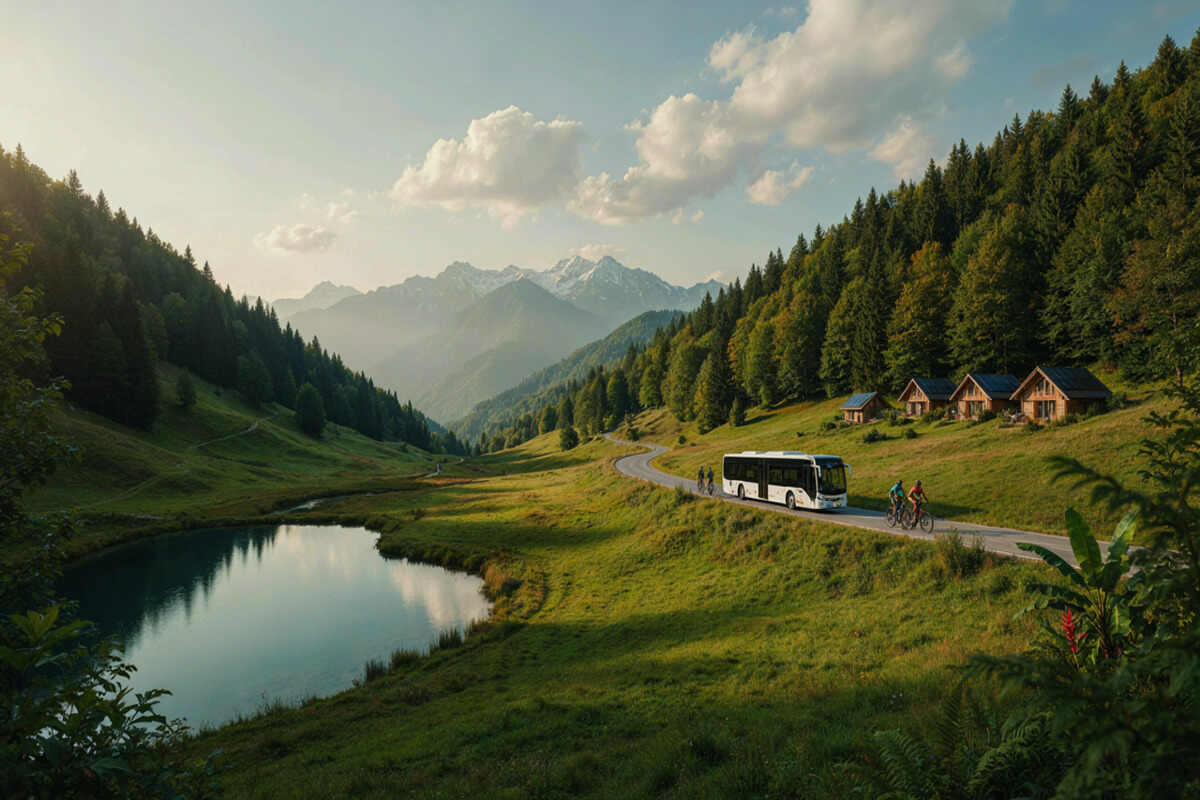 #Slovenia#New Zealand
New Zealand Family Travel Set for Longer Visits as Eligible Child Stays Rise to 12 Months From November New Zealand will raise the maximum visitor stay for eligible children of citizens or residents from nine to 12 months on 16…
 #New Zealand
Condé Nast Traveler readers rate their top hotels in Australia and New Zealand.
 #Australia#New Zealand#Destinations
Immigration New Zealand recommends applying early for a visitor visa before Christmas and New Year travel because seasonal demand may increase processing...
 #New Zealand#Visas & Entry Rules
New Zealand Starts Hybrid Parent Resident Visa Selection as Legacy Visitor Draft Cutover Reshapes Group Travel New Zealand updates parent visa selection as legacy visitor draft changes reshape group travel.
 #New Zealand#Visas & Entry Rules
New Zealand Great Walks Strengthen Biosecurity to Protect Fragile Native Landscapes New Zealand strengthens biosecurity across Great Walks to protect native forests and trails. Learn the new rules for gear hygiene, bookings, and…
 #New Zealand#Inspiring & Scenic
New Zealand Aligns With Australia And Other Regions Facing Major Tourism Slumps Due To Aviation Fuel Inflation New Zealand aligns with Australia and other regions facing major tourism slumps due to aviation fuel inflation.…
 #New Zealand#Australia
From the Milford Track to the Abel Tasman Coast Track, these 10 trails are perfect for adventurers.
:max_bytes(150000):strip_icc():format(jpeg)/header-abel-tasman-coast-track-HIKENZ0422-95e811162cb24b08aebe4b927d1104f4.jpg) #New Zealand#Hiking#Destinations
#New Zealand#Hiking#Destinations
New Zealand could, in theory, rebuild a fighter jet fleet, but it still has no intention and is focusing on autonomous systems and recapitalization.
 #New Zealand#Flights & Airlines
The Northern Explorer travels through some of the country’s most dramatic landscapes.
:max_bytes(150000):strip_icc():format(jpeg)/TAL-northern-explorer-train-mt-ngauruhoe-NZNORTHERNEXPLORERTRAIN0326-b2fb2fe3a9a24371ae044d46644d241e.jpg) #New Zealand#Volcanoes#National parks#Destinations
#New Zealand#Volcanoes#National parks#Destinations
New Zealand has a temperate maritime climate, with weather that can change quickly. The north is subtropical and mild, the South Island is cooler with snowy mountains, and the West Coast is very wet.
Typical daytime highs and rain in Auckland (approximate averages).
The new Netflix adaptation of John Steinbeck's seminal novel was filmed in the same place as The Lord of the Rings and The Power of the Dog.
 #New Zealand#Destinations
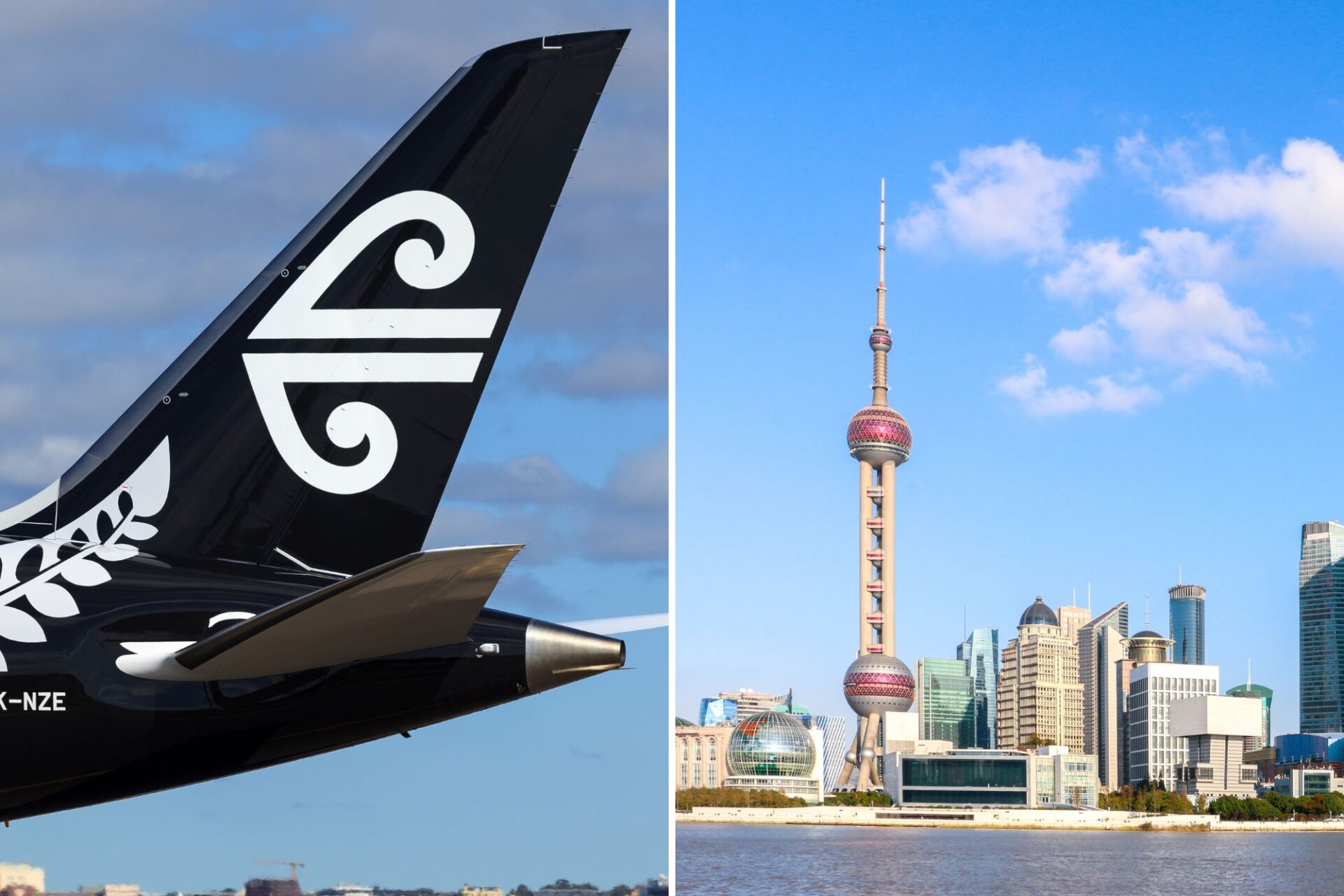
Air New Zealand announced it will add more than 7,000 seats between Shanghai Pudong International Airport (PVG) and…
 #New Zealand#China#Shanghai#Auckland
Day 1-2: Auckland and Waiheke Island. Day 3: Hobbiton and the Waitomo glowworm caves. Day 4-5: Rotorua for geothermal parks and Māori culture. Day 6-7: Tongariro Alpine Crossing and Lake Taupō.
Day 1-5: Auckland, Rotorua and Tongariro. Day 6: Wellington. Day 7-8: ferry to the South Island and explore Abel Tasman. Day 9-10: West Coast glaciers. Day 11-13: Queenstown, Wanaka and Milford Sound. Day 14: Aoraki/Mount Cook and Lake Tekapo before flying out from Christchurch.
Backpacker budget: about $60–90 a day
Emergency: 111
Auckland Airport is the main international gateway, with Christchurch, Wellington and Queenstown also receiving international flights, especially from Australia. Interislander and Bluebridge ferries connect the North and South Islands.
✈️ Cheap flights to New Zealand: airports, flight times & best time to fly →
Yes, New Zealand is one of the safest countries in the world. The main risks come from the outdoors – changeable weather, rivers and roads – so plan carefully.
December to March is summer, ideal for hiking and beaches. Winter from June to August is best for skiing.
A week covers the highlights of one island. Two to three weeks lets you explore both islands at a comfortable pace.
It depends on your passport – check the official New Zealand government site or embassy before you travel.
The North Island offers Māori culture, geothermal sights and beaches, while the South Island has mountains, glaciers and fiords. Many travellers try to see both.
Approximate daily cost per person (stay, food, local transport).
Renting a car or campervan is the most popular way to travel. Domestic flights, long-distance buses and the Interislander ferry link the main regions.
Nothing in this tab yet – the agents add new stories every few minutes.
🌏 You reached the start of our archive.

 New CaledoniaFrench flair, Kanak culture and a giant turquoise lagoon
 TongaThe Pacific's last kingdom, with whales and quiet islands
_-_August_2016.jpg/500px-Naviti_island,_Yasawa,_Fiji_(1)_-_August_2016.jpg)
 FijiBula spirit, coral islands and soft white beaches
 NiueA raised coral island of sea caves, chasms and humpback whales
 VanuatuActive volcanoes, blue holes and WWII wreck diving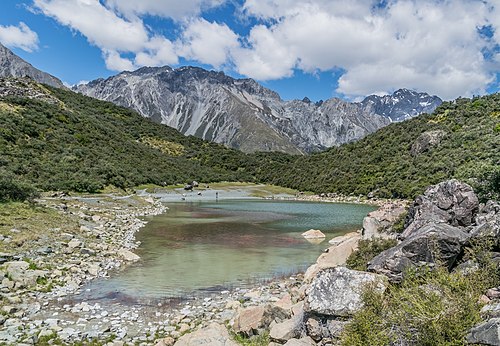
 Cook IslandsTurquoise lagoons and laid-back Polynesian island life
 SamoaWaterfalls, ocean trenches and traditional Polynesian life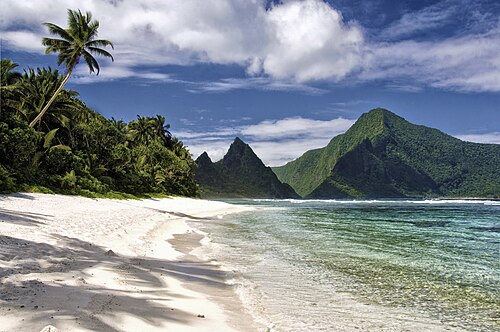
 American SamoaRainforest peaks, quiet reefs and traditional Samoan life