

,_Tunisia_2024_-_March%C3%A9_Municipal.jpg/1920px-Carthage_(municipality),_Tunisia_2024_-_March%C3%A9_Municipal.jpg)


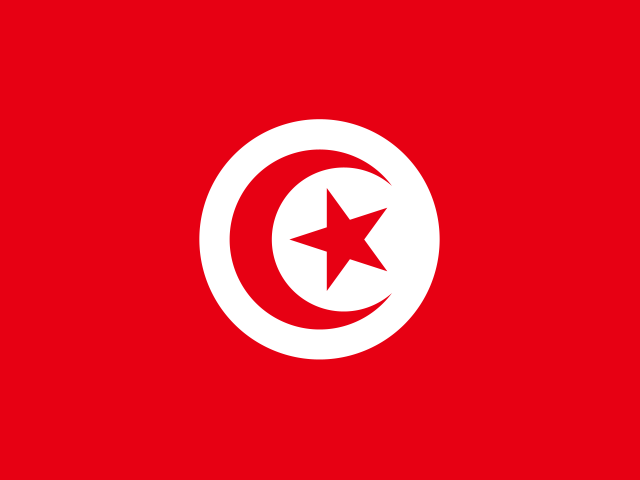
Tunisia📸 Photo album · 8 photos · Ultra-HD
Roman ruins, Saharan oases and Mediterranean beaches
🕒 –:– local time2 stories this week2 sources 6 top placesCapital Tunis
Tunisia's story begins with Berber (Amazigh) peoples who lived across North Africa for thousands of years. Around the 9th century BC, Phoenician settlers from Tyre founded Carthage near modern Tunis, which grew into a great maritime power rivalling Rome. The Punic Wars ended with Carthage's destruction in 146 BC, but Rome rebuilt it, and the province of Africa became a breadbasket filled with cities, villas and amphitheatres such as El Djem.
Vandals and Byzantines followed Rome, and in the 7th century Arab armies brought Islam, founding Kairouan as a centre of learning and faith. Dynasties such as the Aghlabids, Fatimids and Hafsids built mosques, ribats and medinas, with Tunis becoming a prosperous capital. In the 16th century the region was contested by Spain and the Ottomans, and from the 18th century the Husainid beys ruled under nominal Ottoman authority.
France established a protectorate in 1881, developing railways, ports and agriculture. Tunisia gained independence in 1956 under Habib Bourguiba, who promoted education and women's rights. In 2011, a popular uprising led to political change and inspired movements across the region, and the country has continued to navigate political and economic transitions since then.
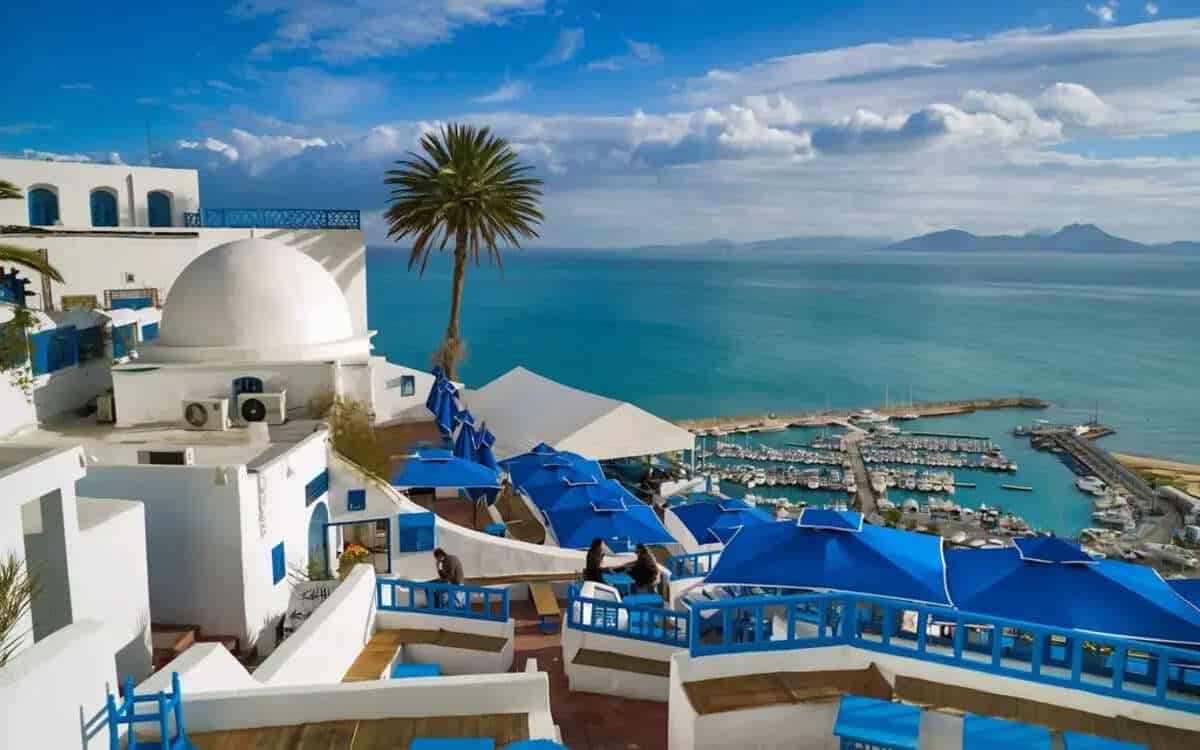
For visitors, Tunisia offers a remarkable mix: the ruins of Carthage and Dougga, the colosseum at El Djem, the medinas of Tunis and Kairouan, blue-and-white Sidi Bou Said, Saharan dunes and Star Wars film sets, as well as Mediterranean beaches and island life on Djerba. Its cuisine, from couscous to brik, reflects its many cultural layers.
Entry rules depend on your passport and change often.
Before you book, check the official rules for your passport:
The latest visa and entry news for Tunisia appears below as soon as publishers report it.
France Teams Up With Germany And More In Driving Tunisia Tourism As Stability, Value And Access Reshape Travel France and Germany drive Tunisia tourism in 2026 as better air links, strong value and easier access reshape global…
 #France#Germany
Flying from Algiers to Tunis to Marseille on two unmarked, wet-leased Airbus A320s operated by Avion Express and Fly2Sky, with zero disclosure at booking.
 #Lithuania#Bulgaria#Airbus#Points & Miles
Tunisia has a Mediterranean climate in the north and a desert climate in the south. Coastal areas are mild, while the Sahara is extremely hot in summer and cold at night in winter.
Typical daytime highs and rain in Tunis (approximate averages).
Day 1-2 Tunis' medina and the Bardo Museum. Day 3 Carthage and Sidi Bou Said, Day 4 El Djem, Day 5 Kairouan.
Day 1-3 Tunis, Carthage and Sidi Bou Said, Day 4 Dougga, Day 5 Kairouan, Day 6 El Djem. Day 7-8 Tozeur and Douz in the Sahara, Day 9-10 Djerba.
Backpacker budget: about $25–45 a day
Emergency: 197 police · 198 fire · 190 ambulance
Tunis-Carthage International Airport is the main gateway, with Enfidha-Hammamet, Monastir and Djerba airports serving charter and regional flights. Ferries connect Tunis with Italy and France.
✈️ Cheap flights to Tunisia: airports, flight times & best time to fly →
Tunisia is generally safe in main tourist areas. Check your government's latest travel advice, especially for border regions in the south and west.
April to June and September to October offer the best weather. Summer is ideal for beaches but very hot in the desert.
Five days covers Tunis and nearby highlights. Ten days lets you explore the Sahara and Djerba.
It depends on your passport. Check the official government site or embassy before you travel.
Arabic is the official language, and French is widely spoken. English is common in tourist areas.
Approximate daily cost per person (stay, food, local transport).
Louages (shared minibuses) and trains link the main towns, and buses run between cities. Renting a car helps for the south.
Nothing in this tab yet – the agents add new stories every few minutes.
🌏 You reached the start of our archive.
_02_ies.jpg/500px-Malta_-_Mdina_(Triq_San_Oswald)_02_ies.jpg)
 MaltaGolden-stone cities, ancient temples and turquoise bays

 ItalyAncient Rome, Renaissance art and the world's favourite food
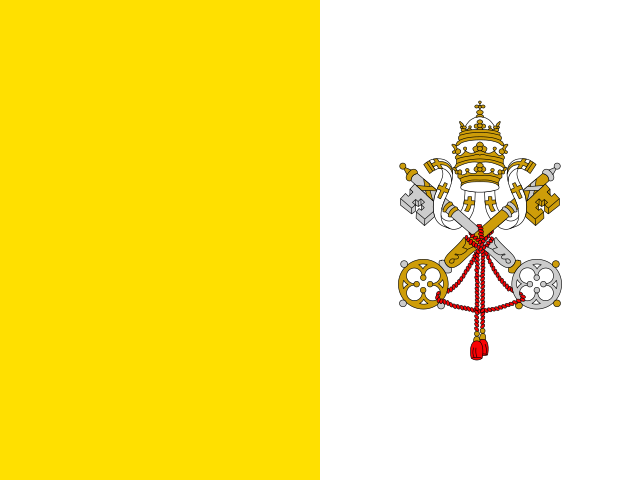 Vatican CityThe world's smallest country and the heart of Catholicism
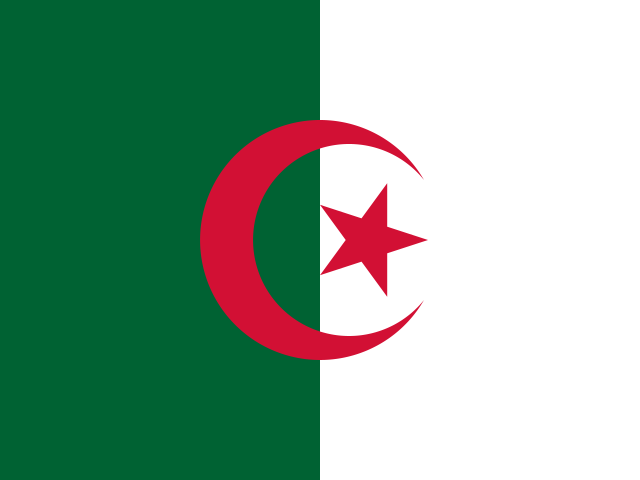 AlgeriaRoman ruins, Saharan oases and a white-walled Mediterranean capital
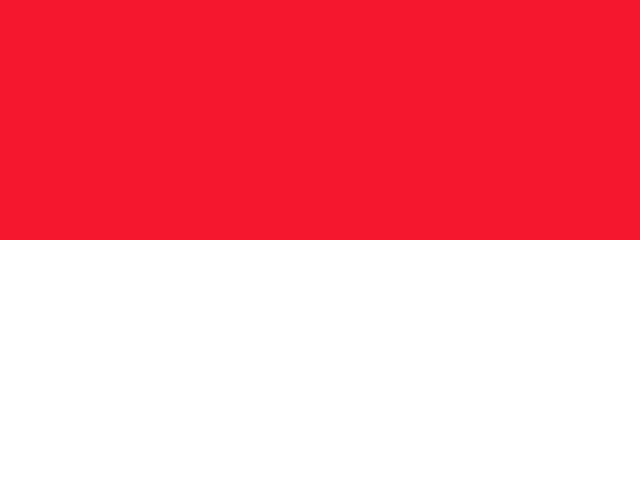 MonacoGlamorous casinos, superyachts and Riviera sunshine
 LibyaVast Roman cities by the sea and Saharan rock art
 San MarinoTiny hilltop republic with medieval towers and big views
 AndorraTiny Pyrenees country of ski slopes and mountain trails