


.jpg/1920px-NMSAS_-_Early_Morning_In_Fagatele_Bay_(31361234482).jpg)
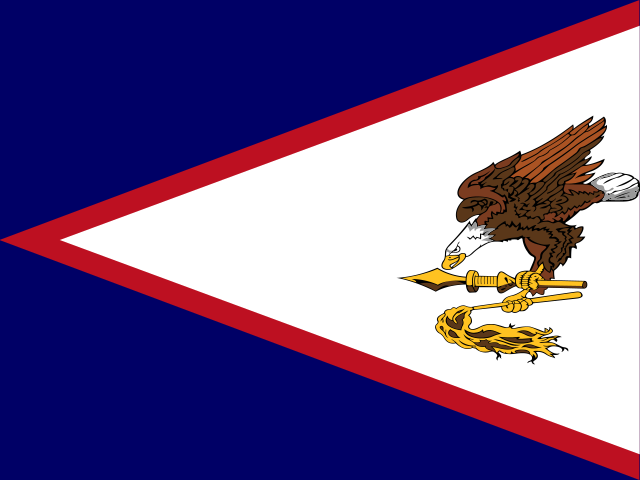
American Samoa📸 Photo album · 4 photos · Ultra-HD
Rainforest peaks, quiet reefs and traditional Samoan life
🕒 –:– local time0 stories this week0 sources 4 top placesCapital Pago Pago
The volcanic islands of American Samoa were settled around three thousand years ago by seafaring Lapita people, the ancestors of today's Polynesians, whose distinctive decorated pottery has been found across the western Pacific. Over the following centuries a rich society took shape around fa'a Samoa, the Samoan way of life, built on extended families, village councils and titled chiefs known as matai. The remote Manu'a group was especially revered, and its paramount title, the Tui Manu'a, carried great prestige throughout the region.
European navigators began passing through in the eighteenth century, with the Dutch explorer Jacob Roggeveen sighting Manu'a in 1722 and a French expedition under La Pérouse landing on Tutuila in 1787. Christian missionaries arrived in the Samoan islands from 1830, and the faith was embraced so thoroughly that church life remains central to village routines today. Through the nineteenth century, whalers, traders and rival colonial powers took a growing interest in Pago Pago's deep, sheltered harbour.
In 1899 Germany, Britain and the United States settled their rivalry by dividing the archipelago: the western islands went to Germany, while the eastern islands became American. Tutuila's chiefs ceded their island to the United States in 1900, and Manu'a followed in 1904. For half a century the territory was run as a US Navy coaling and refuelling station, before civilian administration under the Department of the Interior began in 1951. A local constitution followed in 1967, and residents elected their own governor for the first time in 1977.
Today American Samoa is an unincorporated US territory where Samoan language, chiefly titles and communal land ownership coexist with American institutions, school buses and fast food. For visitors this means a rare chance to experience traditional Polynesian village life, Sunday church singing and umu earth-oven feasts, alongside some of the Pacific's most dramatic rainforest and reef scenery protected within the National Park of American Samoa.
Entry rules depend on your passport and change often.
Before you book, check the official rules for your passport:
The latest visa and entry news for American Samoa appears below as soon as publishers report it.
🛰️ The agents haven't spotted fresh news about American Samoa in the last few days – here is the travel guide, plus the latest from nearby countries.
Forget Bora Bora or Hawaii. You can now visit the look-alike Caribbean paradise of Soufriere, St Lucia without breaking the bank! We've found excellent rates at the stunning La Haut Resort () from $166 per night with breakfast…
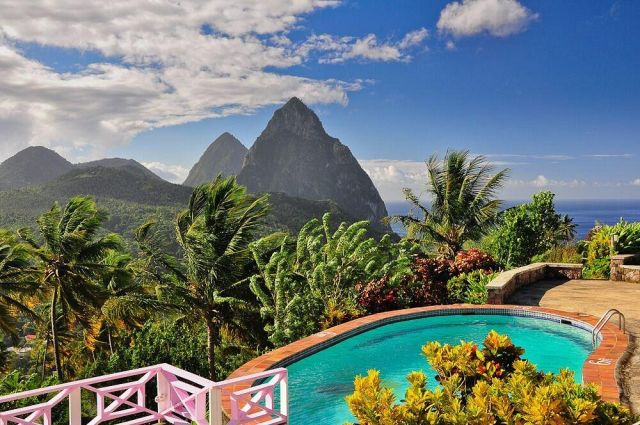 #Saint Lucia#French Polynesia#Deals & Budget
Samoa October Ferry Update Leaves Mulifanua–Salelologa Travel Plans Dependent on Direct Timetable Verification Samoa October ferry links require direct checks for Mulifanua Salelologa travel planning.
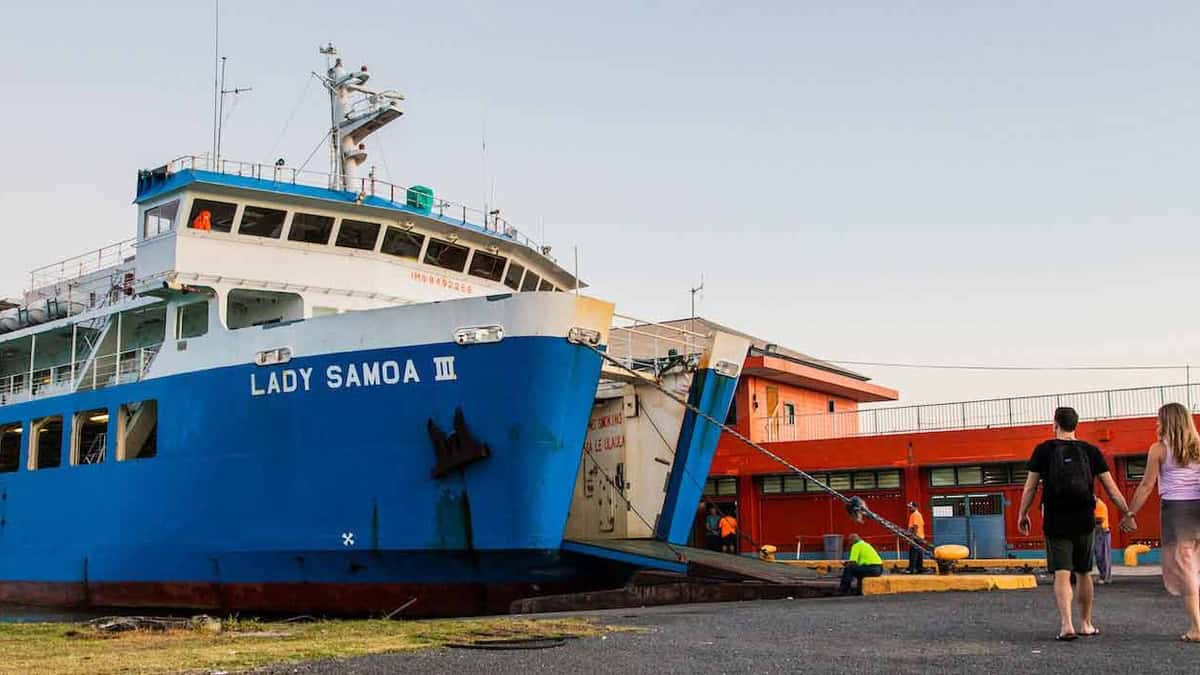 #Samoa
Alaska Airlines has made plenty of announcements this week regarding its Atmos Rewards frequent flier program, which we have covered, and changes to its equipment, such as seats, which we didn’t. There is one more change that…
 #United States#Cook Islands#Alaska Airlines#Hotels & Stays
Alaska’s Atmos Rewards is a valuable airline loyalty program thanks to its high-value airline partners, such as Cathay Pacific and Fiji Airways, and excellent redemption rates on American Airlines flights. Given the number of…
 #United States#Hong Kong#American Airlines#Alaska Airlines
American Samoa is hot and humid year-round, and Pago Pago harbour is one of the rainiest spots in the region thanks to clouds trapped by Rainmaker Mountain. The outer Manu'a islands are a little drier, but showers can arrive at any time.
Typical daytime highs and rain in Pago Pago (approximate averages).
Day 1-2: settle in Pago Pago, browse the market and hike Mount Alava for harbour views. Day 3: drive the east coast to Aunu'u Island. Day 4-5: explore Fagatele Bay, the west-coast villages around Leone and a beach afternoon.
Day 1-4: Pago Pago, Mount Alava, Aunu'u and the north-coast national park trails. Day 5-9: fly to Ofu for snorkelling, a crossing to Olosega and a day trip to Ta'u's cliffs. Day 10: return to Tutuila for a final umu lunch.
Backpacker budget: about $60–90 a day
Emergency: 911 police, fire & ambulance
Pago Pago International Airport on Tutuila has flights from Honolulu and short hops from Apia in neighbouring Samoa; a ferry also links Apia and Pago Pago.
✈️ Cheap flights to American Samoa: airports, flight times & best time to fly →
Yes, it is generally very safe and welcoming, with low crime. The main hazards are natural – strong ocean currents, tropical storms and mosquitoes – so take normal precautions.
June to September is usually the most comfortable, with slightly drier weather and cooler trade winds. Visit in April if you want to see the Flag Day festivities.
American Samoa has its own entry rules separate from the mainland US, and requirements depend on your passport. Check the official territorial government site or your nearest embassy before you travel.
Five days covers Tutuila's main hikes, beaches and villages. Allow ten days or more if you want to reach the Manu'a Islands, since flights are infrequent.
Samoan and English are both official and English is widely understood. Learning a few Samoan greetings like 'talofa' (hello) and 'fa'afetai' (thank you) is warmly received.
Approximate daily cost per person (stay, food, local transport).
Aiga buses (colourful family buses) and rental cars get around Tutuila. Small planes fly to the Manu'a Islands.
Nothing in this tab yet – the agents add new stories every few minutes.
🌏 You reached the start of our archive.

 SamoaWaterfalls, ocean trenches and traditional Polynesian life
 NiueA raised coral island of sea caves, chasms and humpback whales
 TongaThe Pacific's last kingdom, with whales and quiet islands
 KiribatiRemote coral atolls on both sides of the date line
_-_August_2016.jpg/500px-Naviti_island,_Yasawa,_Fiji_(1)_-_August_2016.jpg)
 FijiBula spirit, coral islands and soft white beaches
.jpg/500px-Landscape,_Tuvalu,_2011._Photo-_DFAT_(12779525995).jpg)
 TuvaluTiny coral atolls and a calm lagoon far from the crowds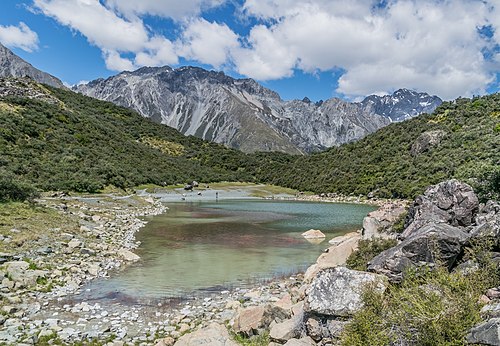
 Cook IslandsTurquoise lagoons and laid-back Polynesian island life

 French PolynesiaOverwater bungalows, coral atolls and Tahitian culture