French Polynesia📸 Photo album · 6 photos · Ultra-HD
French Polynesia📜 History of French Polynesia
The story of French Polynesia
The 118 islands of French Polynesia were among the last places on Earth settled by humans. Polynesian voyagers, navigating by stars, swells and birds in great double-hulled canoes, reached the Society Islands and the Marquesas roughly a thousand years ago, and from here sailed on to settle Hawaii, Rapa Nui and Aotearoa. Raiatea's sacred marae of Taputapuātea, now a UNESCO site, was a spiritual centre for this whole ocean world.
Island societies were organised into chiefdoms with priests, navigators, tattoo masters and a rich oral tradition of chants and dance. European ships began arriving in the 1760s: Samuel Wallis, Louis-Antoine de Bougainville and James Cook all landed on Tahiti, and their glowing accounts created the European myth of a South Seas paradise. The mutiny on HMS Bounty in 1789 followed a long stay in Tahiti, and Protestant missionaries arrived in 1797.
Read the full history
With European support the Pōmare family unified Tahiti into a kingdom, but in 1842 France imposed a protectorate, and in 1880 King Pōmare V ceded his realm, which became a French colony. Painter Paul Gauguin made the islands famous in Europe, living in Tahiti and later on Hiva Oa in the Marquesas, where he is buried. In the twentieth century the islands became a French overseas territory, and from 1966 to 1996 France carried out nuclear tests in the Tuamotu atolls, a chapter that still shapes local politics.
Today French Polynesia is a self-governing overseas collectivity of France with its own government and a strong Polynesian cultural revival. Visitors come for overwater bungalows and lagoons, but also for living culture: outrigger canoe racing, tattoo art, drum-driven dance at the Heiva festival, ancient marae and the rugged, mystical Marquesas.
Timeline
c. 900-1100Polynesian voyagers settle the Society Islands and Marquesas
1767Samuel Wallis is the first European to reach Tahiti
1769James Cook observes the transit of Venus from Tahiti
1797First Protestant missionaries arrive
1842France declares a protectorate over Tahiti
1880King Pōmare V cedes Tahiti; the islands become a French colony
1966-1996French nuclear testing in the Tuamotus
2004Status as an overseas collectivity with wide autonomy
French Polynesia🛂 Visa & entry
Entry rules depend on your passport and change often.
Before you book, check the official rules for your passport:
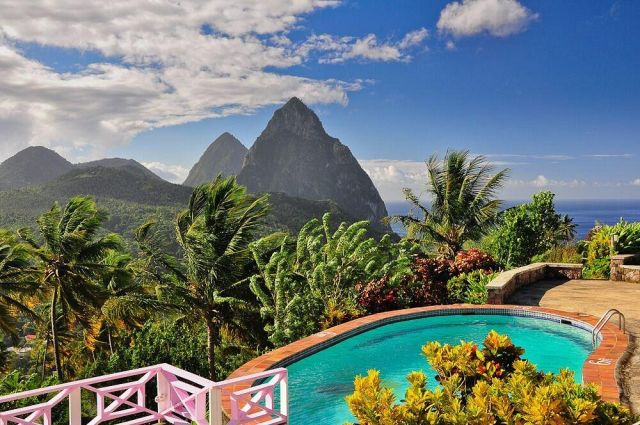
Forget Bora Bora or Hawaii. You can now visit the look-alike Caribbean paradise of Soufriere, St Lucia without breaking the bank! We've found excellent rates at the stunning La Haut Resort () from $166 per night with breakfast…
Alaska Airlines has made plenty of announcements this week regarding its Atmos Rewards frequent flier program, which we have covered, and changes to its equipment, such as seats, which we didn’t. There is one more change that…
French Polynesia✨ 10 best things to do in French Polynesia
Things to do in French Polynesia
Snorkel Bora Bora's lagoonSwim with rays and blacktip reef sharks in water of impossible blues beneath Mount Otemanu.
Drift-dive Rangiroa's passesRide the current through Tiputa Pass alongside dolphins and grey reef sharks.
Watch the HeivaFeel the drums and see hundreds of dancers compete in Papeete's July festival of Polynesian culture.
Hike Moorea's ridgesClimb to the Belvedere lookout for views over Cook's and Opunohu bays.
Visit Taputapuātea maraeStand at the ancient sacred site on Raiatea that was the heart of Polynesian voyaging.
Watch the wave at Teahupo'oTake a boat out to see surfers ride one of the heaviest waves on the planet off Tahiti Iti.
Explore the MarquesasSail to remote, jagged islands with stone tiki statues, deep valleys and wild horses.
Taste vanilla on Taha'aTour a vanilla plantation and a black pearl farm on the 'vanilla island'.
Eat at Papeete's roulottesJoin locals at evening food trucks for poisson cru, chow mein and grilled fish.
Swim with humpback whalesSee humpbacks arrive to calve between roughly August and October, with licensed operators.
French Polynesia🗺️ Where to visit in French Polynesia
Where to go in French Polynesia
📍
TahitiSociety Islands · main islandHome to Papeete's market, black-sand beaches, waterfalls and the surf of Tahiti Iti.
MooreaSociety Islands · mountains & lagoonA short ferry from Tahiti, with dramatic peaks, pineapple fields and lagoon snorkelling.
Bora BoraLeeward Islands · lagoonThe iconic lagoon island, ringed by motu and crowned by a volcanic peak.
📍
Raiatea & Taha'aLeeward Islands · culture & sailingThe sacred island of Taputapuātea paired with vanilla and pearl farms, perfect for sailing.
HuahineLeeward Islands · traditional lifeA quiet, authentic island with ancient marae, sacred blue-eyed eels and village life.
RangiroaTuamotus · atoll & divingOne of the largest atolls in the world, famous for world-class drift dives.
FakaravaTuamotus · biosphere reserveA UNESCO biosphere atoll known for its 'wall of sharks' in the south pass.
📍
Nuku Hiva & Hiva OaMarquesas · remote islandsRugged, cloud-wrapped islands of archaeological sites, tiki and Gauguin's grave.
French Polynesia✨ Must-do experiences
Stay in an overwater bungalow
Snorkel with rays and sharks in a lagoon
Watch a traditional Tahitian dance show
Eat at Papeete's roulottes (food trucks)
French Polynesia🍽️ Taste of French Polynesia
Poisson cru – raw tuna in lime and coconut milk
Ma'a Tahiti – feast cooked in an earth oven
Po'e – baked fruit pudding with coconut
Firifiri – sweet coconut doughnuts
French Polynesia🌦️ Weather & best time to visit French Polynesia
Best time to visit French Polynesia
French Polynesia is tropical and warm all year, with a wetter, humid season from November to April and a drier season from May to October. The Marquesas are drier, and the southern Austral Islands are noticeably cooler.
BestMay-October – the drier, slightly cooler season with lower humidity, ideal for diving, hiking and beach days.
ShoulderApril and November – warm and fewer visitors, with occasional showers.
AvoidNo bad time – but December-March is hot, humid and wetter, with a small cyclone risk.
31°💧💧💧Jan
31°💧💧Feb
31°💧💧Mar
31°💧Apr
30°💧May
29°💧Jun
29°💧Jul
29°💧Aug
29°💧Sep
30°💧Oct
30°💧💧Nov
30°💧💧💧Dec
Typical daytime highs and rain in Papeete (approximate averages).
French Polynesia🎉 Festivals & events in French Polynesia
July
Heiva i TahitiThe largest cultural festival, with dance and singing competitions, stone-lifting and canoe races.
October-November
Hawaiki Nui Va'aA demanding three-day outrigger canoe race between the islands of Huahine, Raiatea, Taha'a and Bora Bora.
December (every few years)
Marquesas Arts FestivalIslanders gather for traditional dance, drumming, tattoo and carving.
29 June
Autonomy DayA public holiday celebrating the islands' self-government with events in Papeete.
French Polynesia🧭 French Polynesia itinerary ideas
How many days in French Polynesia?
7 daysTahiti, Moorea and Bora Bora
Day 1 explore Papeete's market and Tahiti's coast. Day 2-3 take the ferry to Moorea for hikes and lagoon tours. Day 4-7 fly to Bora Bora for snorkelling, motu picnics and sunsets.
14 daysIsland-hopping the Societies and Tuamotus
Day 1-2 Tahiti, then Day 3-5 Moorea. Day 6-8 Huahine and Raiatea for marae and sailing to Taha'a. Day 9-11 Bora Bora, and Day 12-14 Rangiroa or Fakarava for diving.
French Polynesia🎒 Backpacking French Polynesia – tips & hacks
Backpacker budget: about $100–150 a day
Stay in family-run pensions and guesthouses rather than resorts – they are cheaper and often include meals with local families.
Look for air passes on the domestic airline, which can make island-hopping much more affordable.
Eat at roulottes (food trucks) and snack bars; supermarkets sell cheap baguettes subsidised under local rules.
Use the ferry between Tahiti and Moorea and local buses on Tahiti instead of taxis.
Bring reef-safe sunscreen, snorkel gear and a reusable water bottle to save money on rentals.
French Polynesia🛡️ Safety & money in French Polynesia
Stay safe
French Polynesia is very safe with low crime; just secure valuables at beaches and in rental cars.
Respect lagoon currents and boat traffic, and only swim with sharks and rays on reputable tours.
Protect against mosquitoes, which can carry dengue, especially in the wet season.
Wear reef shoes to avoid coral cuts and stonefish, and never stand on coral.
Money
The currency is the CFP franc (XPF), which is pegged to the euro.
Cards are accepted in hotels and larger shops; ATMs are found on main islands but are scarce on remote atolls, so carry cash.
Tipping is not customary in Polynesian culture, though it is not refused.
Emergency: 17 police · 18 fire · 15 ambulance
French Polynesia🛬 Getting to French Polynesia
Almost all visitors arrive at Faa'a International Airport on Tahiti, with direct flights from France, the US, New Zealand, Japan and Chile. From there, domestic flights and ferries connect the islands.
French Polynesia💡 Did you know? 5 facts about French Polynesia
French Polynesia covers an ocean area roughly the size of Western Europe, yet its land area is tiny.
The word 'tattoo' is thought to come from the Tahitian word 'tatau'.
Tahiti's Teahupo'o hosted the surfing events of the 2024 Paris Olympics, more than 15,000 km from Paris.
Tahitian black pearls are cultivated mainly in the lagoons of the Tuamotu and Gambier islands.
Polynesian voyagers navigated thousands of kilometres of open ocean without instruments.
French Polynesia❓ French Polynesia travel FAQ
French Polynesia travel questions
Is French Polynesia safe for tourists?
Yes, it is one of the safest destinations in the Pacific, with very low crime. The main risks are sunburn, mosquitoes and ocean conditions.
What is the best time to visit French Polynesia?
May to October is the best time, with drier weather and lower humidity. The wetter months from December to March are hotter and see more rain.
Is French Polynesia expensive?
It is one of the more expensive destinations in the world, especially at resorts. Family-run pensions, roulottes and air passes help to keep costs down.
Do I need a visa for French Polynesia?
It depends on your passport – entry rules differ from mainland France and the Schengen area. Check the official French government site or embassy before you travel.
How many days do you need in French Polynesia?
A week covers Tahiti, Moorea and Bora Bora. Ten days to two weeks lets you add quieter islands like Huahine or the atolls of the Tuamotus.
French Polynesia💰 What a trip costs
$$$$price level
$100–150backpacker / day
$250–450mid-range / day
Approximate daily cost per person (stay, food, local transport).
French Polynesia🚌 Getting around
Domestic flights link the island groups, and ferries run between Tahiti and Moorea. Rental cars, scooters and bikes are good on the islands.
French Polynesia🛕 Sacred & spiritual places
Taputapuātea Marae – UNESCO sacred site on Raiatea, a centre of Polynesian culture
French Polynesia🤝 Local etiquette
Greet people with ia ora na
Respect marae, the sacred stone platforms
Dress modestly away from the beach
Nothing in this tab yet – the agents add new stories every few minutes.
📰 Older French Polynesia stories Everything our agents ever found – keeps loading as you scroll


.jpg/1920px-DSC00042_Polyn%C3%A9sia_Moor%C3%A9a_Island_Motu_Mo%C3%A9a_Lagoon_and_transportation_Boat_(8076082190).jpg)

 Bora Bora
 #Saint Lucia#French Polynesia#Deals & Budget
 #United States#Cook Islands#Alaska Airlines#Hotels & Stays
 Cook IslandsTurquoise lagoons and laid-back Polynesian island life
 NiueA raised coral island of sea caves, chasms and humpback whales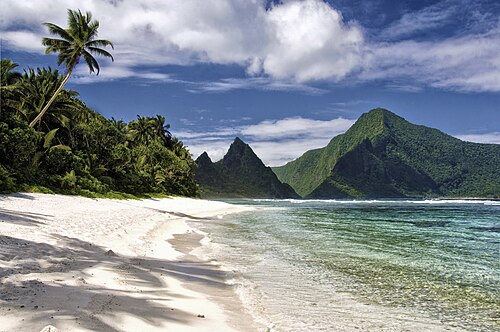
 American SamoaRainforest peaks, quiet reefs and traditional Samoan life
 SamoaWaterfalls, ocean trenches and traditional Polynesian life
 KiribatiRemote coral atolls on both sides of the date line
 TongaThe Pacific's last kingdom, with whales and quiet islands
_-_August_2016.jpg/500px-Naviti_island,_Yasawa,_Fiji_(1)_-_August_2016.jpg)
 FijiBula spirit, coral islands and soft white beaches
.jpg/500px-Landscape,_Tuvalu,_2011._Photo-_DFAT_(12779525995).jpg)
 TuvaluTiny coral atolls and a calm lagoon far from the crowds