


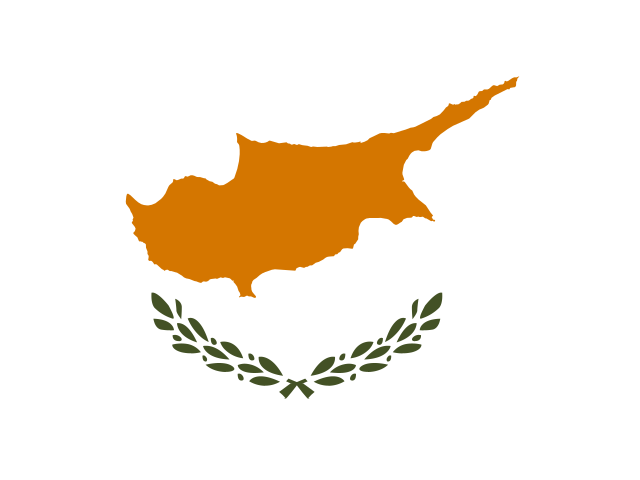
Cyprus📸 Photo album · 8 photos · Ultra-HD
Sunny Mediterranean island of myths, mosaics and meze
🕒 –:– local time3 stories this week2 sources 6 top placesCapital Nicosia
Cyprus, the third-largest island in the Mediterranean, has been inhabited for more than ten thousand years. Neolithic villagers built the round stone houses of Choirokoitia, and in the Bronze Age the island grew wealthy exporting copper – so famous that the metal may take its name from Cyprus. Mycenaean Greeks settled from around the 12th century BC, Phoenicians established trading towns, and the island became linked in legend with Aphrodite, said to have risen from the sea near Paphos.
Cyprus's strategic position meant it passed through many hands. Assyrians, Egyptians and Persians claimed it before Alexander the Great's successors and then Rome took control; the apostle Paul preached here, and Christianity took root early. Under Byzantium, painted mountain churches flourished. In 1191 Richard the Lionheart seized the island during the Crusades, and the French Lusignan dynasty ruled for three centuries, building Gothic cathedrals in Nicosia and Famagusta, before Venice took over and fortified its cities.
The Ottomans conquered Cyprus in 1571 and ruled for over three hundred years, adding mosques, caravanserais and a Turkish-speaking community alongside the Greek-speaking majority. Britain took over administration in 1878 and made it a colony in 1925. Cyprus became an independent republic in 1960. Intercommunal tensions followed, and since 1974 the island has been divided, with a UN buffer zone separating the south from the north, where crossing points now allow visitors to move between both sides.
Cyprus joined the European Union in 2004 and adopted the euro in 2008. For visitors, this long story is written everywhere: Roman mosaics at Paphos, frescoed churches in the Troodos Mountains, Crusader castles, Venetian walls and Ottoman baths, all set against sunny beaches, mountain villages and a warm culture of meze and hospitality.
Entry rules depend on your passport and change often.
Before you book, check the official rules for your passport:
The latest visa and entry news for Cyprus appears below as soon as publishers report it.
Hundreds of Travelers Affected Over Asia as Jakarta, Larnaca and 45 More Airports Cancel 235 and Delay 3,115 Flights Asia travel disruption hits 47 airports, with 3,115 delays and 235 cancellations affecting major hubs including…
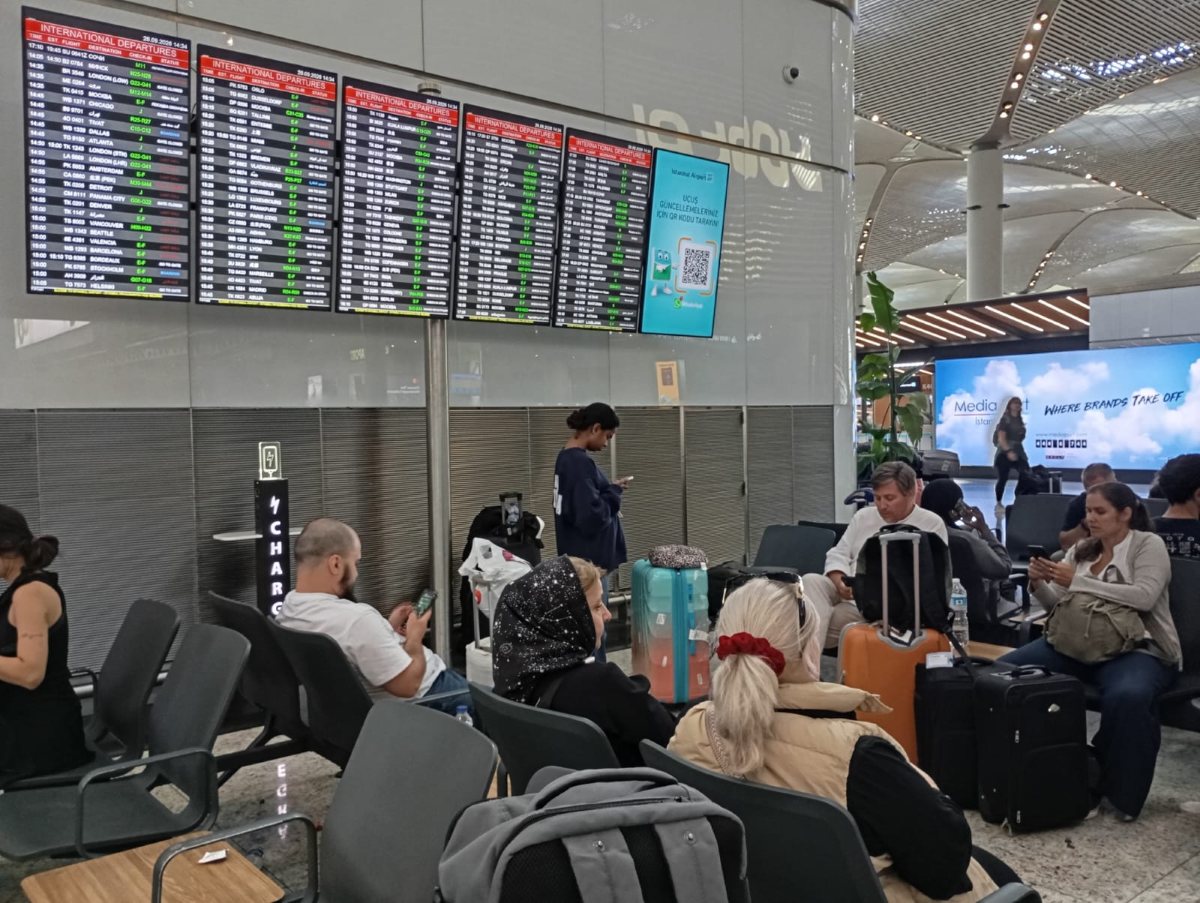 #Indonesia#Cyprus#Larnaca#Flights & Airlines
Set into a low wall, this mosaic looks at first like a study in ocean life: teal petals fanned out like sea anemones, iridescent glass discs catching the light like fish scales, a palette drawn straight from creatures of the…
 #Cyprus#Limassol#Destinations
Cyprus Makes October Feel Like Summer With 27°C Days Across Paphos, Ayia Napa, Larnaca and More: All You Need to Know Cyprus offers 27°C October days, 25°C seas and escapes across Paphos, Larnaca, Limassol, Ayia Napa, Nicosia and…
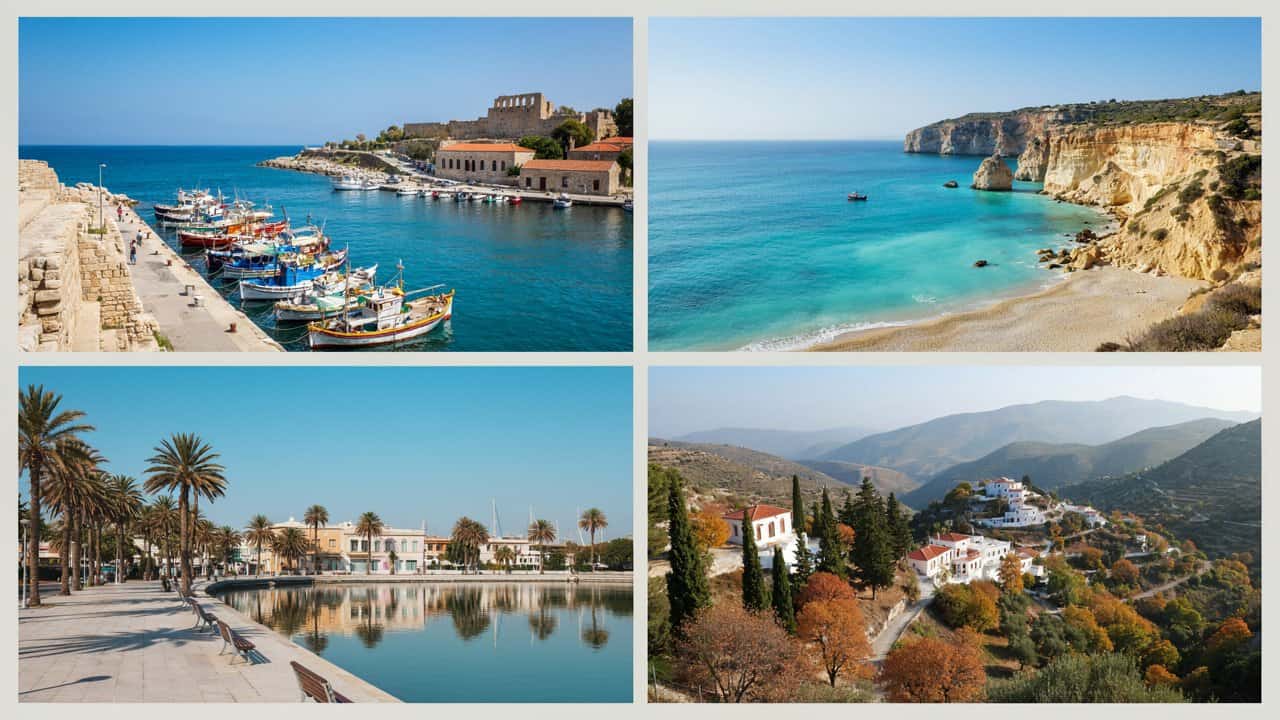 #Cyprus#Paphos#Ayia Napa#Larnaca
Cyprus has a Mediterranean climate with long, hot, dry summers and mild, short winters. The Troodos Mountains are much cooler and can get snow in winter, while Nicosia inland is the hottest place in summer.
Typical daytime highs and rain in Nicosia (approximate averages).
Day 1-2 Paphos for mosaics, tombs and Aphrodite's Rock. Day 3 the Troodos Mountains and painted churches, Day 4 Limassol and Kourion, Day 5 Nicosia across the Green Line.
Day 1-3 Paphos and the Akamas Peninsula, Day 4-5 Troodos villages and hiking. Day 6 Limassol, Day 7 Larnaca and the Zenobia, Day 8 Ayia Napa beaches, Day 9-10 Nicosia and Kyrenia in the north.
Backpacker budget: about $50–80 a day
Emergency: 112 or 199 police, fire & ambulance
Larnaca and Paphos international airports serve most visitors, with flights across Europe and the Middle East. Ferries and cruise ships call at Limassol.
✈️ Cheap flights to Cyprus: airports, flight times & best time to fly →
Yes, Cyprus is one of the safest destinations in Europe. Crime is low, and crossing between the north and south at official checkpoints is routine for most visitors.
April to June and September to October offer warm seas and pleasant temperatures. July and August are very hot but ideal for beach holidays.
Five days covers the highlights in the south. A week to ten days lets you explore the mountains, beaches and the north.
It depends on your passport. Check the official government site or embassy before you travel.
Greek and Turkish are the official languages, and English is widely spoken, especially in tourist areas.
Approximate daily cost per person (stay, food, local transport).
Renting a car is the easiest way to explore, and intercity buses link the main towns. There are no trains.
Nothing in this tab yet – the agents add new stories every few minutes.
🌏 You reached the start of our archive.

 LebanonAncient ruins, mountain cedars and Mediterranean food
.jpg/500px-Church_of_the_Nativity_(7703592746).jpg)
 PalestineAncient towns, olive groves and deep-rooted traditions

 TürkiyeWhere Europe meets Asia – bazaars, beaches and balloons
 IsraelBeach cities, desert fortresses and the salty Dead Sea
 SyriaAncient cities, Crusader castles and old souqs

 JordanRose-red Petra, desert camps and the Dead Sea
 EgyptPyramids, pharaohs' tombs and Red Sea reefs
 IraqCradle of civilisation, holy cities and ancient Mesopotamia